Stillbirth and Neonatal Deaths Research Scholarship
Dr Samuel Axford has been awarded the 2025 Stillbirth and Neonatal Deaths Research Scholarship for the project “Prediction of mortality and early developmental morbidity in infants born extremely preterm using machine learning techniques”.
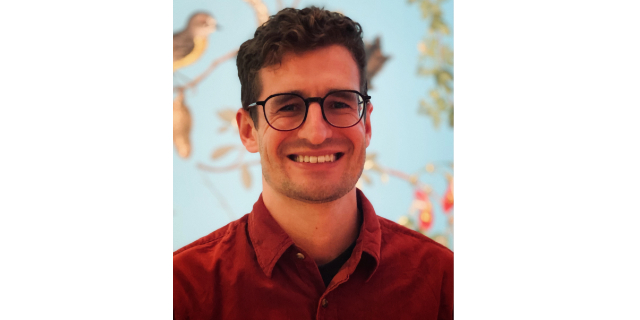
Pictured above Dr Samuel Axford
Dr Samuel Axford who is undertaking a PhD with Paediatrics has been awarded the 2025 Stillbirth and Neonatal Deaths Research Scholarship for the project “Prediction of mortality and early developmental morbidity in infants born extremely preterm using machine learning techniques”.
The most common cause of neonatal death worldwide is preterm birth and its complications and those born extremely preterm, before 28 weeks’ gestation, face the highest mortality rates, with more than 20% dying before two years of age.
Those that survive face far higher rates of neurodevelopmental morbidity, with 1 in 5 extremely preterm children developing major neurodevelopmental disability (significant problems with thinking, talking, walking, hearing or seeing) at two years of age, in contrast to 1-in-30 children born full-term.
This project aims to improve prediction of mortality and early neurodevelopmental morbidity in extremely preterm infants using information that is available antenatally, at the time of birth and during the neonatal intensive care unit (NICU) admission. Currently families facing extreme preterm birth receive counselling that is based on population level statistics, this often lacks the nuance of individual characteristics and there is evidence more pessimistic predictions than reality are often provided. Early decision making around continuing survival-focused care in extreme prematurity is intrinsically tied to the anticipated neurodevelopmental morbidity risk, so it is paramount that the any prediction communicated is of high quality and individualised. For NICU survivors, earlier detection of delayed development allows for early developmental intervention, which can improve their longer-term outcome.
Machine learning models can learn the complex patterns between factors contributing to increased probability of an outcome. Several international research groups have published evidence of machine learning model predictive performance that exceeds current, often more resource intensive, methods.
Unfortunately, internationally developed neonatal prediction models have not translated well to the Australian context and a machine learning approach to neonatal prediction is yet to be developed in Australia. This project aims to fill that gap by developing and validating machine learning models to predict mortality and early developmental morbidity in extremely preterm neonates using local data.
The Stillbirth and Neonatal Deaths Research Scholarship is a Graduate Research Student scholarship awarded for research into stillbirth and neonatal death and disease conducted at the Royal Women’s Hospital research precinct, both for the hospital and for the University of Melbourne’s Department of Obstetrics, Gynaecology and Newborn Health (OGN), Melbourne Medical School.
As the trust was established at a time when medical interventions and risk of infant mortality and morbidity was a lot higher than it is today, research related to improving outcomes of infants at high risk; i.e., infants born pre-term, is regarded relevant in these medically advanced times and in the spirit of the gift.
The scholarship is awarded from time to time, as the gift allows, to a Graduate of any University in medicine and surgery, having received an offer, or being currently enrolled, as a GR student (PhD or MPhil) conducting their research project at the Royal Women’s Hospital.
The scholarship is funded from an original trust deed that was established in 1937 with generous donations made to the then King’s Jubilee Fund. The funds were previously held by the City of Melbourne and the Lord Mayor before being transferred to the University of Melbourne in October 2020.