Preparing Future Doctors for a Changing Healthcare Landscape
How do we prepare future doctors for a healthcare landscape increasingly shaped by technology, innovation, data science and artificial intelligence?
This question was at the heart of the Melbourne Medical School’s annual Symposium in July, bringing together colleagues from across the Faculty of Medicine, Dentistry and Health Sciences and Faculty of Engineering and Information Technology, alongside government, health services and medical research institute partners and, of course, our students.
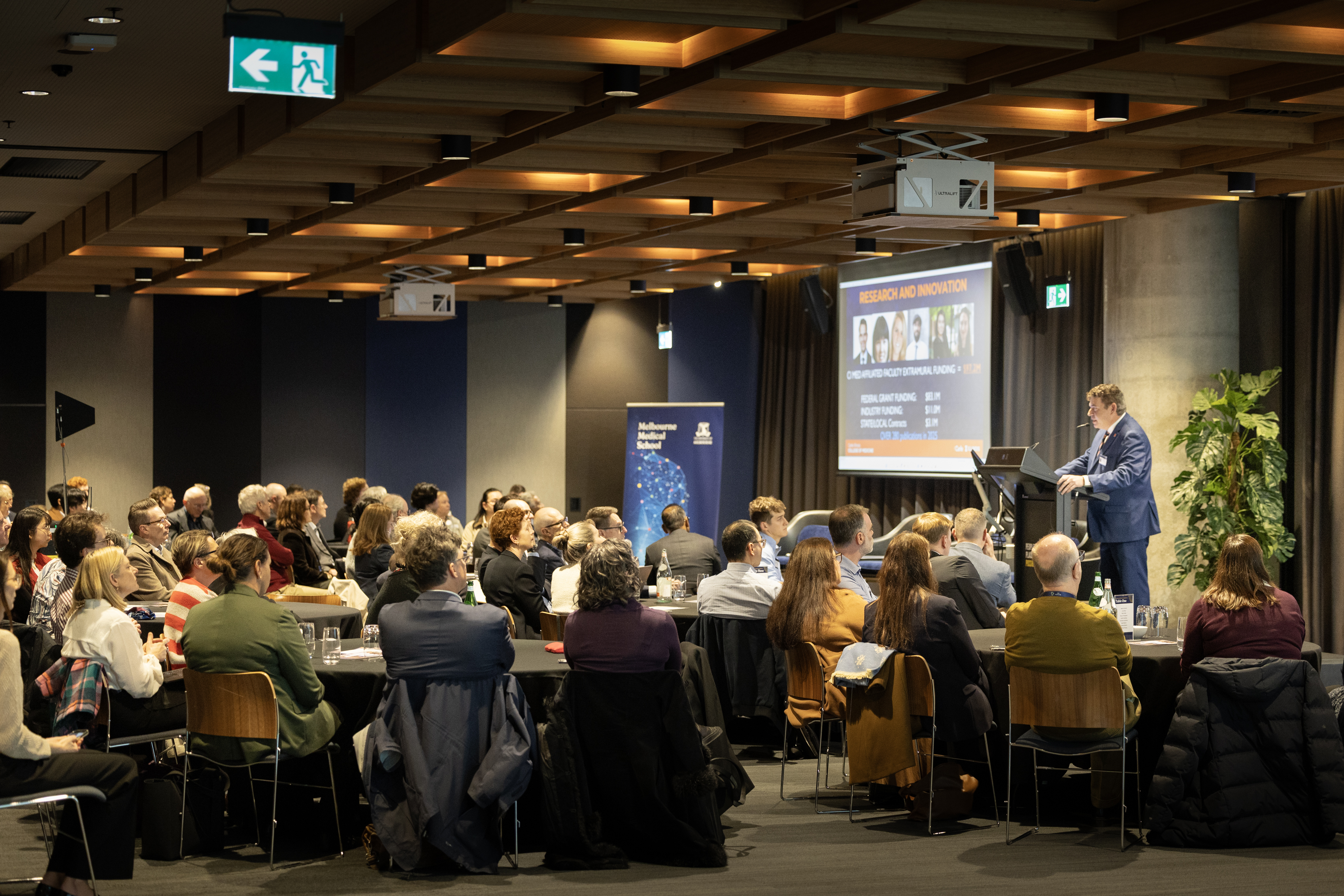
Keynote speaker Dr Mark Cohen, Dean of Carle Illinois College of Medicine at the University of Illinois Urbana-Champaign - the world’s first engineering-based medical school, shared a model where medicine, engineering and design thinking are embedded throughout medical education. His experience prompted discussion about how future doctors can work with emerging technologies, identify unmet needs and contribute to innovation in healthcare.
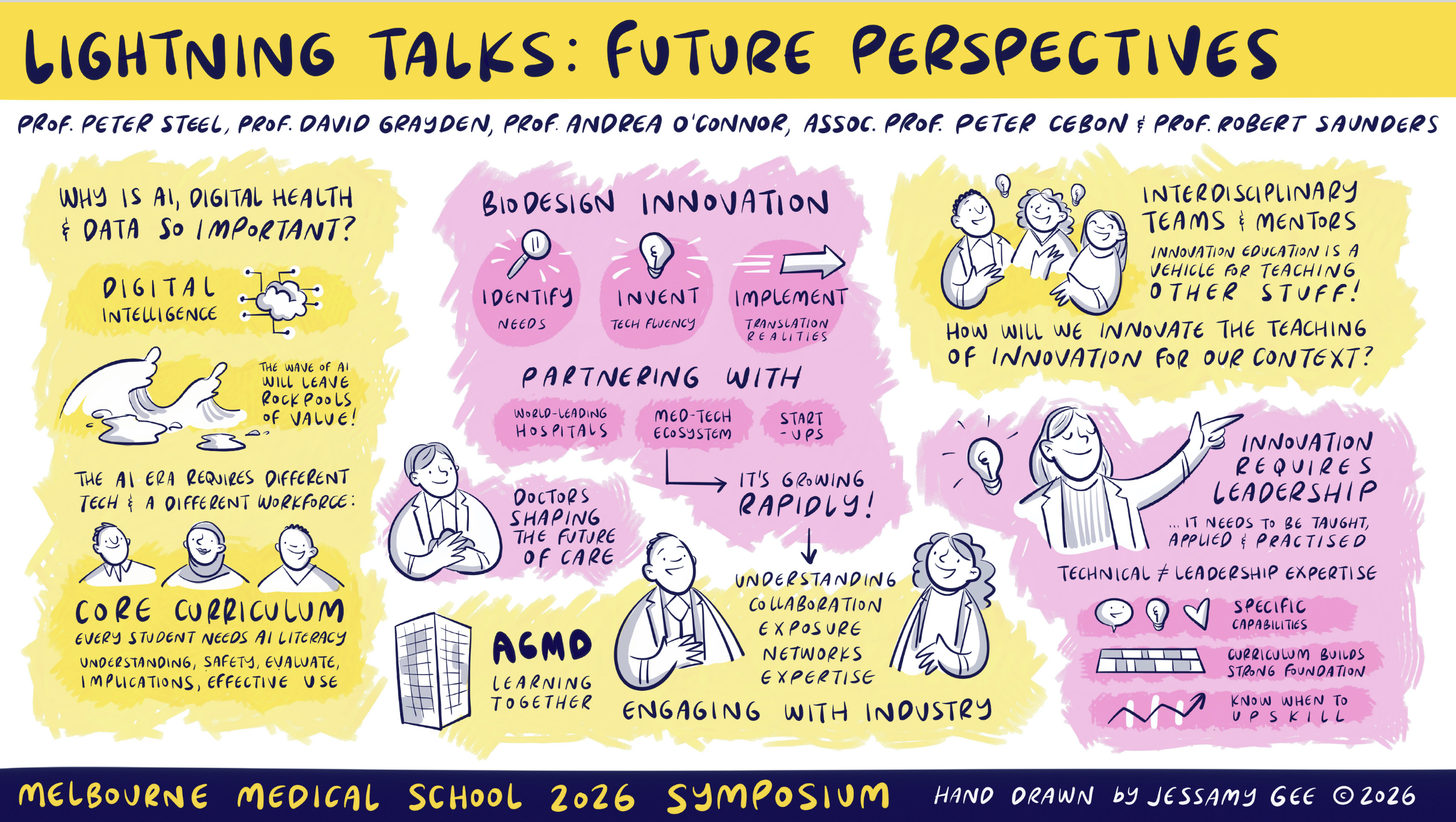
A series of lightning talks explored AI and digital health, biomedical engineering, innovation and commercialisation, and transformative leadership - highlighting just how broad the capabilities of tomorrow’s medical workforce may need to be.
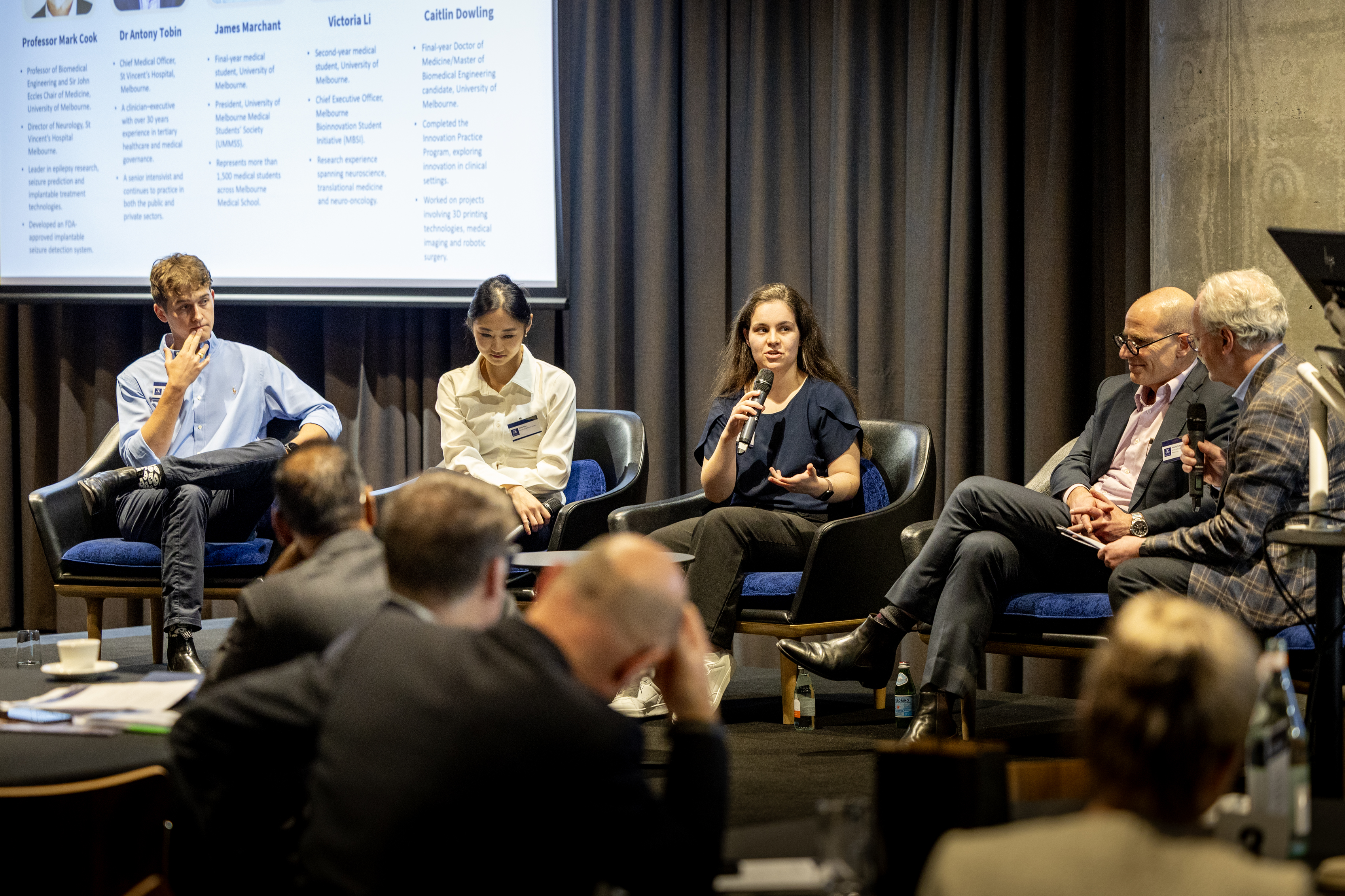
These ideas were explored further by a panel of students who are themselves leading in innovation, clinicians, medical educators and health service leaders, touching on interdisciplinary learning, mentorship and hands-on opportunities, while considering how innovation can remain grounded in genuine clinical needs.
The Symposium concluded with a table discussion led by Professor Anna Ryan, which identified several key priorities for the future of medical education. These include developing core AI literacy for all Doctor of Medicine (MD) students, exploring a new Med-Tech / Innovation Scholar pathway alongside our existing Clinical and Research Scholar pathways, and strengthening the intercalated MD/Master of Biomedical Engineering pathway to create greater opportunities at the intersection of medicine, engineering and innovation.
As healthcare continues to evolve, so will the capabilities expected of doctors. The Symposium has given us a valuable foundation for thinking about how our MD can evolve with it - and how we can prepare our students to contribute to what comes next. The necessary work in response to the ideas generated at the Symposium is underway.