Assessment of existing early risk detection tools for pancreatic cancer used in primary care
Project Details
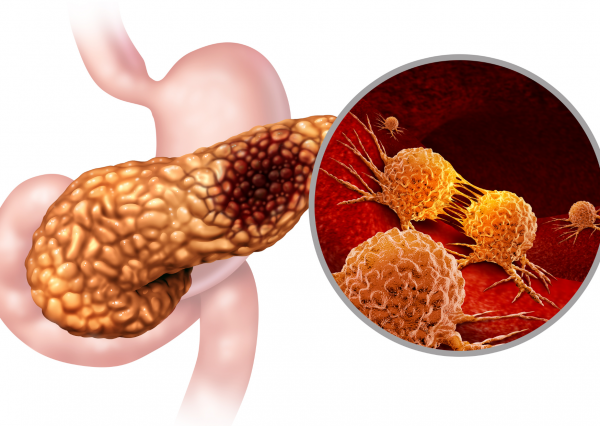
Pancreatic cancer has one of the lowest survival rates due to its frequent late-stage diagnosis, making early detection critical. To aid in identifying underlying pancreatic cancer in primary care, several tools and guidelines have been developed. Three of these tools have been selected for testing in the Australian primary care context. Two of the tools, eRAT and QCancer, were developed and integrated into clinical systems in the UK, while QPaC is an Australian guideline for practitioners.
This study evaluates the three tools/guidelines by applying them to a symptomatic cohort identified through general practitioner encounter notes in Victoria. Their predictive values are assessed and compared to determine their suitability for implementation in general practice in Australia.
This projects will assess existing early risk detection tools for pancreatic cancer used in primary care.
Patron ID: PAT1032_9
Project Lead: Dr Sibel Saya
RESULTS:
Pancreatic cancer is often diagnosed at an advanced stage with poor survival. Risk assessment tools have therefore been developed to aid early diagnosis of pancreatic cancer in primary care settings (QCancer®, electronic Risk Assessment Tool (eRAT), and QPaC Tool) using selected symptoms at presentation in general practice. This study aimed to validate these tools within the Australian setting using linked primary care and cancer registry data provided through the Centre of Victorian Data Linkage and PATRON.
We found that pancreatic cancer patients were more likely (p<0.001) to present with new-onset diabetes, jaundice and unexpected weight loss than patients without pancreatic cancer and commonly presented with jaundice (29.0%), abdominal pain (25.6%), change in bowel habit (17.6%) and new-onset diabetes (14.8%). Jaundice, steatorrhoea and pancreatitis had the highest positive predictive values (PPV) for pancreatic cancer (1.96%, 1.77% and 0.89%, respectively). Among the tools, eRAT had the highest PPV (1.37%, 95% CI: 1.12, 1.66); followed by QPaC (1.01%, 95% CI: 0.82, 1.22) and QCancer® (0.8%, 95% CI: 0.54, 1.15).
In summary, none of the tools were strongly predictive of pancreatic cancer when applied to Australian primary care data. New diagnostic models incorporating additional patient health data could potentially improve their predictive performance.