About Us
Using genomics to guide the clinical management of rare and diagnostically challenging cancers.
Rare and less common cancers present significant challenges for diagnosis and treatment and have lower survival rates than other cancer types. Comprehensive genomic testing is improving the outlook for these patients, with the potential to help resolve diagnostic ambiguity and guide precision treatments for meaningful clinical impact.
The Rare Disease Oncogenomics (RADIO) Lab leads national and international studies to develop and implement new translational and clinical genomics methods for patients with these incurable rare cancers. By analysing cancer genomes, the team is discovering new biology of these cancers while also developing and applying DNA technology to help resolve the likely primary origin of a tumour and inform personalised treatment.
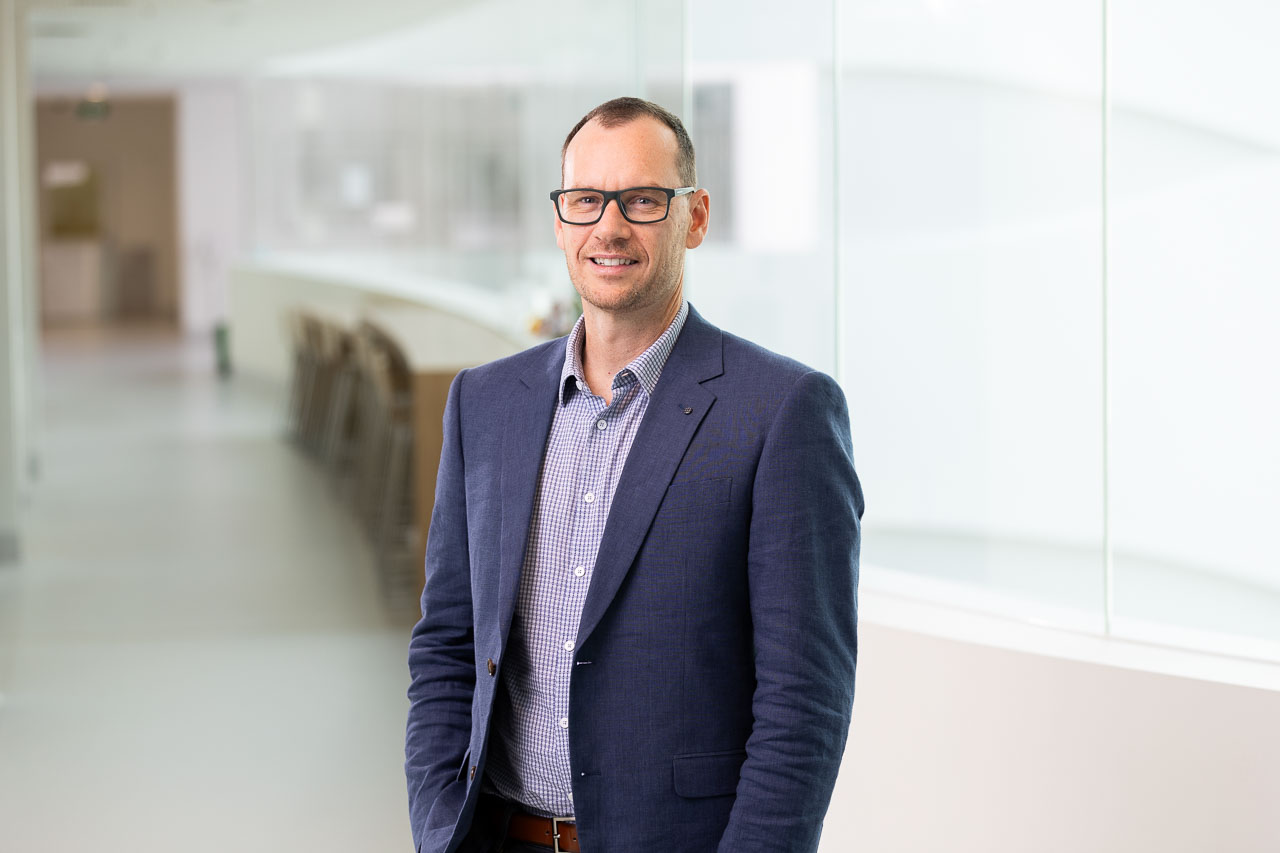
Associate Professor Richard Tothill leads the Rare Disease Oncogenomics (RADIO) Laboratory within the Collaborative Centre for Genomics Cancer Medicine and University of Melbourne Department of Clinical Pathology. His research involves understanding the genomic pathology of rare cancers, developing diagnostic methods and implementation clinical genomics for precision medicine.
Associate Professor Tothill has been an early adopter of genomic technologies including next-generation DNA sequencing and bulk and single-cell gene-expression profiling methods. He is the translational lead of the national Solving Unknown Primary Cancer (SUPER) program involving the deployment of clinical whole-genome sequencing and the development of liquid biopsy methods for patients with cancer of unknown primary. He also leads a NET translational genomics working group affiliated with the Peter Mac ENETs Centre of Excellence.