Newsletter | Issue 1 | 2026
Welcome from the Head of Department
Dear Colleagues,
Welcome to our first newsletter for 2026. Before we being, I want to acknowledge the recent distressing events occurring in the Middle East. Our thoughts go out to all our primary care community affected.
We have a long department newsletter this edition with many new members to welcome. I would like to introduce everyone. Natalie White has joined us as the Program Manager for the Transform Project. Natalie brings extensive experience in designing, implementing, and evaluating large-scale health, education and social care systems and will be responsible for end-to-end coordination of the project.
Melissa Zanlungi is our new subject coordinator for the graduate certificate in primary care nursing. Melissa is a nurse practitioner with over 10 years’ experience in primary care and paediatric haematology and oncology. Melissa will be taking over from Tracy Murphy, who has joined this year’s graduate researcher cohort to undertake research on the role of nurse practitioners in primary care.
Tracy is joined by two additional graduate researchers, Nida Anees and Dr Emily Thrower. Nida has a background in public and refugee health, law and family violence. Her research will look at Afghan women’s narratives of coercion and abuse. Having completed last year with us as an Academic GP Registrar, Emily will continue her research journey by investigating the acceptability of a shared care model for initiating gender affirming hormone therapy in primary care settings.
This year we also have three new Academic GP Registrars. Dr Meryl Thomas, who will be investigating the prevalence and associations of hair loss disorders, Dr Kirthana Ketheeswaran who will be conducting a five-year follow-up of the CRISP trial, which assessed bowel cancer risk in general practice and Dr Stephanie Ivezic who will be undertaking a qualitive study of the impact of MyMedicare and blended funding on clinical practice. And finally, I extend a warm welcome to our 12 new honours students, the largest ever cohort of honours students hosted by our Department.
Many of you will be aware that A/Prof Phyllis Lau, a dear colleague and long-term member of our Department, passed away in November of last year. A memorial event was held in early February to recognise and celebrate Phyllis’s academic achievements and research impact, and to share this with her family. Phyllis was a force, full of energy, passion and determination to progress primary care research. She was involved in a great many projects spanning health service delivery, Indigenous Health, cultural sensitivity in health communication, interprofessional collaboration in care and research, and chronic disease and management. She will be missed but her impact will continue to be felt for many years to come.
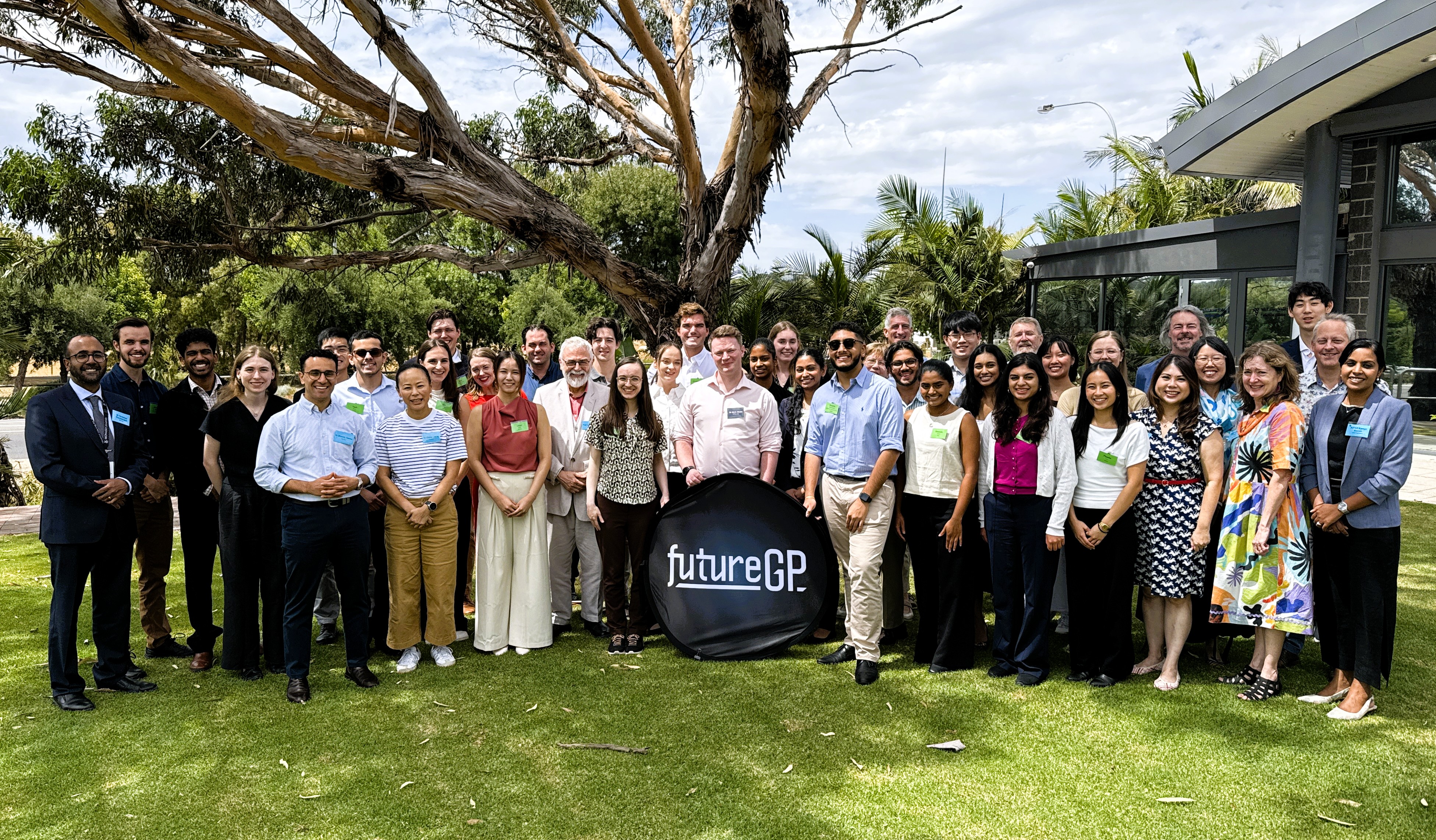
Inside this newsletter, you will find some highlights from the inaugural General Practice Registrars Australia (GPRA) President Roundtable with the Heads of Departments from medical schools across Australia. The roundtable discussed the future of general practice education and research, partnerships with supervisor, collaborations with the GP student club networks and ways for strengthening vertical integration across the training pipeline.
The ALIVE National Centre has been actively shaping the way mental health research is conducted and translated in Australia for the past four years, positively impacting and making real change in the lives of people with lived-experience, carers and family members. Their next big venture is the five-year, MRFF funded Whose Care? Our Care? project that is set to kick off in mid-March and will run until 2030. The team have created an engaging visual impact story that shares perspectives from Centre partners and members on the past, present and future focus of The ALIVE Centre. I recommend taking a look.
Other articles from our research in this edition include: the evaluation of a clinical decision support system to aid early detection of pancreatic cancer; advice on where to find and how to use the latest Patron resources; a linked data study that shows higher PSA levels and disease severity in rural Victorians compared to their metro counterparts; opportunities to be involved in the latest research projects and more. Happy reading.
Warm regards,
Lena