The missing cancers in our community
The COVID-19 pandemic has had an unfortunate impact on many areas of healthcare, including significantly reducing cancer screening rates across Victoria. The Cancer Council of Victoria estimates that a staggering 5,000 cancers went undiagnosed in 2023 alone due to screening disruptions caused by the pandemic. If this trend continues unchecked, that number could skyrocket to 40,000 missed cancer diagnoses by 2030.
These lapses in cancer screening will undoubtedly put enormous strain on primary care and tertiary health services in the coming years as more cancers progress undetected. Of particular concern is the rising rates of liver cancer, which is now the fastest-growing cause of cancer deaths in Victoria.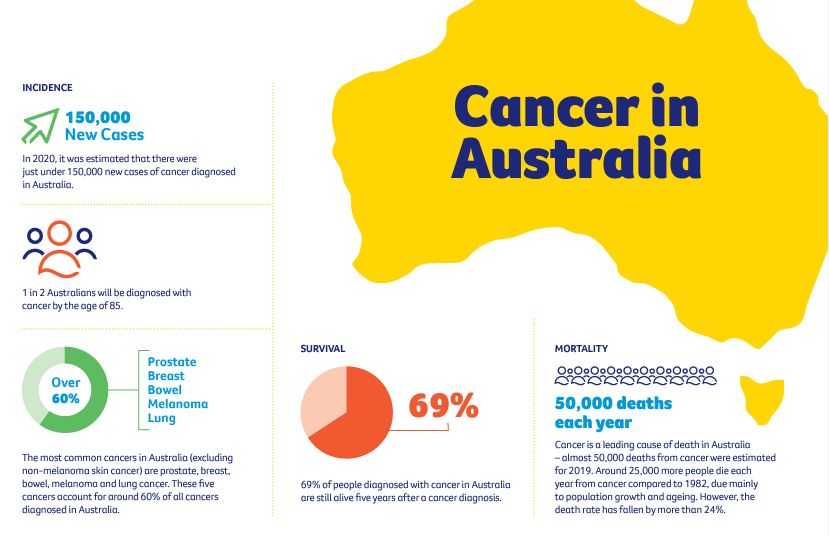
The most common risk factor for liver cancer is long-term infections of hepatitis B or hepatitis C. Almost 60% of all liver cancers across the world are caused by hepatitis B.
Other risk include:
- fatty liver disease or genetic disorders including haemochromatosis, or alpha 1-antitrypsin deficiency
- type 2 diabetes
- alcohol consumption
- obesity
- tobacco smoking
- exposure to certain chemicals such as aflatoxin.
To address this looming public health crisis, the Cancer Council Victoria (CCV) is reaching out to research institutions, teaching practices and healthcare providers to drive home the critical importance of actively targeting at-risk populations for screening.
You can find more information on liver cancer risk and hepatitis B screening on the CCV dedicated website: http://www.cancervic.org.au/cancer-information/screening/hep-b-liver-cancer.
With up to 40,000 cancers projected to go undiagnosed in Victoria by 2030 if screening rates don't rebound, the impacts on health service delivery and resource management could be catastrophic. To assist general practices in promoting early cancer detection, CCV offers many helpful resources at https://www.cancervic.org.au
General practices play a vital role in facilitating cancer screening programs and providing patients and families with information to encourage early detection. The earlier cancer is found, the better the chances of successful treatment and survival. Don't let COVID delays lead to missed cancers - get screened today.