The PRECeDe Trial
We are investigating whether giving 2 corticosteroid injections to women with diabetes during the week before a planned Caesarean section can help to reduce the risk of breathing problems in their newborn babies.
What is the PRECeDe Trial?
We are undertaking the PRECeDe Trial to find out whether giving pregnant women with diabetes corticosteroid injections before having a planned Caesarean section at 35+0–39+6 weeks of pregnancy will safely reduce the risk of short-term breathing problems for their babies. This trial will include over 2,200 mothers and their babies. You can read about the trial in different languages at this link: Trial information in other languages.
Why is the PRECeDe Trial important?
When babies are born by Caesarean section before labour starts, they are more likely to have short-term breathing problems compared to babies born vaginally or by Caesarean section after labour has started. Babies born to mothers with diabetes during their pregnancy are also more likely to have these breathing problems compared to babies born to mothers without diabetes during pregnancy.
We're investigating whether corticosteroid injections given to women with diabetes during the week before a planned Caesarean section can help reduce the risk of breathing problems in the baby. We think that corticosteroids may halve the risk of breathing problems in babies who are born by Caesarean section to women who have diabetes during pregnancy. If this is shown to be safe and effective, it may decrease the number of babies needing breathing support and nursery admission.
Who can take part in the PRECeDe Trial?
The PRECeDe Trial will be conducted at over 20 hospitals across Australia and New Zealand. Check whether your hospital is participating in the List of participating hospitals.
The PRECeDe Trial may be suitable for you if you will be giving birth by planned Caesarean section from 35+0–39+6 weeks gestation; have diabetes during pregnancy (gestational or Type 1 or Type 2 diabetes); are pregnant with one baby or twins; and are able to receive two doses of the study medication between 24 hours and 7 days before your planned Caesarean birth.
This study may not be suitable if you have already received corticosteroid injections during your pregnancy, or if your pregnancy has other complications.
What is involved in the PRECeDe Trial?
Participation in this study is voluntary. If you are interested in taking part, you will be provided a Participant Information Sheet & Consent Form to read. If you agree to take part in this research trial, you will:
- read and sign a consent form.
- receive two injections 24 hours apart in the week before your planned Caesarean section. This will be either a corticosteroid (betamethasone) or placebo (saline, or salt water). You and your doctors will not know which medication is being given.
- monitor your blood sugars very closely after the injections until the day of your Caesarean section.
- follow the advice provided to you if your blood sugars get too high, so that your insulin doses can be adjusted.
- complete questionnaires prior to your planned Caesarean section and 6 weeks after birth.
What is involved for my baby?
Your baby will be monitored in the same way that all babies born to mothers with diabetes are monitored. Information about your baby or babies will be collected until 6 weeks after birth. We will ask to contact you from time to time until your child reaches 8 years of age.
Are there any risks?
Corticosteroids can sometimes make your blood sugars go higher, which might mean that you need to take some extra insulin to adjust for this. You will need to monitor your blood sugar levels very closely if you take part in this trial. We will ask you to measure your blood sugars before each meal and 2 hours after each meal, and enter the results of each blood sugar level into a web-based diary.
Low blood sugar levels (hypoglycaemia) are common in babies who are born to women with diabetes (regardless of whether they are born vaginally or by Caesarean section). Corticosteroid use may alter the chance of a baby having low blood sugars after birth. All babies born to mothers with diabetes will have their blood sugar levels tested after birth and they will receive treatment if necessary. Low blood sugars can be treated by giving the baby extra feeds (breast milk or formula) or sugar gel. Sometimes, an injection or glucose 'drip' is required.
Who is organising the trial?
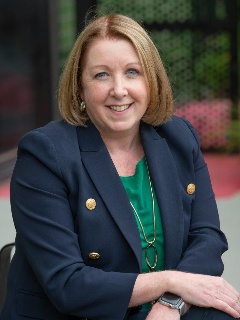
The PRECeDe Trial is led by Professor Joanne Said (pictured right), a researcher at the University of Melbourne and the Head of Maternal Fetal Medicine at the Joan Kirner Women's and Children's Hospital. She is a passionate advocate of improving the health and wellbeing of Australian mothers and their babies through effective clinical trials research. Joanne's work focuses on the prevention and treatment of major pregnancy complications such as fetal growth restriction, thrombophilia, and pre-eclampsia. Joanne is supported by a team of clinical research coordinators, administrators, and healthcare professionals. You can find out more about Joanne here.
Who is funding the trial?
The PRECeDe Trial is funded by a grant from the National Health and Medical Research Council, Australia and is sponsored by the University of Melbourne.

Participant experiences
The PRECeDe Pilot Study
In developing the PRECeDe Trial, we conducted a pilot study at Joan Kirner Women's & Children's Hospital, Melbourne. The pilot study had the same inclusion criteria and trial procedures, and we asked women to share their experience in a follow-up survey after birth. All our participants confirmed they found the trial highly acceptable and an important topic to study.
Contact us
To see the latest updates, visit our Facebook page or Twitter account.
To contact the PRECeDe team, email precede-trial@unimelb.edu.au.
Australia & New Zealand Clinical Trials Registration: ACTRN12623000015640