Rural Medicine Australia 2024 Conference | blog post by Chantelle Takos
"Your health shouldn’t be defined by your postcode," said Senator Hon Anne Ruston, and yet, for many Australians, it still is. Approximately 28% of the Australian population lives in rural or remote areas according to the Australian Bureau of Statistics (2024) - equating to roughly 7 million Australians. These 7 million Australians face shorter life expectancies, increased hospital admissions and higher rates of disease compared to their urban counterparts.
Why is this? Although a major contributor is poorer access to health services, many other factors are at play such as limited educational and employment opportunities, lifestyle differences, and a reduced willingness to seek medical care. Addressing this inequity is deeply important to me, as I have witnessed its profound impact on those around me.
To better understand the challenges of improving health outcomes in rural and remote Australia, I was fortunate to be sponsored by the University of Melbourne Rural Health Department and the GV Regional Training Hub to attend the Rural Medicine Australia (RMA) 2024 Conference in Garramilla (Darwin). Without the university’s support, I wouldn’t have been able to afford such a trip.
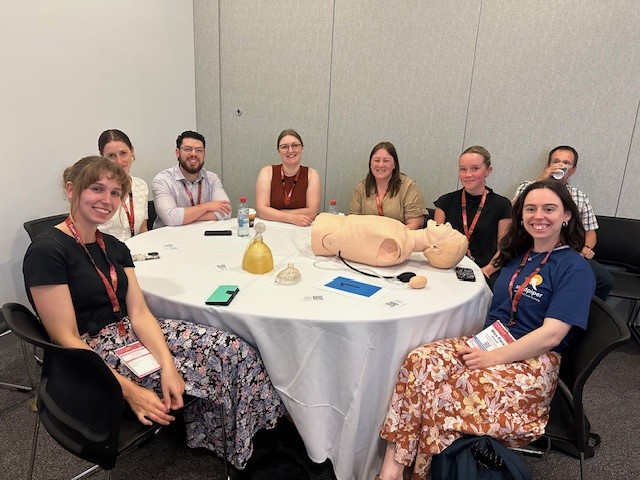
Here’s a snapshot into what I learned;
- The Larrakia people, the traditional custodians of the land surrounding Darwin Harbour, hold a deep and enduring connection to both the land and the sea. Their belief that the spirit of the land resides within the water serves as a poignant reminder of the profound relationship between the region's people and its natural environment.
- Tyson Carmody of King's Narrative is changing the narrative for Aboriginal men in Alice Springs using culture and connection immersion programs to deliver therapeutic healing and counselling. I hope Tyson’s work inspires other First Nations led initiatives across Australia.
- While most of us in the health field are familiar with micro-pathogens, but I will now be referring to snakes, crocodiles and spiders as macro-pathogens.
- The emerging field of extreme medicine, where doctors work in active war zones and other high-risk environments - is thought to be influenced by the DRD4-7R gene, which is associated with a heightened sense of adventure and a propensity for thrill-seeking.
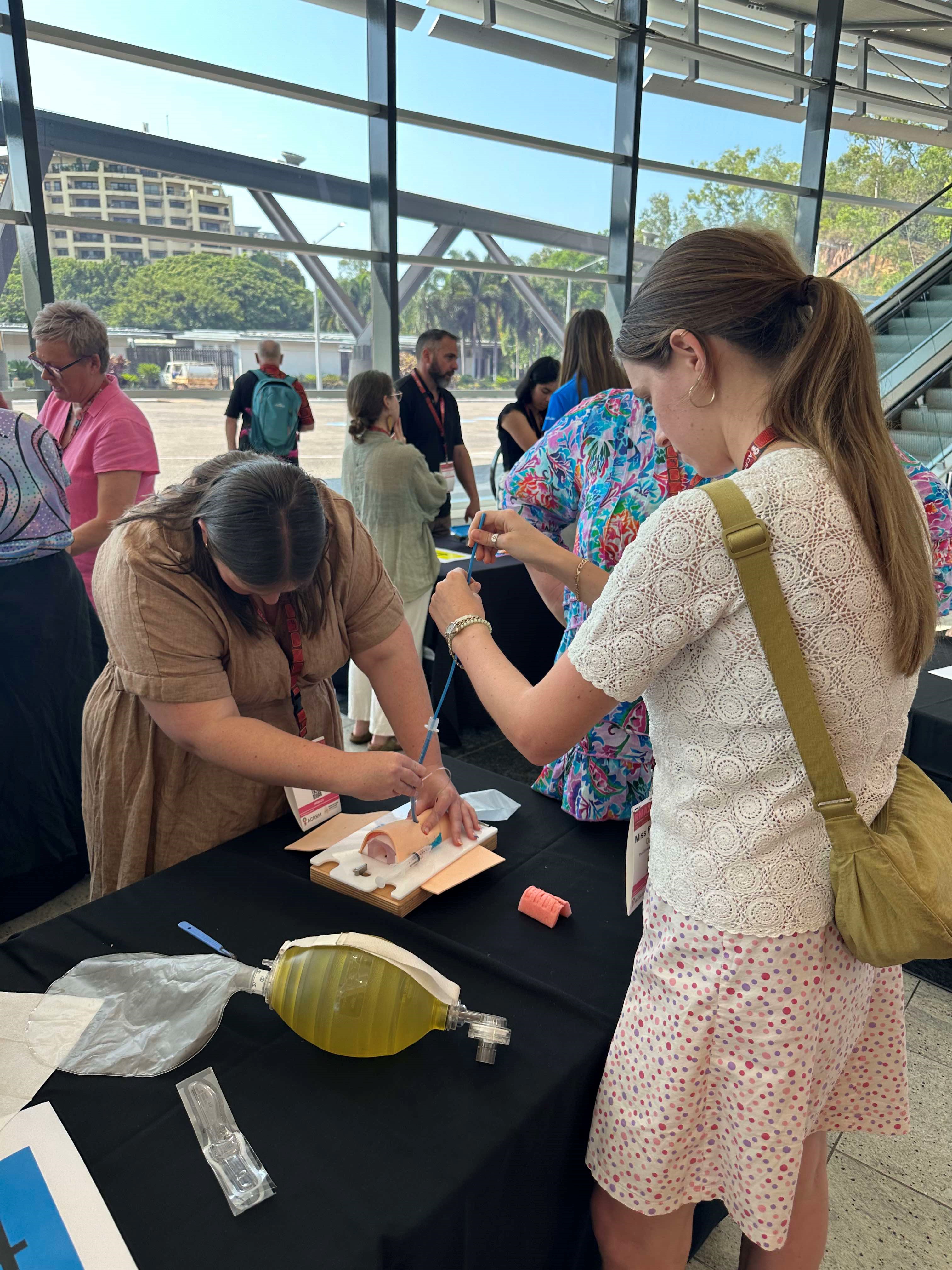
- Learnt and practiced vital skills in an anaesthetic workshop on LMA’s, intubation, and front-of-neck access.
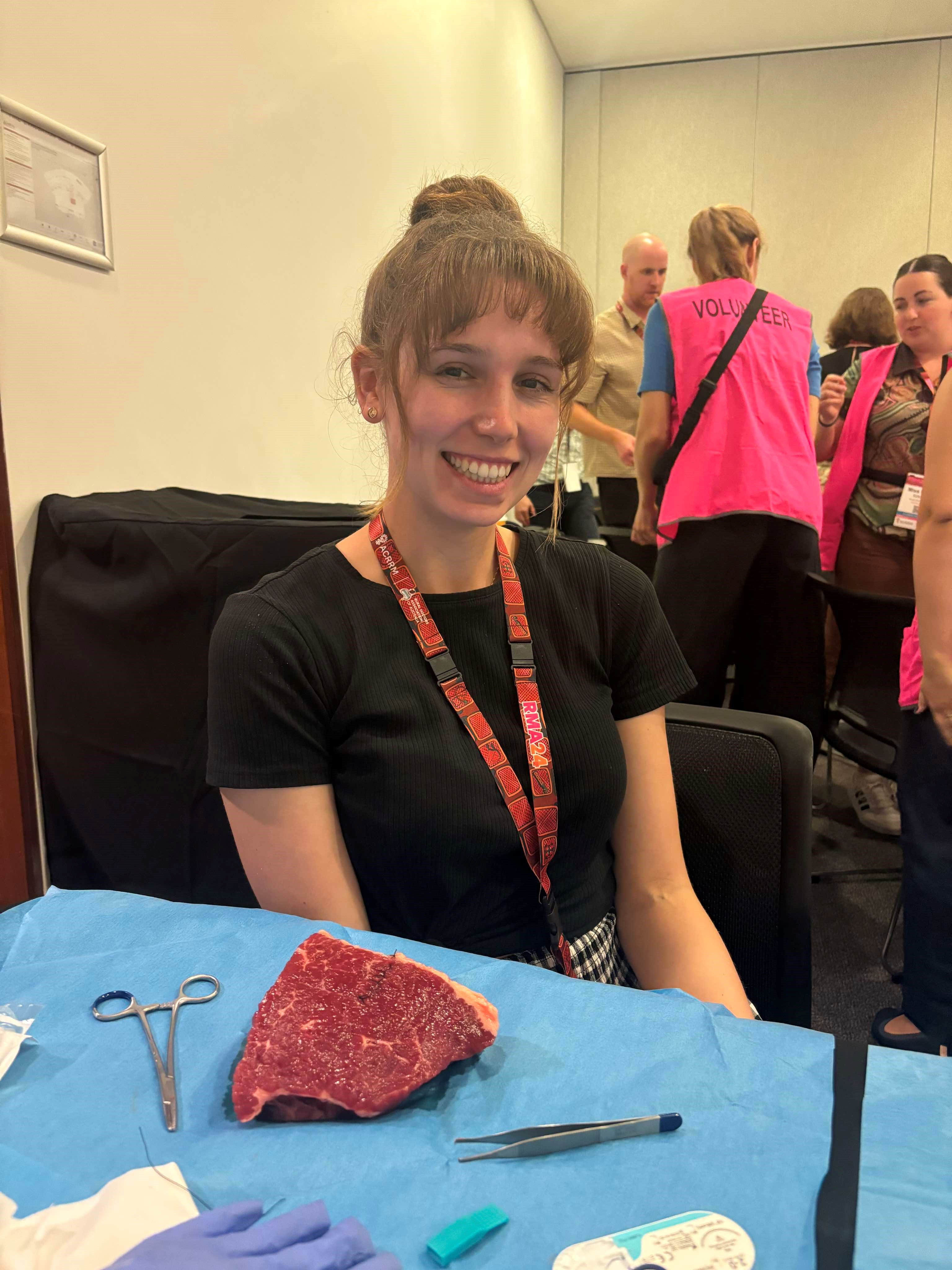
- Dr. John Hall, a rural generalist obstetrician, shared fascinating (and scary) stories about giving birth in the bush, and we practiced episiotomy repairs—on a piece of silverside.
- The Royal Flying Doctors Museum - The RFDS operates in some of the most remote regions of Australia, covering approximately 7.7 million square kilometres—that's about 80% of the Australian mainland!
- Rheumatic heart disease accounts for 10% of cardiovascular deaths each year, often affecting young people, yet it is entirely preventable. Don’t just think of untreated ‘strep throat’ as a cause, but also long-term untreated impetigo. Regardless of where you practice medicine, it should be on everyone’s radar.
- A trip to Crocosaurus Cove (sponsored by GPSN) taught me that crocodiles and ex-boyfriend share more similarities than I expected.
- The second- best place to make connections, aside from the convention centre, was the hotel pool.
Jokes aside, I often found myself overwhelmed by the immense disparities in rural healthcare. How could I, just one medical student, make a meaningful difference in tackling such a significant issue? Attending this conference and speaking with inspiring doctors working in the bush gave me a new perspective. I realized that expecting to solve these problems alone is not only unrealistic but also unnecessary. Improving health outcomes for rural and remote populations requires the collaboration of politicians, allied health professionals, educators, and countless others.
By gaining experience through rural placements, educating myself on these issues, and actively engaging in the conversation, I am already contributing to meaningful change. Each step builds the knowledge and skills needed to shape a better future for these communities.
The truth is, unless you've worked or completed placements in rural or remote settings, it's hard to truly grasp the challenges faced by the 7 million Australians living in these areas. Without this understanding, it’s difficult to provide the effective, empathetic care they deserve.
If you're studying for or working in a healthcare career, I strongly encourage you to seize the opportunity to go rural. Not only is it an incredibly rewarding experience, but it’s also essential to delivering holistic care to all Australians.
Australian Institute of Health and Welfare. (2024). Rural and remote health. Retrieved from https://www.aihw.gov.au/reports/rural-remote-australians/rural-and-remote-health
More Information
Department Rural Health Marketing and Events team