About Us
Welcome to the Department of Surgery at The University of Melbourne. This is your go-to place for information about our department and an inside look at the exciting developments across our seven precincts. Stay connected to learn more about our us!
The Royal Melbourne Hospital
Message from Professor Christobel Saunders AO
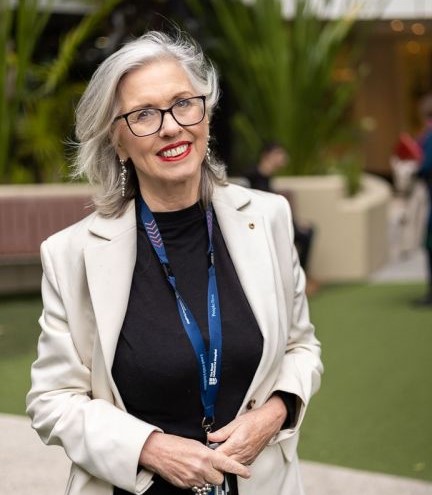 The Royal Melbourne Hospital Department of Surgery, along with academic surgery at PeterMac, is delivering impactful research and leadership nationally and internationally as well as maintaining a strong and growing international reputation for education and training.
Our researchers, including a great cohort of graduate research students, are active in many areas of medical research but just to highlight a few:
- In neurosurgery we are undertaking novel discovery research in tumour single cell mapping, tumour pathways and tumour micro-environment.
- Clinical research includes a large epidemiological survey of brain metastases internationally and trials including a novel treatment of low grade gliomas.
- The Brain Tumour Online platform has now reached over 2000 people and has just received more funding to update and start to expand to brain metastases.
The urology group are progressing well with both clinical trials, genomically informed testing and fundamental research into drivers of metastasis.
The breast cancer research group are pursuing projects introducing PROMs and value based healthcare into practice, as well as developing patient support for those affected by brain metastases, and have published results of a number of large clinical trials already impacting management nationally and internationally.
The cardiac surgery research group is successfully leading and recruiting to large international trials including surgical and perioperative management.
Our many honorary staff continue to be very active in research including plastic surgery, ophthalmology, and breast surgery (to name just some!) with some notable trials including in de-escalation of breast radiotherapy and enhanced recovery after head and neck surgery.
Our educational portfolio in clinical ultrasound is very strong and the group have expanded to now offer teaching of courses to over 1500 participants this year. With the International Medical Robotics Academy our staff are leading nationally in robotic education and education research.
Our surgeons also demonstrate exceptional national and international leadership, many leading their professional societies and undertaking editorial duties for specialist journals. Also this year, Dr Helen Mohan has been elected to the RACS Council and I have been fortunate to be elected Honorary Fellow of the American Surgical Association.
Otolaryngology
The Royal Victorian Eye and Ear Hospital
Message from Prof Stephen O’Leary, William Gibson Chair of Otolaryngology
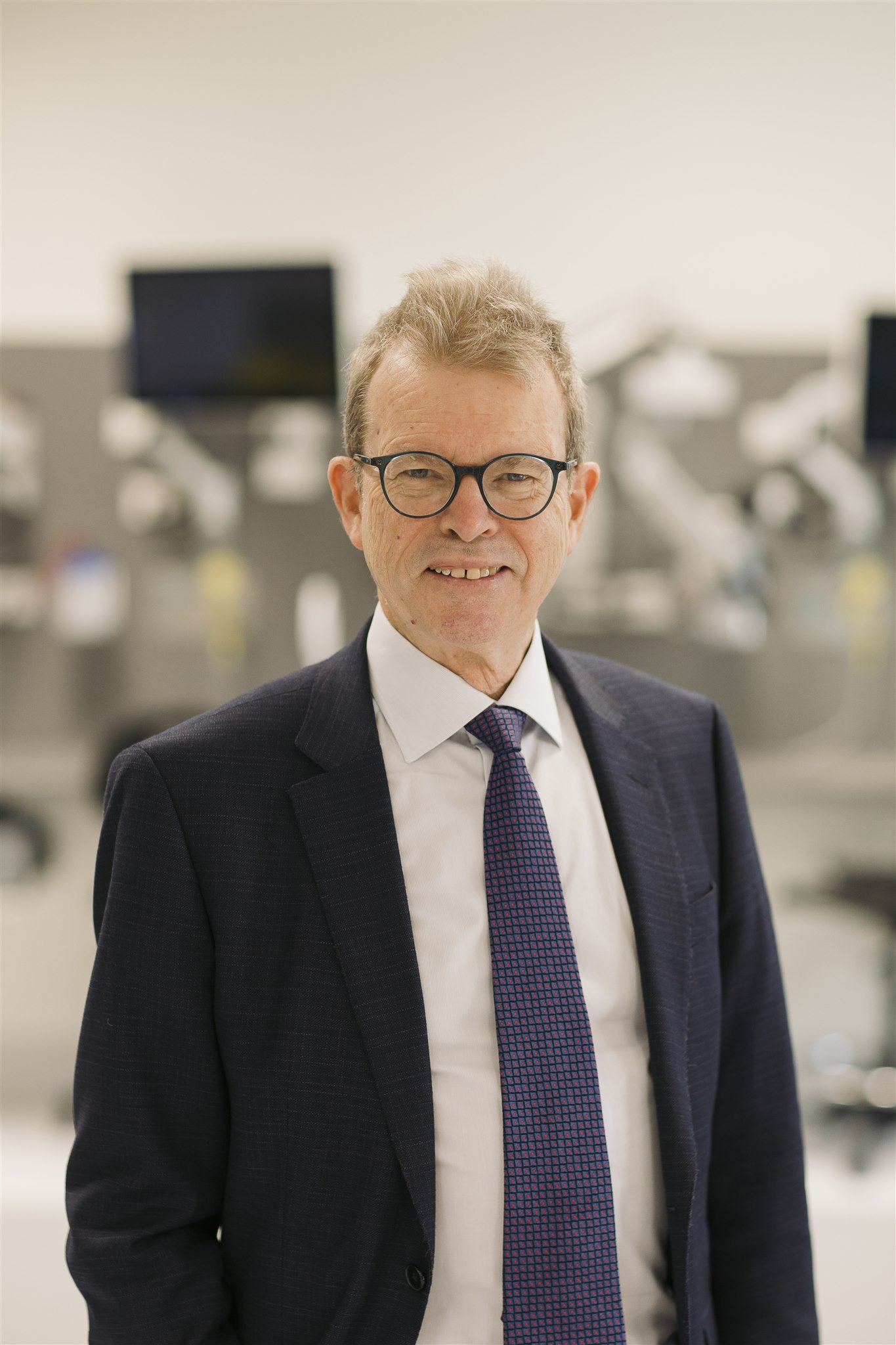 The Department continues to innovate surgical practice in ear surgery (otology) and cochlear implantation, facilitated by its strategic location at The Royal Victorian Eye and Ear Hospital.
We interface lab-based and clinical research, producing highly productive translational research outcomes. We are at the forefront of research into cochlear implantation and the preservation of hearing and balance function during inner ear surgery.
Our laboratory research aims to understand the biological response of the inner ear to surgery and other types of stress, and applies drug delivery, gene therapy, and regenerative strategies to protect and restore hearing and vestibular function.
Recent highlights include the progression of our work on cochlear protection through steroid delivery to the ear from the laboratory to regulatory trials sponsored by Cochlear Ltd. This reflects 20 years of research progress, during which the Department has maintained its international prominence.
Preventing hearing loss and cochlear implantation
The Department of Otolaryngology’s primary focus is on researching approaches to operate on the inner ear without damaging it. This is the key to saving natural hearing during cochlear implantation, and the foundation for emerging regenerative treatments of deafness and drug delivery to the inner ear. The work covers a broad program – basic sciences, preclinical research and clinical studies. Our latest innovation in drug delivery has been recognised by an NHMRC Development Grant “DaWinCI” with Cochlear Ltd from 2026-2028, and a Conjoint Grnt with the Passe Williams Foundation.
The Department’s novel method for sampling inner ear fluids for the detection of drugs or other biomarkers has shown microRNA signatures unique to specific cochlear implant outcomes.
In collaboration with colleagues from the Hong Kong Polytechnic University, we have now demonstrated that flexible polymeric optical fibres can accurately measure the position of therapeutic devices entering the inner ear, such as cochlear implants. This has been achieved without changing the mechanical properties of the implants significantly. The team was awarded a Gold Medal at the International Exhibition of Invention in Geneva for groundbreaking intellectual property in this space.
We have a significant focus on applying our intraoperative monitoring techniques to Cochlear Ltd’s precurved Slim Modiolar cochlear implant electrode. This involves measuring hearing during implant surgery and determining how specific electrode movements and surgical manipulations affect natural hearing. We have discovered that the “rules” governing monitoring are unique to each cochlear implant electrode design. This will guide future surgical practice for patients who still have residual acoustic hearing. This work has been awarded an NHMRC Development Grant “Hear Alert” together with Cochlear Ltd between 2026-2028.