Dr Karyn Ferguson is gathering and analysing health data across Yorta Yorta Country to help develop policies and programs that will strengthen Aboriginal mother and child health.
Dr Karyn Ferguson (Master of Health Social Sciences 2014, SpecCert Rural Paediatric Practice, PhD 2022) was raised on Yorta Yorta Country, which is where she began her career as an Aboriginal maternal health worker.
She spent six years with Rumbalara Aboriginal Co-operative in Mooroopna — an experience which led her to research maternal and child health in Aboriginal communities.
I worked with Aboriginal mothers during the antenatal period and supported them during labour and delivery. That lit a fire inside me to discover how we can best nurture women during that precious time in their life says Dr Ferguson.
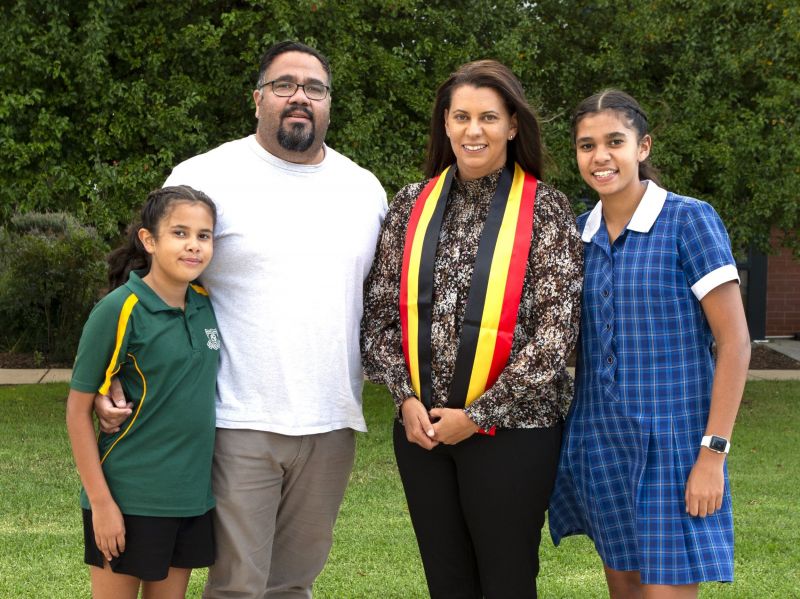
“In some mainstream hospitals I noticed discrimination and bias against Aboriginal women that impacted their experience of pregnancy and childbirth. This was a time when women wanted to do the best for their babies, so it was an opportune time to support them.”
Inspired to gain an accurate picture of the health of Aboriginal women and children and their needs, Dr Ferguson has embarked on an extensive academic and research journey at the University of Melbourne.
She is undertaking a Peeneeyt Thanampool (Strong Women) Aunty Joan Vickery and Aunty Angela Clarke MDHS Indigenous Post-doctoral Fellowship. The Fellowship supports the next generation of Indigenous researchers to actively contribute to translational health research and address critical health issues facing Indigenous communities.
Dr Ferguson’s completed PhD research project, Gana Burrai, used data linkage studies to collate maternal health and birth outcome data specific to Yorta Yorta country. Gana Burrai means ‘mother baby’. Until then, population health trends specific to Yorta Yorta mothers and babies had been separated across numerous local, state and federal organisations.
“I linked data from various states, local government authorities, health regions, hospitals, Aboriginal medical services and the Registry of Births, Deaths and Marriages. This data had never been collected through a Yorta Yorta lens before, so there hadn’t been a full understanding of the health of Aboriginal women and babies,” says Dr Ferguson.
“The data showed that birth weights of babies were good and Aboriginal women were presenting early for antenatal visits. They had regular antenatal checks during pregnancy, so there were opportunities to talk about any challenges and to detect any problems in pregnancy early.
The data showed more work needed to be done around smoking during pregnancy, and there was a rise in admission to special care nursery after a baby’s birth over a 10-year period. Further work needs to be done to find out the cause of that.
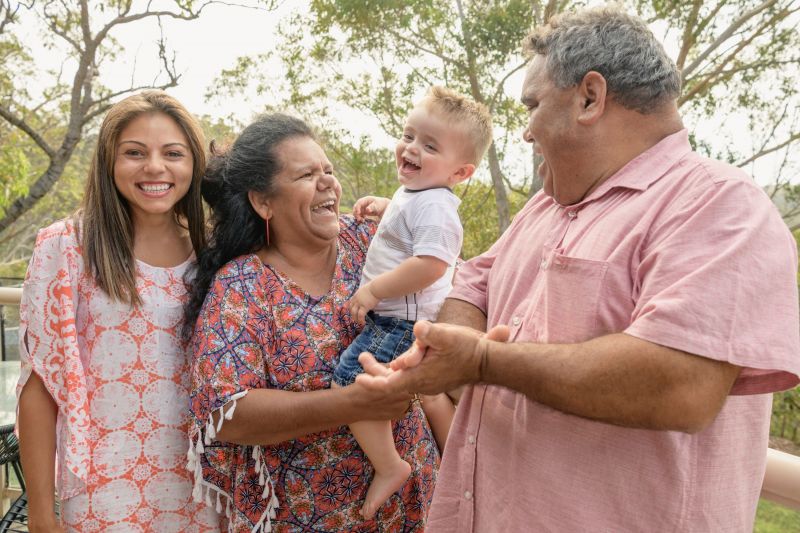
"What differences are there in presentations and hospitalisations? Where can we intervene to ensure policy and programs respond to the needs of Aboriginal children and families?"
When we have an accurate view of the health issues affecting Aboriginal children in our communities, we can make practical decisions about how to best care for those children.
In her community in Shepparton, Dr Ferguson hopes her research career encourages young Aboriginal people to believe a university education is possible. A latecomer to academia, she’s proud to have inspired her son, who’s in his first year of Biomedicine at the University of Melbourne, to pursue a medical career.
Dr Ferguson is also passionate about ensuring future medical practitioners and health workers are empathetic to Aboriginal patients.
I used to lecture Melbourne Medical School students during their rural rotation in Shepparton and I talked about the impacts of racism in the context of healthcare delivery and access, she says.
I hope I’ve opened minds so they will treat Aboriginal people through a lens of understanding.