Welcome to the latest edition of Chiron
Discover how our teachers, researchers, clinician–scientists, and entrepreneurs — many of them proud alumni working across our partner organisations — are tackling the health challenges of a rapidly changing world.
Use the left and right arrows to navigate through the publication, or read the articles below
A message from the Head of School
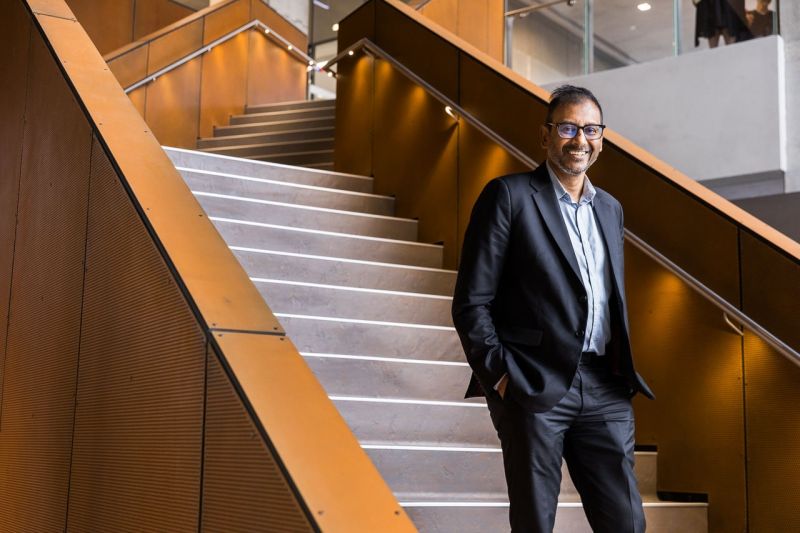
Professor Sarath Ranganathan
Welcome to the 2025 edition of Chiron. I hope you enjoy reading about recent initiatives and activities within the Melbourne Medical School, and about the achievements and impacts our alumni have made.
Preparing doctors for the future of medicine
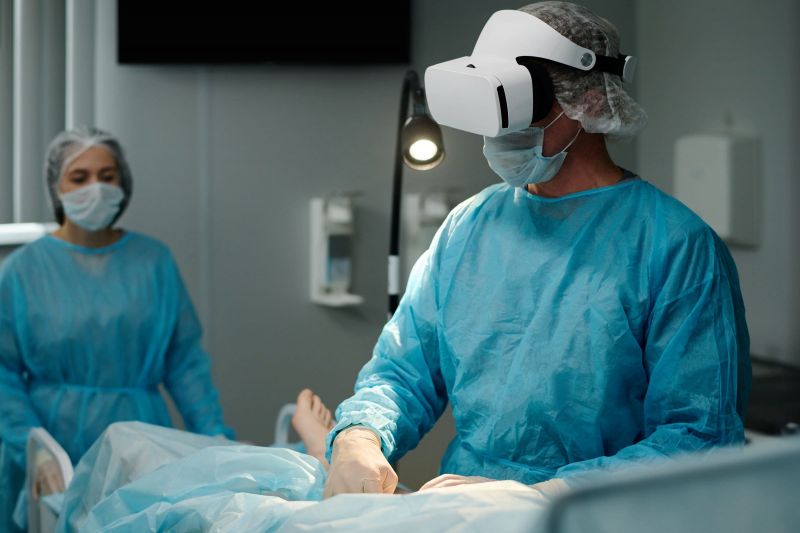
Given the rapid change of the world today, I was asked to speculate about what the future of medicine might look like – and some of our plans in the school.
The future of medicine will likely be shaped by technological acceleration. So, at Melbourne Medical School, we’re rethinking how we teach to prepare doctors for that future world.
Reclaiming our adolescents:
Why today’s mental health and wellbeing crisis requires a systems lens
By Professor Susan Sawyer AM (MBBS 1985, MD 1995), Geoff & Helen Handbury Chair in Adolescent Health, Department of Paediatrics, University of Melbourne, Murdoch Children’s Research Institute.
Adolescence has long been seen as a challenging time. New views embrace young people as one of society’s greatest assets and we need to take a systems approach to supporting them.
Advancing healthcare for a changing world
-
Turning the tide on Australia’s deadliest skin cancer
With advances in precision medicine, personalised therapies and the possibility of a vaccine, surviving melanoma is no longer a pipe dream. 14 years after she was told her original cancer had metastasised, Wamba Wamba woman, Melissa Sheldon, can now see that the timing was fortunate.
-
How AI innovations are protecting maternal and foetal health
A baby’s heartbeat is a barely perceptible signal that is easily lost in the biological cacophony of the womb. But finding and monitoring that tiny pulse is essential to tracking foetal health, detecting potential problems early, and acting quickly to save one – and possibly two – lives.
-
2025 Leon Carp Award: Tackling regional Victoria’s child asthma hotspots
It sounds simple, but a new research project aiming to make sure every asthma sufferer has an up-to-date care plan might be an effective way to save lives – especially those of young people.
-
Treating the person, not the disease, for better health outcomes
At the University of Melbourne, breast cancer specialist and surgeon Professor Christobel Saunders AO is part of a growing global movement called person-centred, value-based healthcare.
-
The surgeon helping children with cerebral palsy walk again
New orthopaedic surgical techniques and interventions are giving children living with cerebral palsy the chance to stand, walk, jump and run – dependent on their pre-existing level of disability.
-
The gene whisperer: Looking forward while honouring Indigenous genetics’ past
For Indigenous Australians, yarning is a ‘deeply cultural way of learning, sharing and connecting’ – a free-flowing sharing of stories and experiences that helps build strong relationships.
-
From global to local: How we’re preparing students to collaborate in the health workforce at Aikenhead Centre for Medical Discovery
Professor Tina Brock is on a quest to teach medicine, dentistry and health sciences students across the faculty the skills to effectively work together in teams.
-
#WeMet@UniMelb: University mentoring program sparks career-changing conversations
Biomedicine student Farhan Islam wanted to be an engineer, not a doctor. But then he met Associate Professor Lisa Cheshire through the University’s mentoring program and realised he could be both – an inventor who helps make people’s lives better.
-
Creating a new home for the treasures of the Medical History Museum and their stories
After 58 years in the Brownless Biomedical Library, the Medical History Museum has relocated to a new space on Bouverie Street. The newly refurbished space allows visitors and students to directly engage with the faculty’s extensive collection of objects marking milestones of innovation in medical history.
School and alumni awards
We extend our heartfelt congratulations to our esteemed alumni and dedicated staff members who were honoured at the Premier’s Awards for Health and Medical Research, the National Health and Medical Research Council’s (NHMRC) ‘10 of the best’ and at the Institute of Public Administration Australia (IPAA) Victoria Leadership Awards.
Vale
We honour the memory of our alumni, Grantley Alexander Ward, Professor Rinaldo Bellomo AO and Emeritus Professor Glenn Bowes AO.
We reflect on the remarkable individuals they were, celebrating the meaningful lives they lived and the invaluable contributions they made through their work.
Download the full-length latest edition of Chiron
Read past editions of Chiron
Read about the many impressive ways our school, staff, alumni and friends are training and learning from the next generation of healthcare leaders.
Past editions
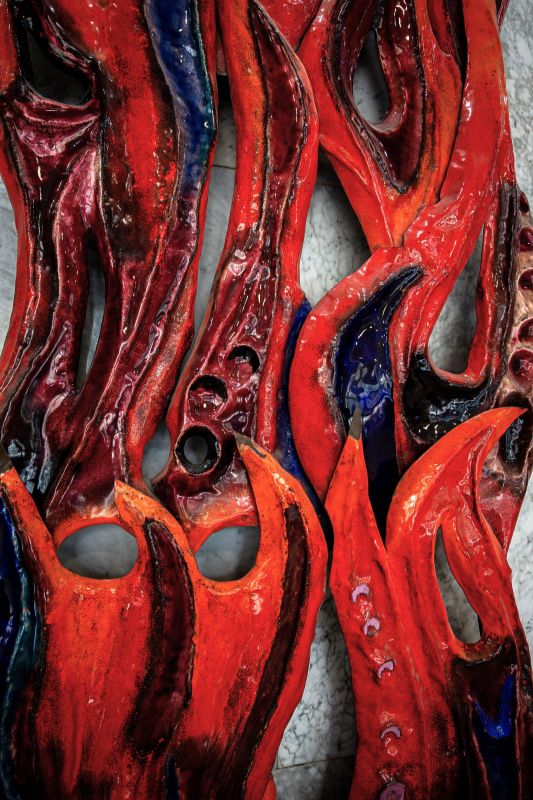
Chiron [Kahy-Ron].
In Greek mythology, Chiron was one of the Centaurs, the son of the Titan Cronus and Philyra, an Oceanid or sea nymph, teacher of Achilles, Asclepius. Chiron lived at the foot of Mount Pelion in Thessaly. Unlike other Centaurs, who were violent and savage, Chiron was a wise and beneficent Centaur famous for his knowledge of medicine.
Chiron is published by the Melbourne Medical School. Contributions and correspondence from alumni, staff and students are most welcome and should be sent to:
Chiron Communications
MDHS Advancement,
Faculty of Medicine, Dentistry and Health Sciences,
Level 2, Alan Gilbert Building,
The University of Melbourne, 3010, Australia
E: mdhs-alumni@unimelb.edu.au
CONTRIBUTORS: Many thanks to Georgia Coon, Marcus Doherty, Florienne Loder, Sarah Marinos, Taylah Mclean, Justine Costigan, Rhys Morgan, Bianca Nogrady, Sofia Mota Silveira, Tim Sharp, Frank van Rensburg, AV Graphic Design and Meegan Waugh.