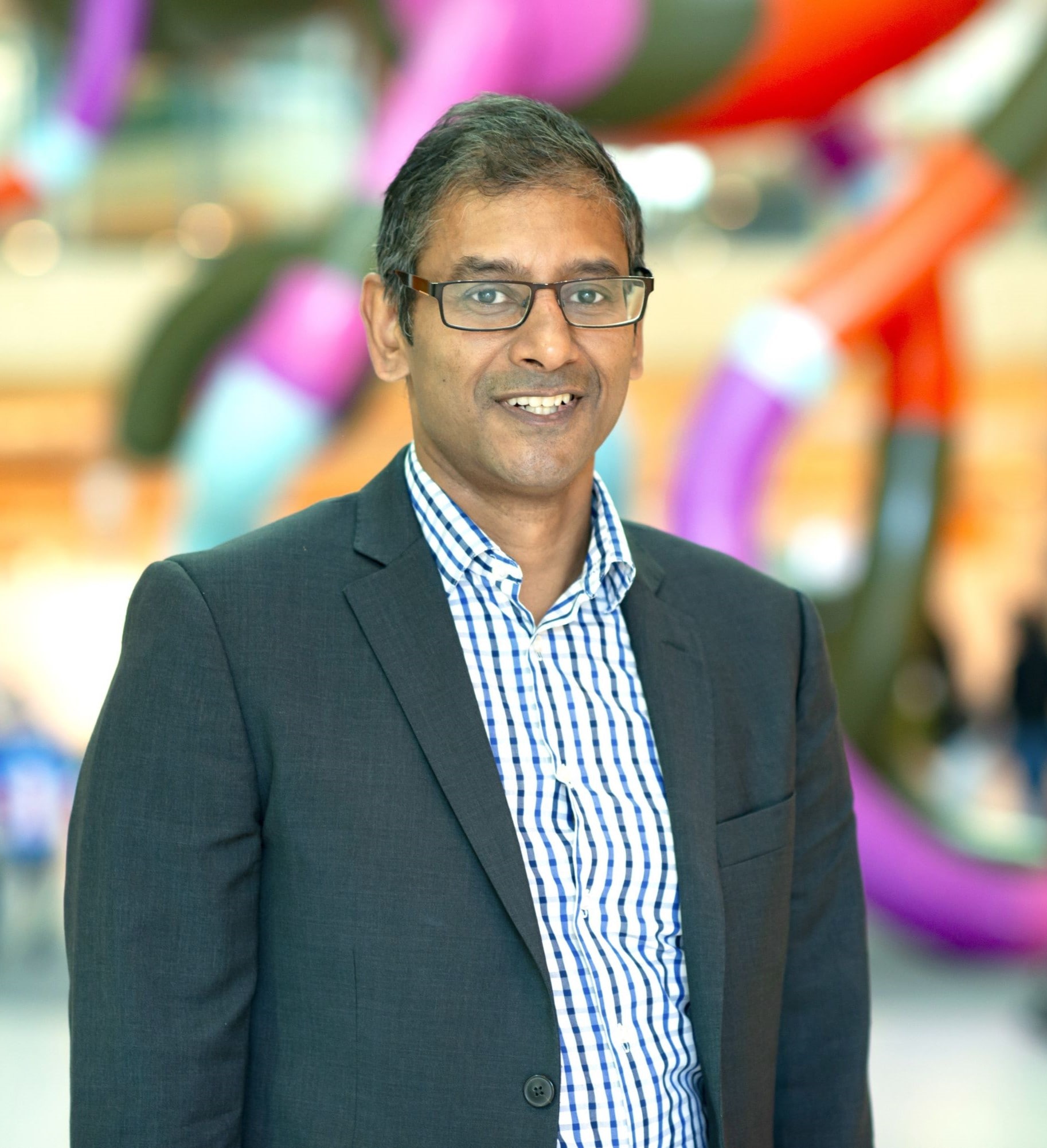
I commenced as Head of Melbourne Medical School in January this year and I am proud and grateful to be part of an amazing community of alumni, staff, students and friends who are making critical impacts in healthcare around the world.
This 2024 edition of Chiron focuses on the far-reaching ways in which our School and alumni are advancing research and the medical workforce of the future.
There are many challenges affecting healthcare — we have a significant ageing population, which creates social challenges and greater prevalence of people living with multiple morbidities. Healthcare costs are rising because of this, and also because of the introduction of new therapies and technologies.
Alongside the worldwide phenomenon in developed societies of declining fertility rates there are challenges both to the workforce and the fundamental affordability of healthcare. We need to think very differently to be able to provide a healthcare system that is effective for the future.
Looking ahead, the future workforce is also facing massive technological changes and will need to learn how to harness those technologies, such as AI, virtual reality and robotics, to be more efficient and productive.
We need to ensure the people we train are maximising their impact and we must place greater focus on preventive healthcare. We also need to produce more healthcare professionals who can work in the community in primary prevention and general practice.
True health prevention relies on a public health response that brings together primary care, education, housing, and many other community-based services, while also requiring changes to government policy and how healthcare is funded. But none of this can happen if we do not have enough GPs who are trained and armed for leadership in the preventive healthcare space.
Melbourne Medical School is at the forefront of training people for this new world, while our research is investigating ways to prevent and cure chronic disease, to maximise benefit from the digital health transformation, and to make the health system work better to ensure Australians who really need healthcare receive that care.
The medical workforce and healthcare system of the future face other pressures too. Healthcare is responsible for about 5 per cent of global emissions. We have to think about the sustainability of what we do and we retain some optimism that by limiting emissions on our part, we can contribute to reducing the heating of our planet.
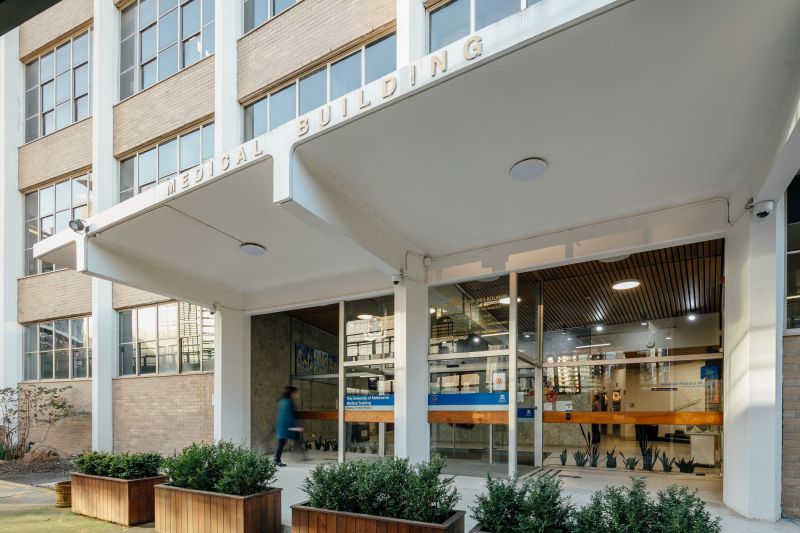
The Faculty of Medicine, Dentistry and Health Science recently launched its new strategic plan, Advancing Health 2030, and we are also launching the first ever formal strategic plan for the Melbourne Medical School, Advancing Medicine. We have been looking at how we can adapt the structure of our governance to ensure the plan can be implemented with agility into the Melbourne Medical School. The plan will ensure that our School is well prepared to be collaborative and active participants and leaders in the medicine workforce of the future. It promotes the Advancing Health 2030 values of innovate, collaborate and nurture and embraces diversity of thought and inclusivity.
I hope you enjoy reading about recent initiatives and activities within the Melbourne Medical School, and about the achievements and impacts our alumni have made. We are developing a monthly podcast series featuring interviews with staff, students and alumni for those who’d like to stay more connected to our School. Through this we hope you have opportunities to keep better connected with progress, developments and our community.
We want to build further connections with our alumni and to continue to draw upon their knowledge and skillsets to help us navigate the complex health transformation and training mission that we are embarking upon.
Finally, I’d recommend to you a book published this year by luminaries of the University of Melbourne — Dr Ross L Jones, Dr James Waghorne and Professor Marcia Langton AO. Dhoombak Goobgoowana: A History of Indigenous Australia and the University of Melbourne — Volume 1: Truth is a frank examination of the long, complex and troubled relationship between the Indigenous people of Australia and Melbourne’s oldest university. It is a confronting but fascinating read that confirms why we must always strive to do better. An equitable approach to healthcare is essential to advance health and wellbeing in our society.
Professor Sarath Ranganathan
Head, Melbourne Medical School