By Justine Costigan
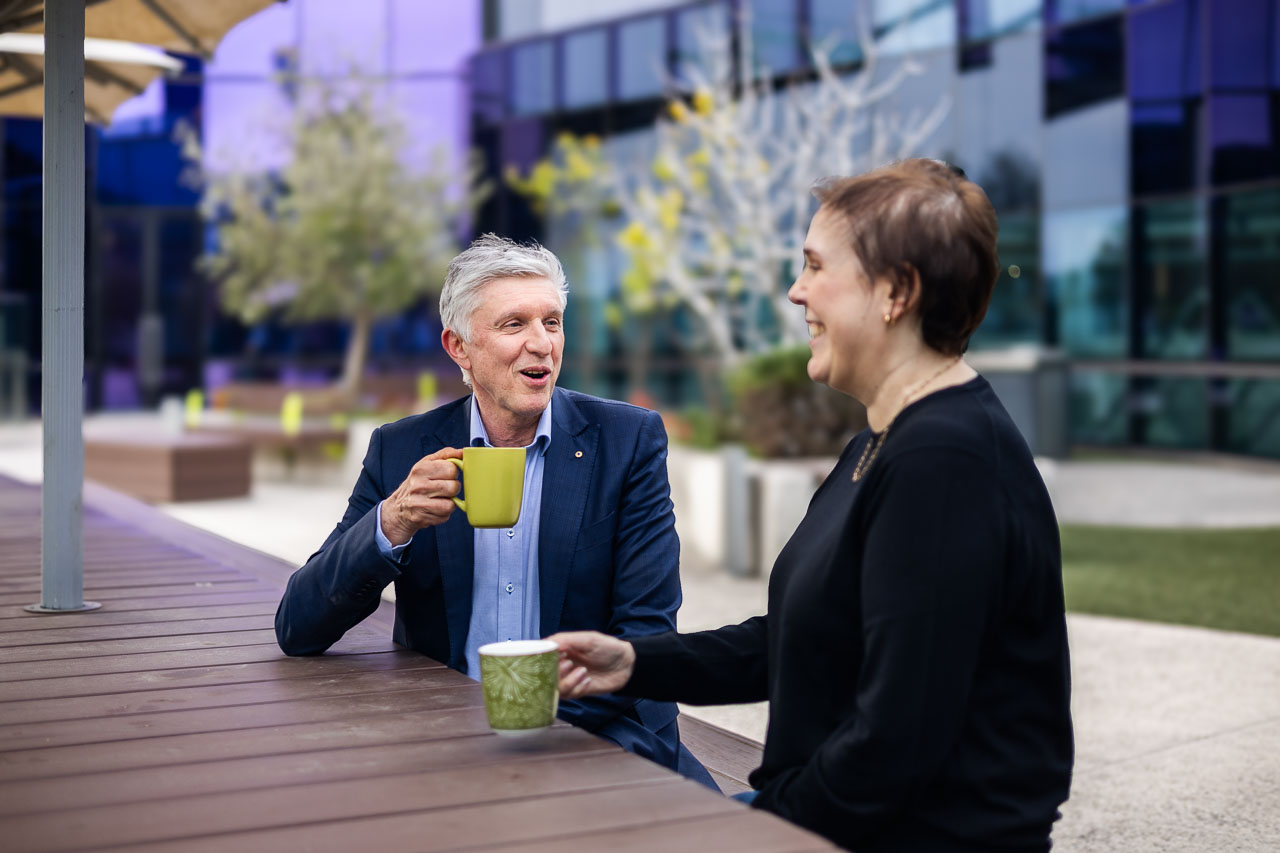
With advances in precision medicine, personalised therapies and the possibility of a vaccine, surviving melanoma is no longer a pipe dream.
Luck isn’t a word that most cancer patients associate with a melanoma diagnosis. But 14 years after she was told her original cancer had metastasised, Wemba Wemba woman, Melissa Sheldon, can now see that the timing was fortunate. When she was diagnosed with her first cancer, she was only 29.
I didn't even know what melanoma was, so it was a big shock. Melissa Sheldon
By the second diagnosis, Ms Sheldon knew more than she ever wanted to. Her cancer was caused by mutations to the BRAF gene – the gene that plays an important role in cell growth. The lucky part? She was eligible to participate in a new clinical trial focused on targeted therapies.
“Both the medical team and I didn't know what would happen, but given it was stage four terminal cancer, I was always going to give it a go,” she says.
Changing the odds
Melanoma is the deadliest form of skin cancer and thanks to Australia’s climate and outdoors culture, Australia has one of the highest rates of the disease in the world. Yet, while melanoma was once a cancer with a five per cent survival rate at stage 4, precision medicine – such as the BRAF treatment – and targeted immuno-therapies have raised this figure to 50 per cent.
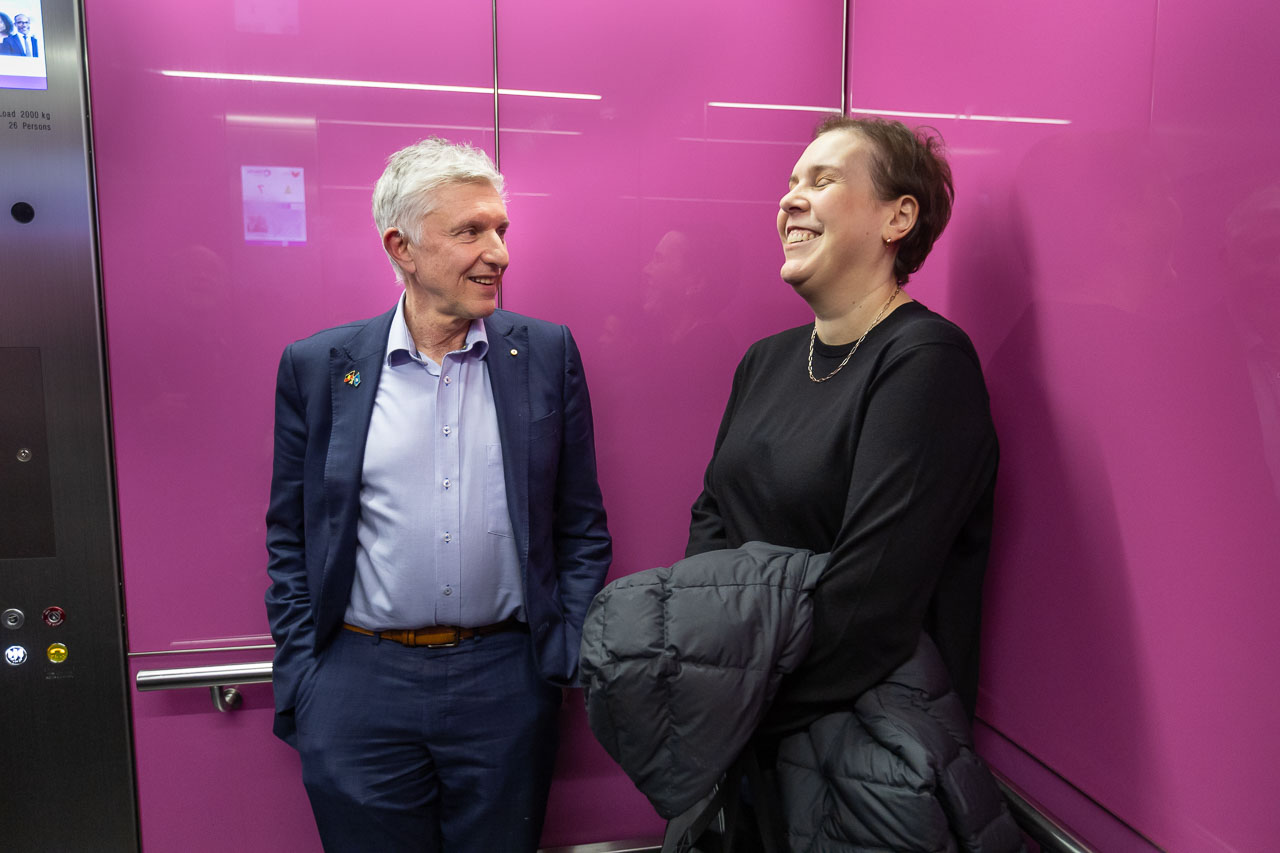
When she joined the cancer trial in 2011, Ms Sheldon’s oncologist was Professor Grant McArthur AO (BMedSc 1983, PhD 1994), former Chief Executive Officer of the Victorian Comprehensive Cancer Centre Alliance (VCCC Alliance) and the inaugural Lorenzo Galli Chair in Melanoma and Skin Cancers at the University of Melbourne.
Ms Sheldon says Professor McArthur told her: “If we can keep you alive on this first trial for long enough, there'll be something else down the track. Essentially, we've just got to ride the wave.”
From trial to transformation
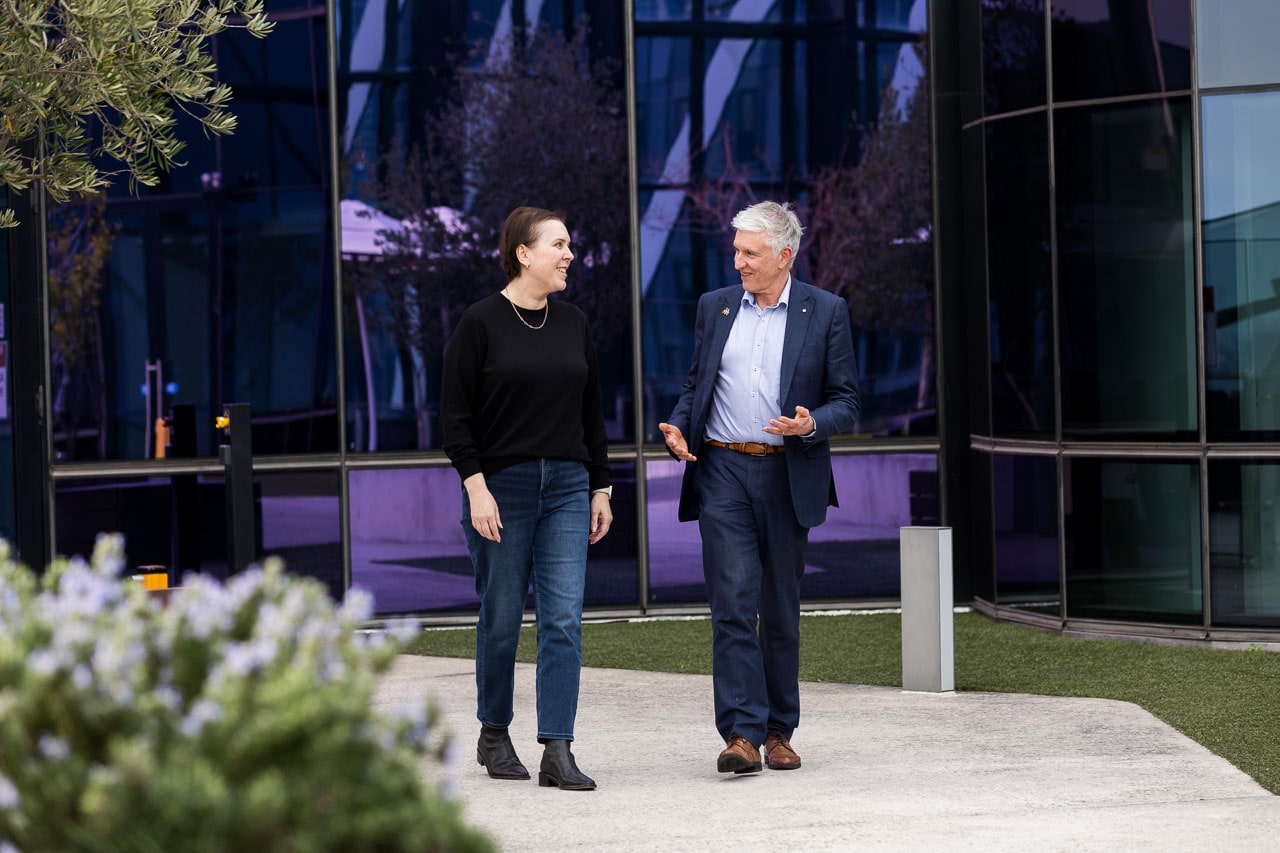
It wasn’t always smooth sailing. Ms Sheldon says the pair initially clashed.
“I was a bull at a gate, to the point where he suggested I could go see someone else if I wanted to – which I didn't. He personally doesn't remember that, but I do because it was a turning point for me. I knew I needed to understand and listen to what he was saying,” she says.
Now, Ms Sheldon is a lived experience leader at VCCC Alliance working closely with Professor McArthur.
“I just love that we're still friends,” she says. The trial fundamentally changed Ms Sheldon's prospects for survival.
It worked phenomenally well. It was like the best Christmas you could ever ask for. Melissa Sheldon
Professor McArthur’s belief that there would be better treatments on the horizon was not just an act of faith. His research as a PhD student and post-doc was conducted at a time of major discoveries in the understanding of cancer.
“We were really trying to understand what cancer is, why cancer cells grow, and their unique features that might make them vulnerable,” he explains.
Since then, his focus has been on taking that knowledge and turning it into effective new treatments.
In 2024, 18,964 Australians were diagnosed with melanoma – an estimated 11 per cent of all new cancer diagnoses that year and the third most commonly diagnosed cancer. In 2011, when Ms Sheldon began her trial, melanoma was Australia’s seventh most deadly cancer. In 2024, it had fallen to 11th position.
The ability to target the BRAF protein, which contributes to about 40 per cent of melanoma cases, has helped change these outcomes. Precision medicine, which targets the mutations in BRAF that make melanoma cells malignant, has an immediate impact.
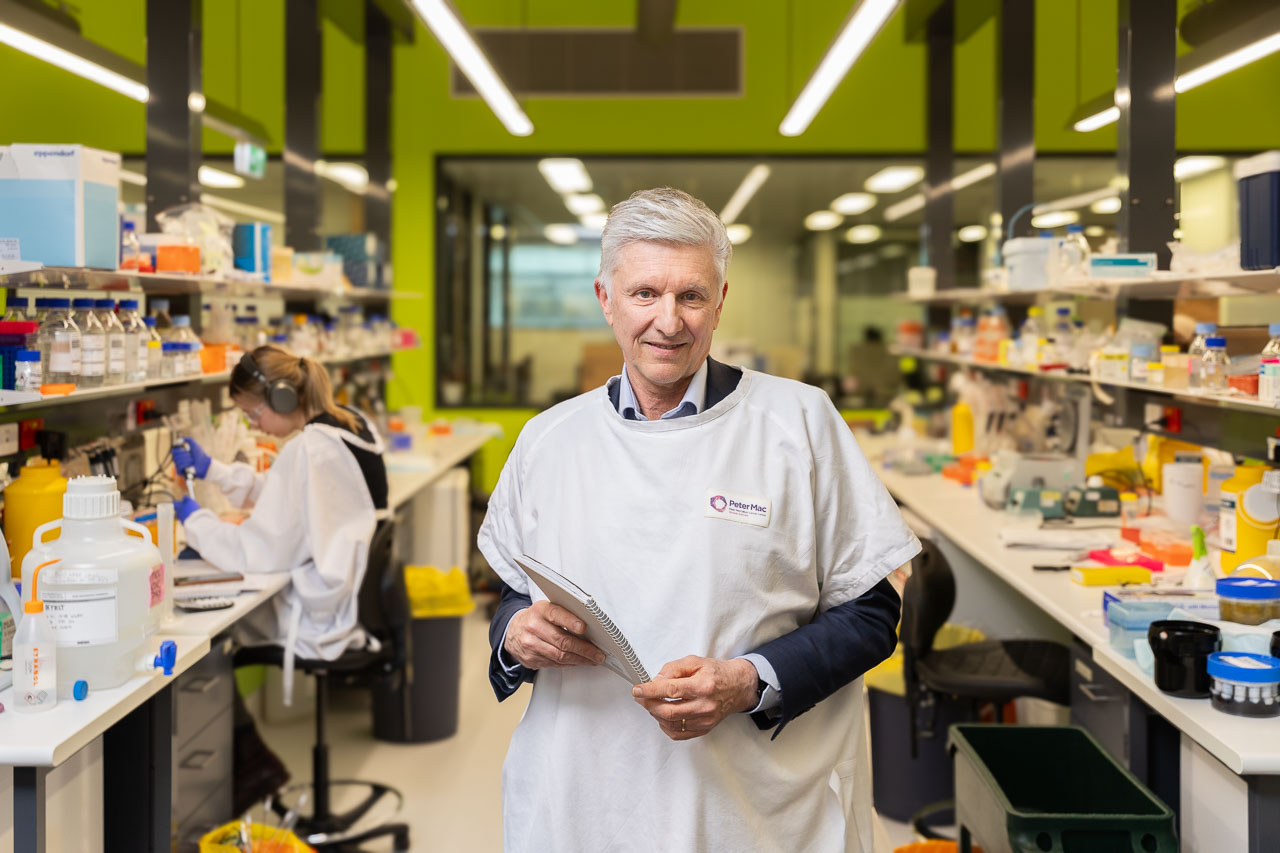
“If a patient with a BRAF mutation comes to see me on a Friday, I give them a prescription for the targeted therapy drugs and tell them, ‘Very soon, as early as Monday or Tuesday, you're going to feel a lot better,’” says Professor McArthur, who is also Head of the Molecular Oncology Laboratory and a Senior Consultant Medical Oncologist at the Peter MacCallum Cancer Centre.
The fight continues
These outcomes should be celebrated, but there are still many patients whose cancer remains resistant to treatment.
“There are just so many mechanisms of resistance. People often use the analogy of the ‘whack-a-mole’ game, where you get the hammer and you hit one mechanism of resistance, then another one will inevitably put its head up and the cancer starts growing again,” says Professor McArthur.
That’s why one of his passions is prevention: identifying the presence of pre-cancerous genetic changes when the skin still looks normal and so raising the possibility of a vaccine to stop the cancer from forming, or using precision immunotherapy to activate the immune system to eradicate cancer cells and prevent them from ever coming back.
It’s an option that could see the end of the ‘whack-a-mole’ strategy.
The brighter road ahead
Although Ms Sheldon’s cancer hasn’t been cured and she lives with many side effects from her treatments, she has nothing but praise for the way melanoma treatment has developed since her diagnosis.
The evolution has been so good for individuals. I often think, if I had been diagnosed a few years earlier, I would have probably just been offered chemotherapy. Melissa Sheldon
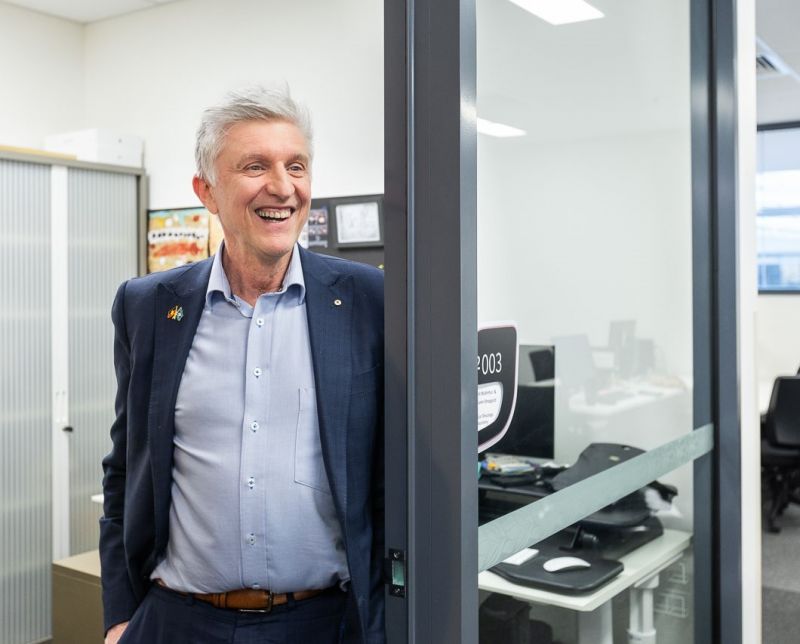
Two in three Australians will be diagnosed with some form of skin cancer in their lifetime. It’s a disease that touches every family. But increasingly, the prognosis for melanoma is looking promising. Professor McArthur is cautiously optimistic.
“I've got guesses about what the next five or 10 years will be, but I might be wrong. There's certainly a growing trend of getting in really early, rather than waiting until a cancer has spread then trying to cure it,” he says.
“I'm very excited about new neoadjuvant therapies where we give immune treatment before surgery, and particularly about personalised cancer vaccines. That's where we're likely to have the biggest impact. You know, there's already preliminary clinical data that looks very promising – and that's a game changer.”
Read more about the transformative impact of The Lorenzo and Pamela Galli Medical Research Trust here: