The Diamond cohort study
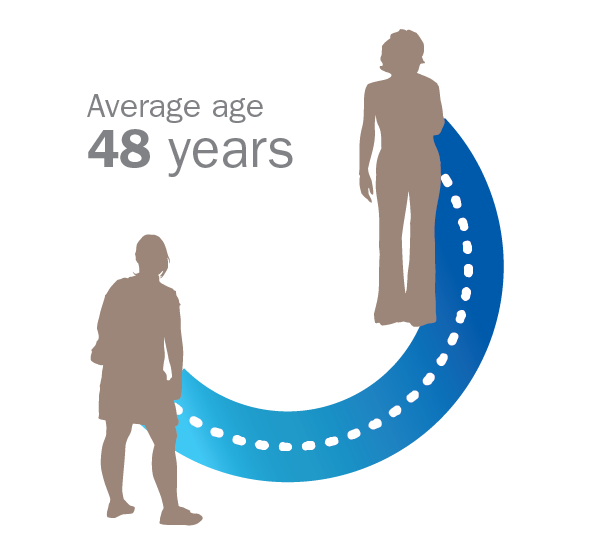
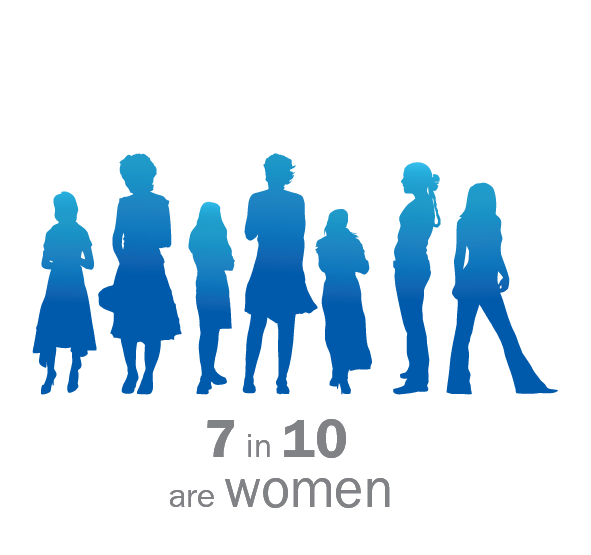
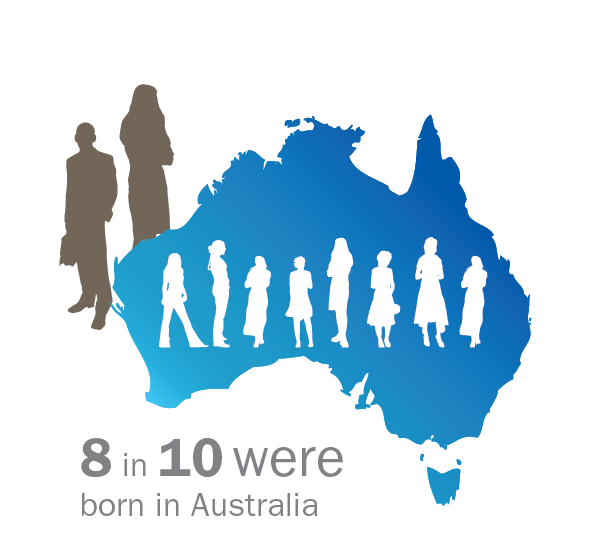
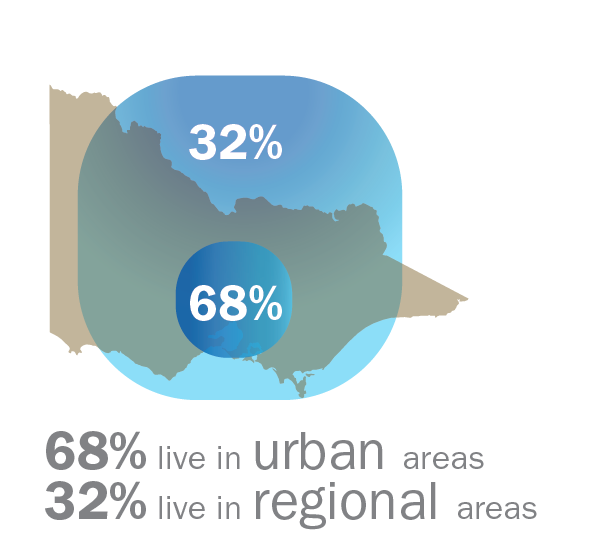
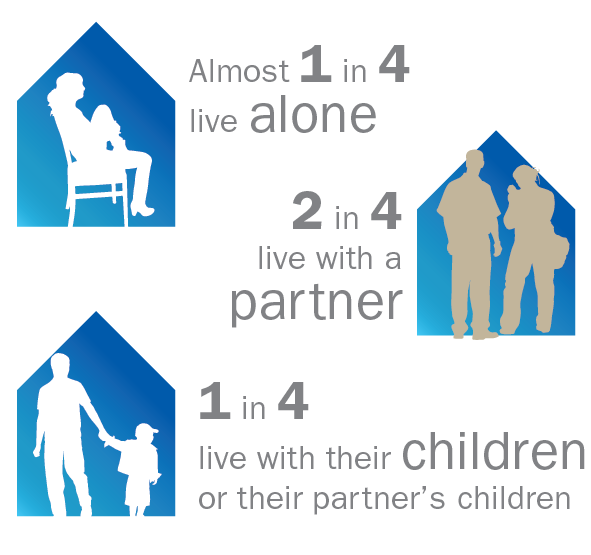
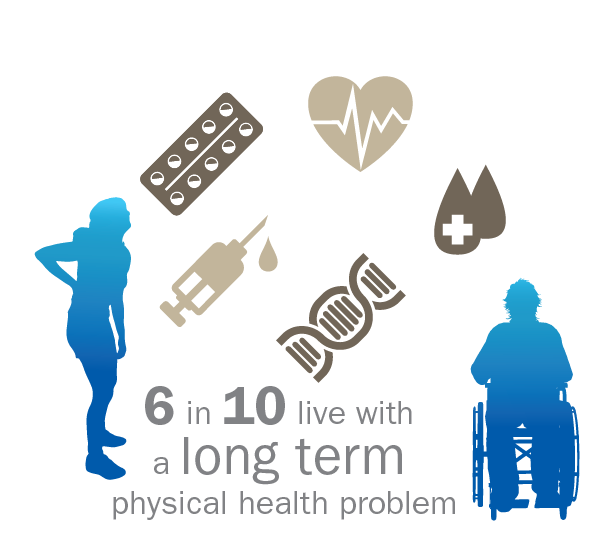
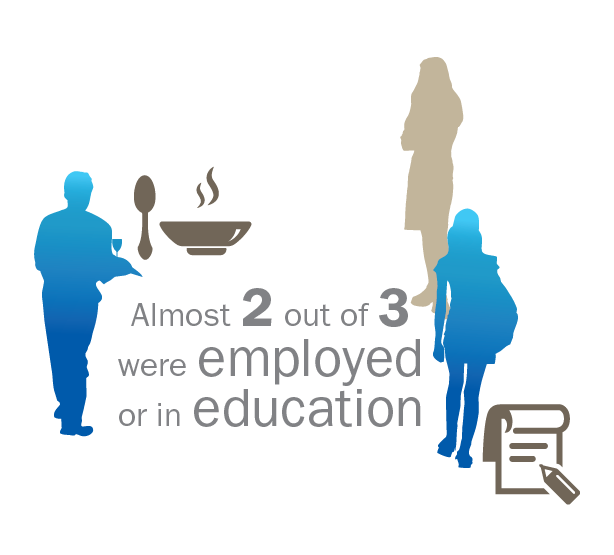
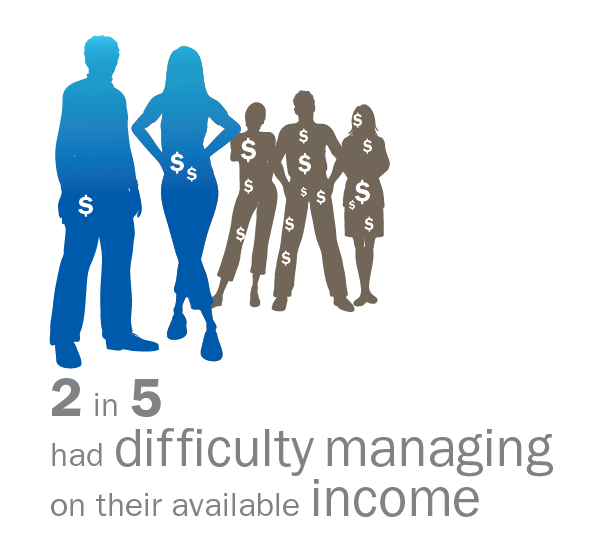
Who participated in diamond?

Service use and help seeking
When people realised they had a problem with depression:
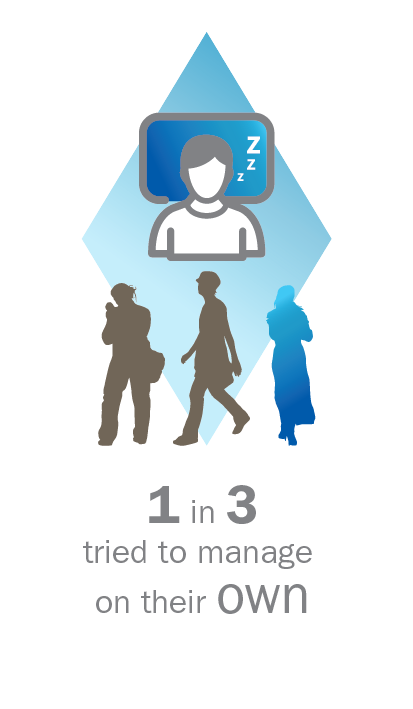
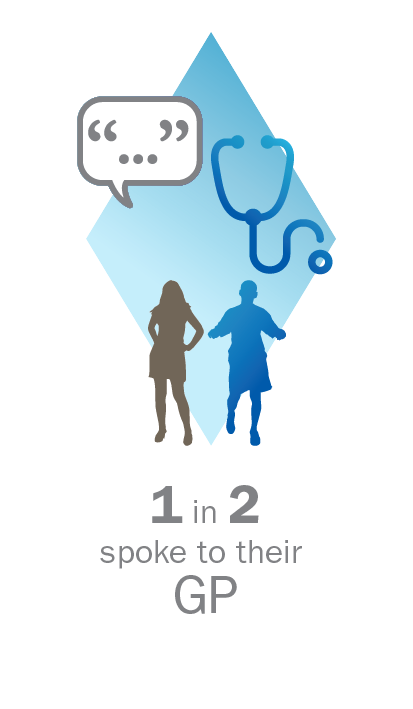
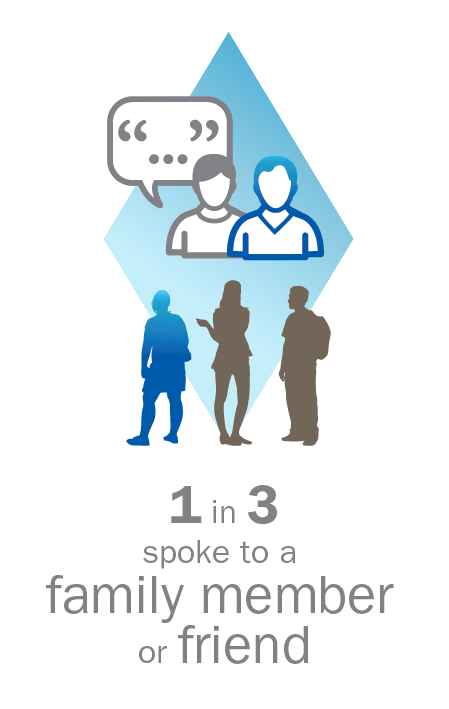
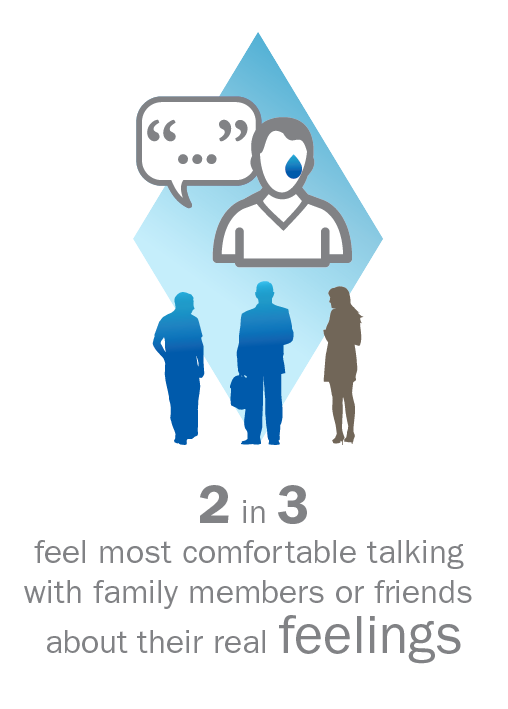
How someone describes and explains depression may impact on their clinical treatment and the decisions they make about treatments.
Treatment approaches need to target multiple areas for depression (e.g. social, environmental, work, stress, medications).


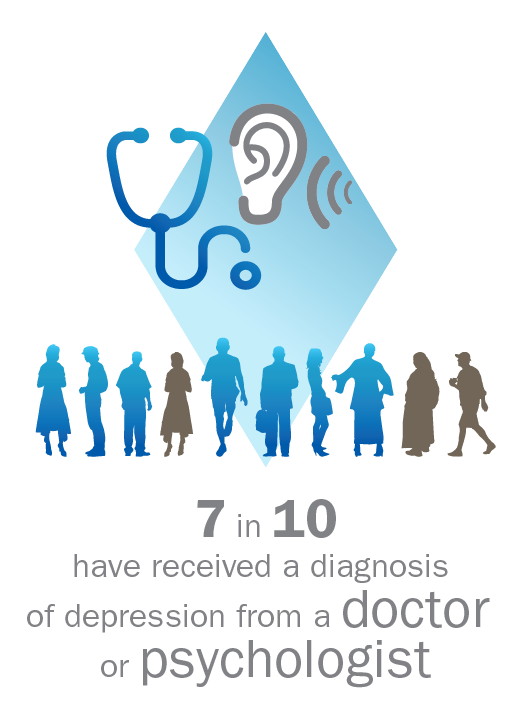
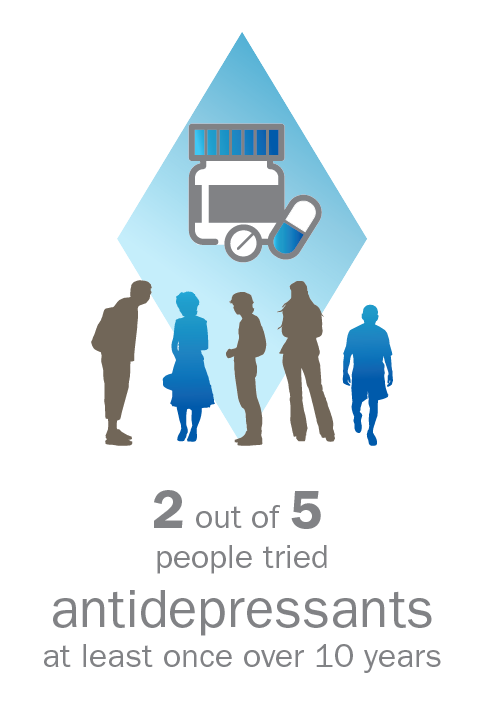
People saw the role of the GP as much more than prescribing antidepressants and referring. People wanted listening and understanding, support and reassurance and involvement in planning and treatment.
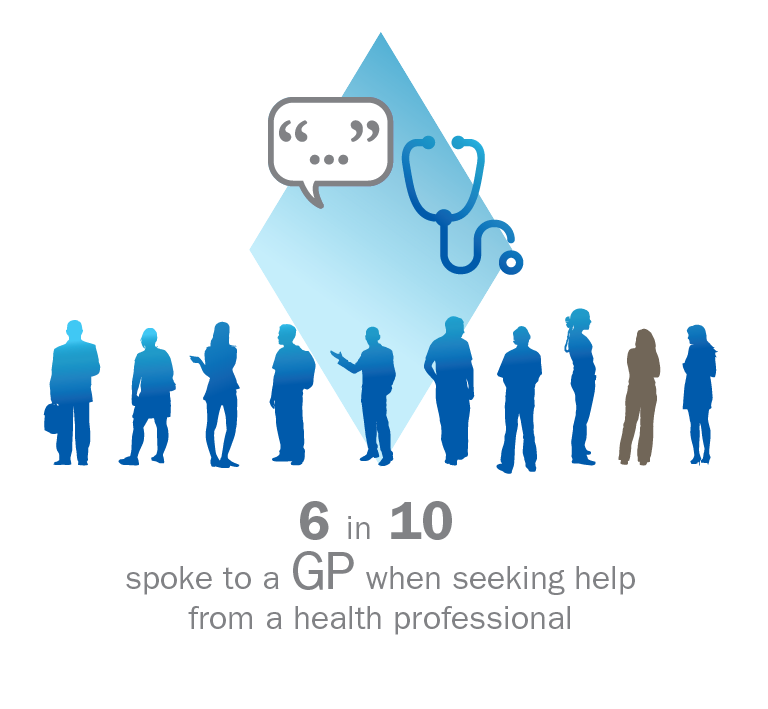
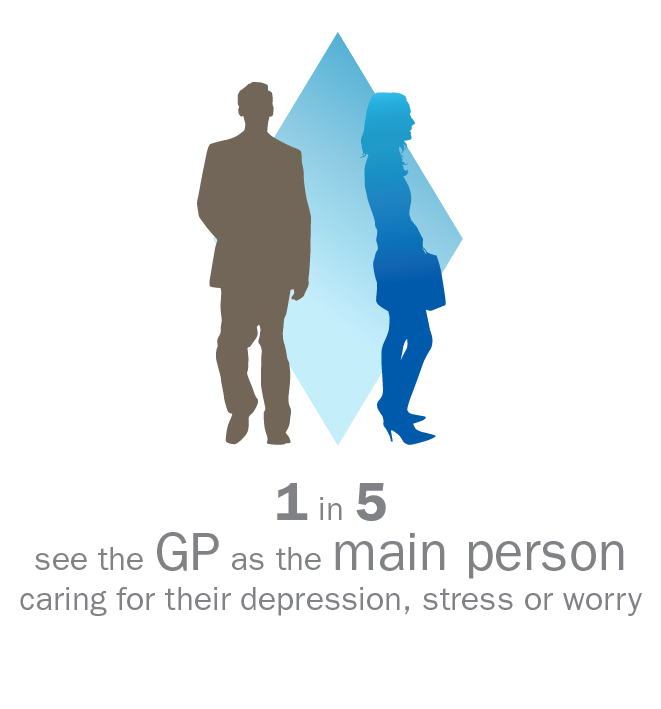
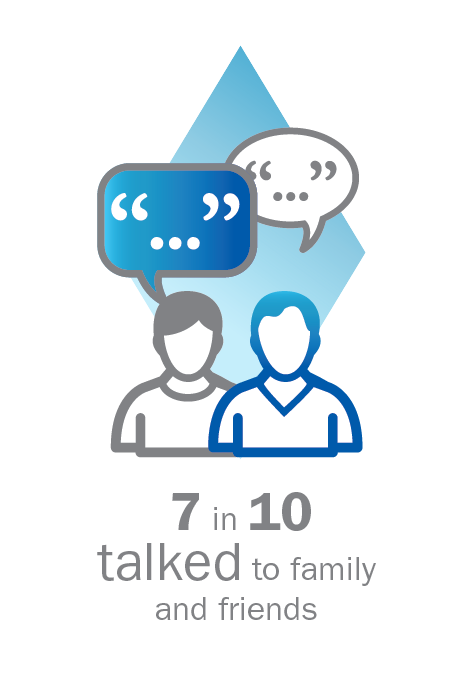
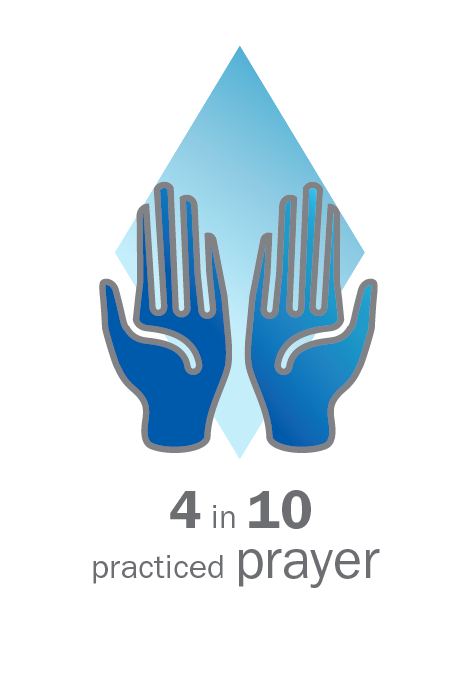
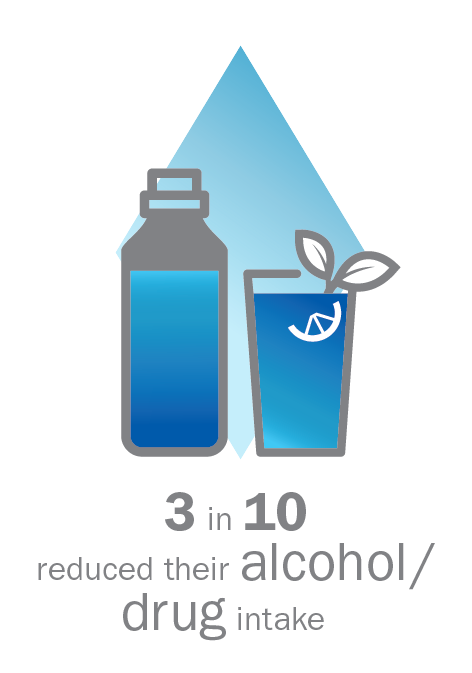
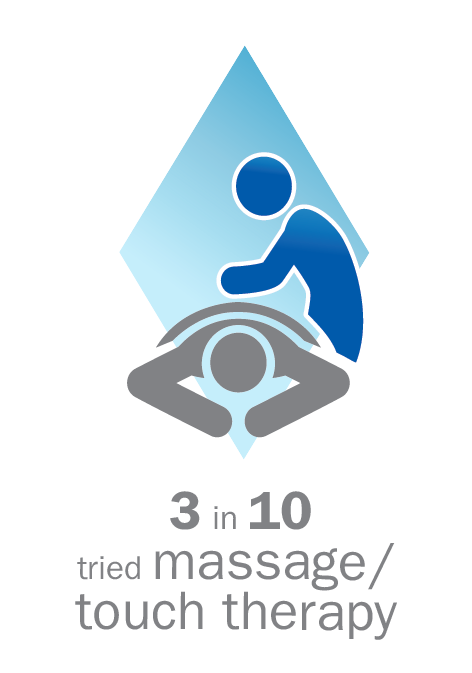
Ten strategies people tried for depression, stress or worries






Quotes from participants
Everyone’s normal is different
…well it's funny, it's one of those things that you don’t advertise that you’ve got, so you choose who you tell, but you’re surprised at how many people have suffered from it. So chatting with other people has been very helpful too
…(the) best thing for me is talking to people, that helps me a lot because it makes me feel better. Talking to the GP as well helps. I've known my GP all my life and he helps me a lot too which is good.
Going to visit the psychologist because it’s made me realise where I’m at, it’s been a revelation.
Well to keep taking medications, that’s the most important thing, to take the medications prescribed.
I try to get out and about. And try and take my mind off things.
…trying to keep well with diet, activities um perspective, sleep and probably decreasing alcohol consumption.