Thriving amid change at the 2026 Doctors in Secondary Schools Symposium
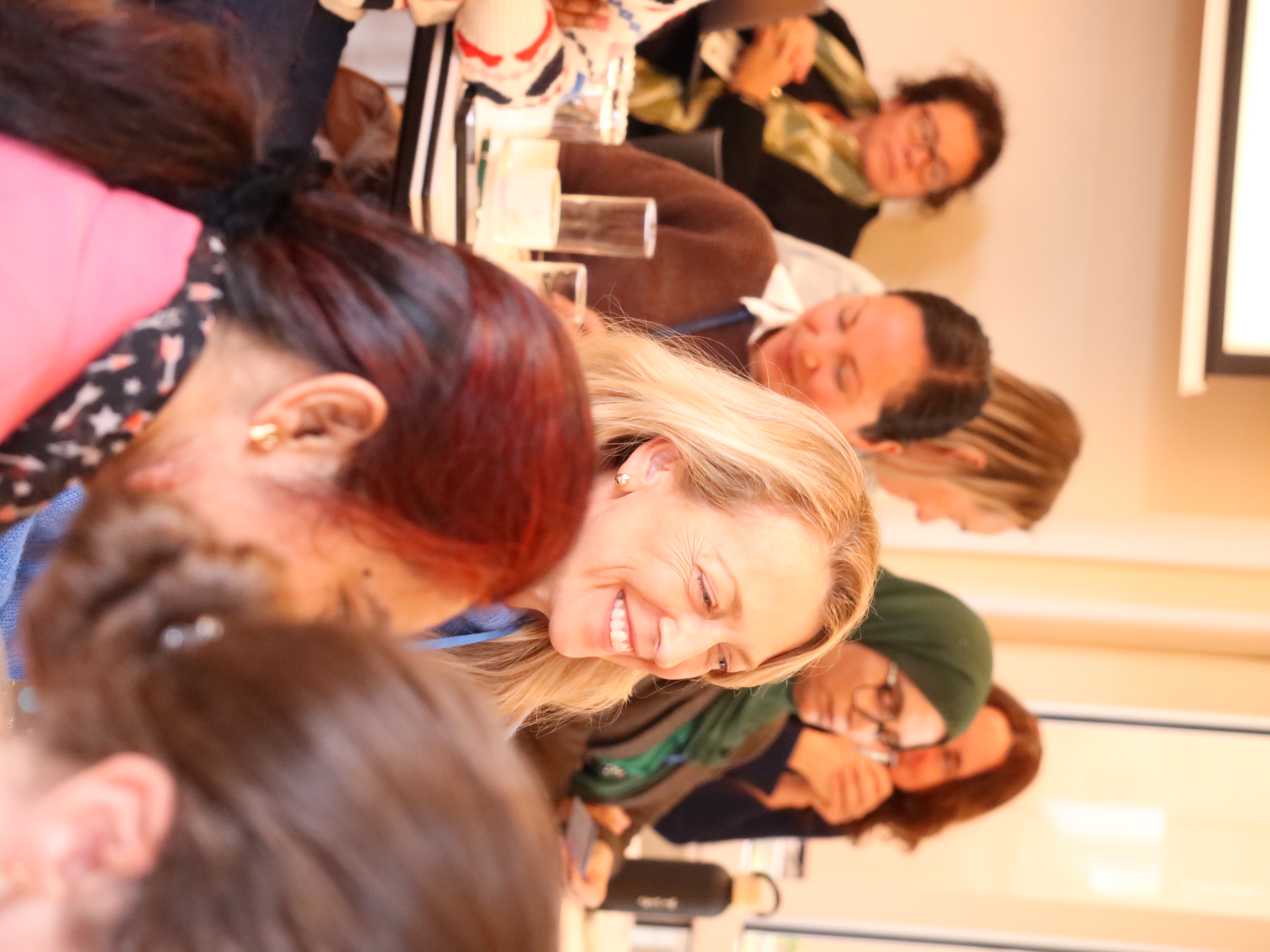
65 GPs and PNs involved in the Doctors in Secondary Schools Program attended the symposium in person with an additional 54 participants logging in online to hear guest speakers discuss advances in adolescent healthcare.
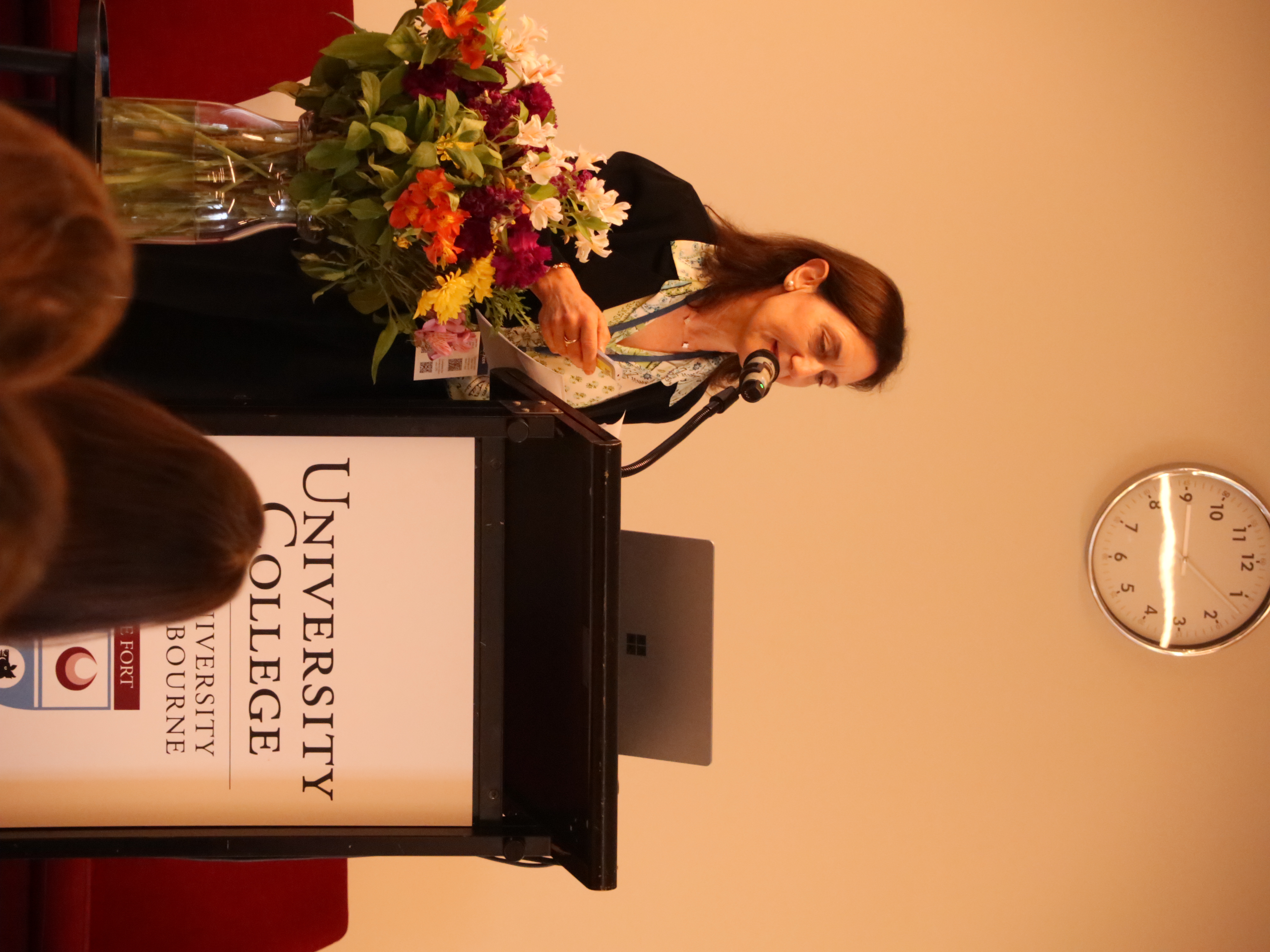
Professor Lena Sanci and the Doctors in Secondary Schools Clinical Training Team hosted their second biennial symposium in adolescent healthcare. Facilitated by Dr Simone Craig, attendees heard from experts in adolescent health and discovered the importance of operating in the "zone of fabulousness".
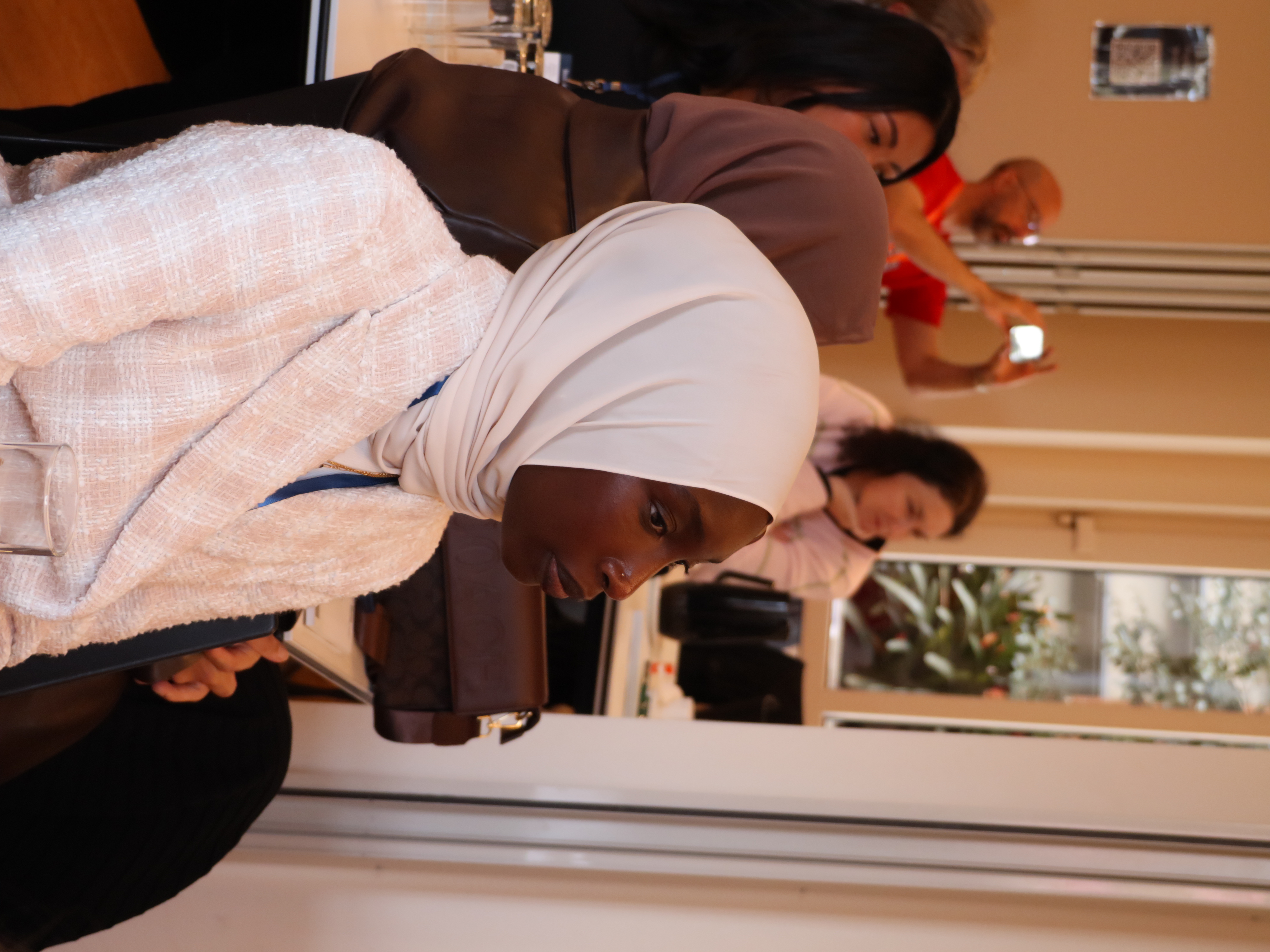
Youth advocate, Danya Daoud from the Centre for Multicultural Youth, shared stories about what it was like growing up as a young Sudanese Muslim-Australian in Dandenong and how having to help her mother navigate the health system with very limited understanding of English, has inspired her to study international relations and health science so she can improve the experiences of the CALD community.
Dr Nandi Vijayakumar, from the School of Psychology at Deakin University and the Centre for Adolescent Health at the Murdoch Children’s Research Institute spoke about the impact of social media on adolescents and shared some preliminary findings from the Australian social media ban for under 16s. Her research has so far shown that although many under 16-year-olds can still access social media platforms, such as TicToc and Instagram, parents are reporting that children who have been blocked from social media are less anxious and more engaged in family activities. The parents also report feeling more empowered when restricting social media from their young teenagers because "that's what the rules are".
Dr Bianca Forrester discussed what it means to thrive and how practitioners can support young people to thrive, especially in rural and regional areas.
Dr Felix Ritson, adolescent GP specialist from Horsham shared a case study of a vulnerable 15 year-old-boy who was falling behind in school and becoming anxious/depressed with restrictive eating behaviours as well as suicidal ideation and hallucinations of his recently deceased father. Felix highlighted the important role a country GP plays in helping to guide young people back to a place of strength as well as the diffculties faced by rural practitioners when there is no support services.
Dr Felix McMillan, consultant psychiatrist at The Royal Children's Hospital talked about using the "5 P Factors" to assess adolescent mental wellbeing and risk using the case study of "Sam". He spoke about the importance of creating a trusting atmosphere, being non-judgmental, showing curiosity and displaying empathy when connecting with a young person in crisis.
Dr Jimmy Tseng, discussed the increased role that digital healthcare tools and AI are playing in primary care, their potential benefits and the importance of trying out available tools prior to recommending them to patients. He shared a number of new tools currently available and discussed their pros and cons.
A/Prof Shane Cross talked about how mental illness is the number one cause of disability worldwide with 75% of presentations under the age of 25, and that while the cost of mental illness is predicted to hit $16Trillion by 2030, only 2% of global health budgets are dedicated towards mental heath. He then introduced Orygen's free digital mental health platform for adolescents aged 12-24 called "MOST".
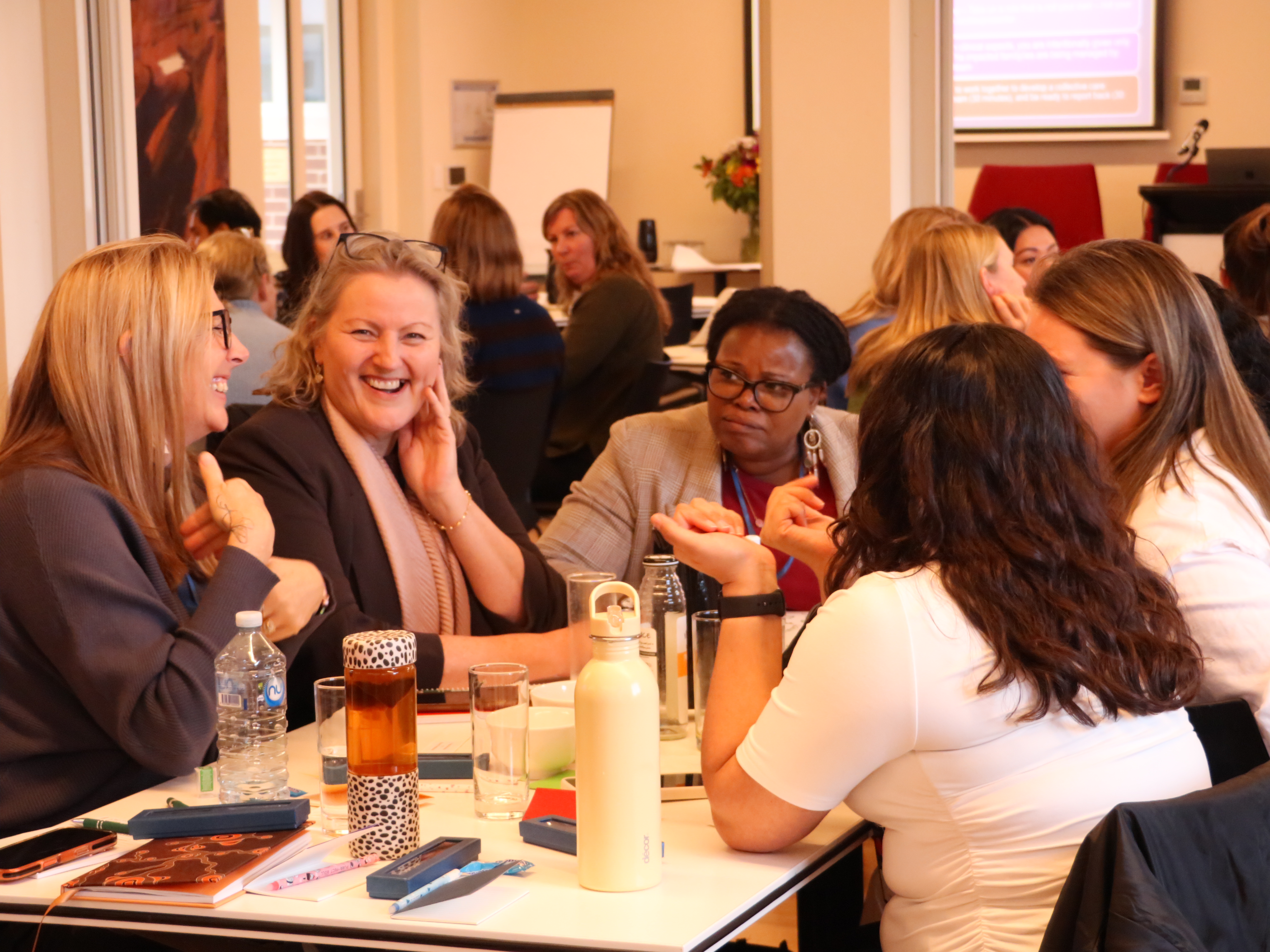
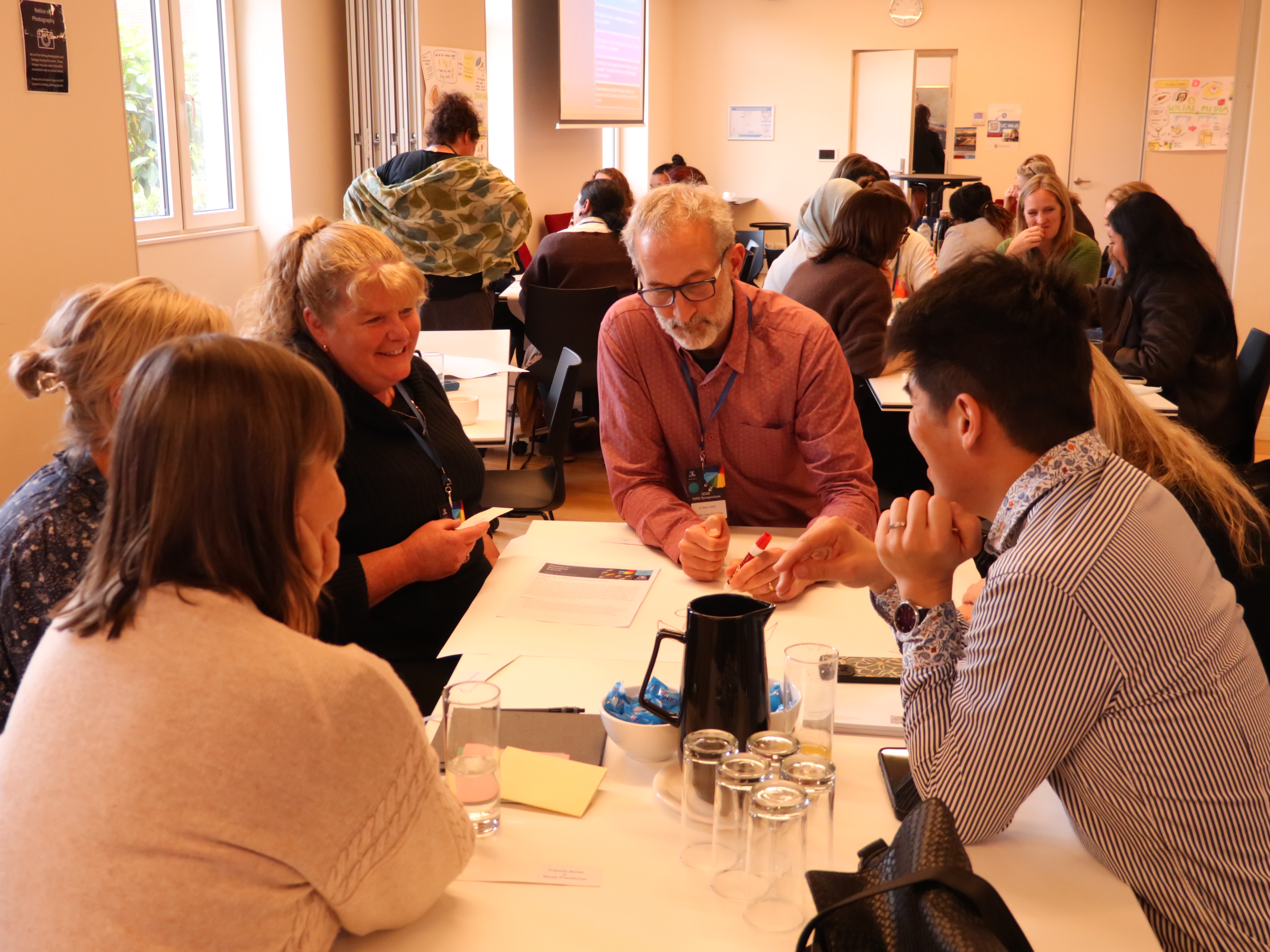
Dr Renee Fiolet led attendees through interactive activities using case studies that highlighted the importance of collective care and introduced the room to the "zone of fabulousness". The Zone of Fabulousness is the sweet spot between being too emmeshed in your client's predicament and overstepping boundaries and being so overwhelmed that you disconnect completely. The Zone requires a team effort - looking after each other and supporting each other to share the load.
|  |  |
 |  |