Do you have springtime hay fever or asthma?
We have had a fantastic response from the public! As grass pollen season is here, we are pausing recruitment until February 2027.
If you’d like us to contact you after February 2027, then please register your interest.
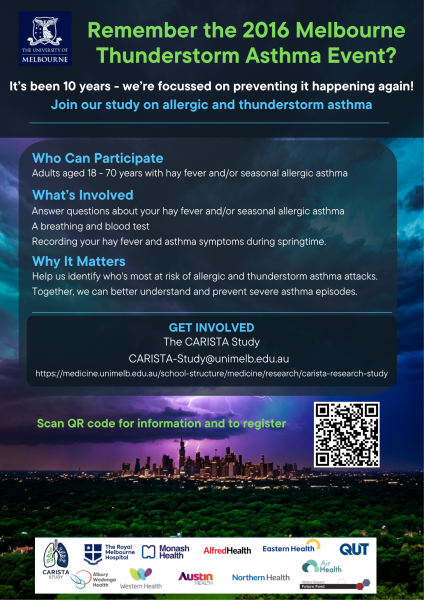

Your Involvement
▪ To attend a one-off appointment at a participating hospital of your choice
▪ Answer some questions about your Hay Fever and/or Asthma
▪ Have a breathing test
▪ Have a blood test to check if you are allergic to grass pollen
▪ Report your hay fever and asthma symptoms for the months of October to December during 2026 and 2027


Creating A RIsk assessment biomarker tool to prevent Seasonal and Thunderstorm Asthma – CARISTA Study
ClinicalTrials.gov ID NCT07055542
Thunderstorm asthma is a recurring public health emergency in South-Eastern Australia which occurs in springtime.
The major identified risk factors for thunderstorm asthma is hay fever and allergy to ryegrass pollen.
The goal of the CARISTA study is to identify the risk of springtime allergic and thunderstorm asthma in allergic adults living in South-Eastern Australia.
To do this the CARISTA Study will recruit 530 people who have hay fever and test them for allergy to ryegrass pollen and undertake simple breathing tests.
Importantly, the CARISTA Study asks participants to track their hay fever and asthma symptoms during the rye grass pollen season in south-eastern Australia (October to December) over 2 consecutive years using a secure electronic diary.
By tracking these symptoms, we aim to identify indicators (biomarkers) in the body that helps identify people at risk of worsening asthma and severe asthma during ryegrass pollen season.
This knowledge will contribute to developing targeted protective strategies and treatments to reduce the burden of springtime asthma in the community.

Funded by the Medical Research Future Fund [MRF2031254]

Professor Jo Douglass, AO
Prof Jo Douglass is the James Stewart Professor of Medicine. She also holds the position of Director of Research at the Royal Melbourne Hospital. She is a physician who trained in Respiratory Medicine and Allergy and Clinical Immunology and from 2012 to 2020 was head of The Department of Immunology and Allergy at the Royal Melbourne Hospital. She is an active clinician with clinical practice and teaching in asthma, especially severe asthma, allergic diseases, and Immune Deficiencies. She is a researcher with current funded projects in severe asthma, especially Thunderstorm asthma and immune deficiencies alongside collaborators at the Walter and Eliza Hall Institute. She is a past president of the Australasian Society of Clinical Immunology and Allergy and is a Fellow of the Thoracic Society of Australia and New Zealand. She also received the Officer of the Order of Australia (AO) in the King's Birthday Honours for distinguished service to medical research, to clinical immunology and allergy, to respiratory medicine, and to tertiary education.

Dr. Rachel Tham
Dr. Rachel Tham is an environmental epidemiologist specialising in aeroallergens, air quality, ambient noise, and health impacts. She is a Research Fellow at the University of Melbourne based in the Department of Medicine and Melbourne School of Population and Global Health. In 2024 she was a postdoctoral research fellow with the Centre for Safe Air. Rachel is CI on 2 MRFF grants ($2.9 million) and a CSA Seed Grant examining a broad range of impacts of air quality on respiratory health. Rachel’s research skills are complemented by her extensive experience as a clinical educator and academic in oral health and health service systems. She has worked extensively across universities, government, public health agencies, and the private sector in Australia and abroad.
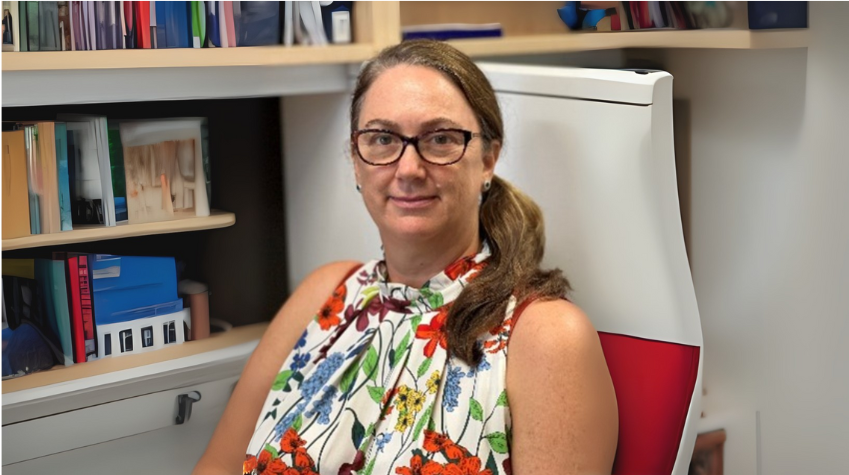
Professor Janet Davies
Professor Janet Davies BSc PhD leads a multidisciplinary Allergy Research Group at Queensland University of Technology, encompassing molecular allergology and environmental health to improve outcomes of patients living with allergic rhinitis and asthma. Janet assembled aerobiologist nationally for the NHMRC AusPollen Partnership (2016-2020), recognised as an Impact Case Study by NHRMC in 2023, and led guidelines grass pollen allergy diagnosis for the EAACI Molecular Allergology User Guide (2015 and 2022). Professor Davies is the foremost author in Asia Pacific in the discipline of pollen allergy and climate change and her research is well supported by 10 national competitive grants from MRFF, NHMRC and ARC grants, as well as government and global industry contracts. Professor Davies leads the Discovery and Biorepository Pillar and is Co-Chair of the Respiratory Allergy Stream for the National Allergy Centre of Excellence.

Professor Mark Hew
Mark Hew is Head of Allergy, Asthma & Clinical Immunology, The Alfred and adjunct Clinical Professor, Monash University
Mark qualified in Medicine at Melbourne University in 1995. He undertook a severe asthma fellowship at the Royal Brompton Hospital, immunology research at Imperial College London (PhD), and epidemiology training at Oxford University (MScEBHC). He has dual specialist registration, in both Respiratory & Sleep Medicine and Clinical Immunology & Allergy.
Mark’s practice and research focuses on thunderstorm asthma, severe asthma, and allergic disease. He has mentored 12 asthma & allergy fellows and supervised 6 PhD candidates to completion. He has $8M in grant support and 200 peer reviewed publications.
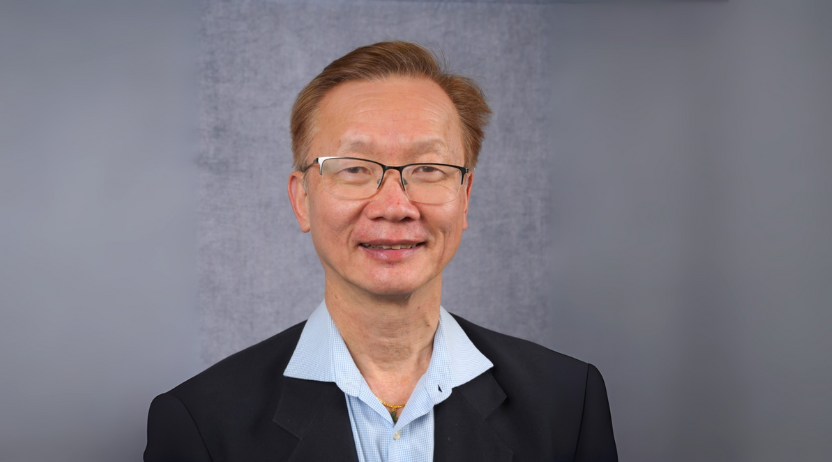
Professor Francis Thien
Professor Francis Thien is a specialist in respiratory medicine and allergy. He is the Director of the Department of Respiratory and Sleep Medicine at Eastern Health, and the Monash University Eastern Health Clinical School. His main specialty interests are allergic rhinitis, asthma, food and drug allergy, COPD, interstitial lung disease, sleep apnoea, lung cancer and general respiratory diseases. His work commitments include clinical service provision, health service management, undergraduate and postgraduate teaching, and clinical research. He has research interests in severe asthma, COPD and interstitial lung diseases, and is an invited speaker in international conferences on these topics. He has received National Health and Medical Research Council research grants in excess of AUD3.76 million and coauthored over 170 papers. He is also Past President of the Asia Pacific Association of Allergy, Asthma and Clinical Immunology (APAAACI) having been president from 2016 to 2018. Allergic rhinitis and asthma, food and drug allergy.
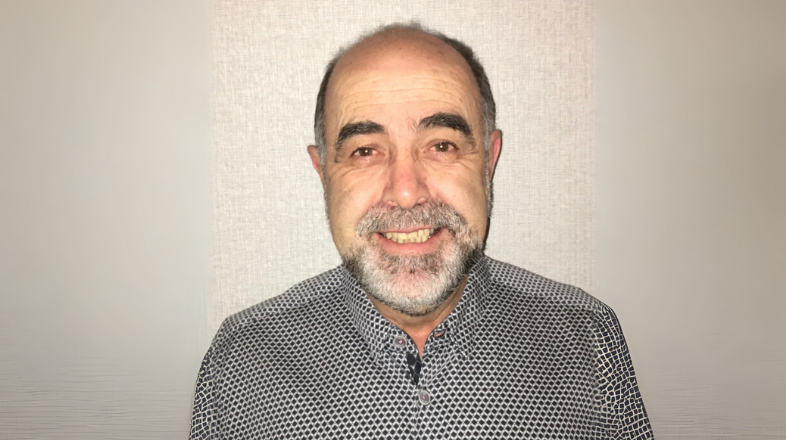
Dr Don Vicendese
Dr Don Vicendese (BSc Hons Mathematics, PhD 2015) is a full-time Research Fellow with the Allergy Lung Health Unit, Centre for Epidemiology and Biostatistics at the University of Melbourne, Adjunct Research Fellow, School of Engineering and Mathematical Sciences at La Trobe University & Honorary Fellow, Allergy and Immunology Murdoch Children’s Research Institute. He is an accredited statistician with the Statistical Society of Australia, a member of The International Association for Statistical Education and Australian Mathematical Sciences Institute, and a statistical sub-editor for the respiratory health journal, Respirology.
He brings over 13 years experience applying statistical and machine learning methods across Chronic Obstructive Pulmonary Disease (COPD), asthma, bronchiectasis, allergy, cancer, and nutrition. He collaborates across major Australian cohort studies, including TAHS, MACS, HealthNuts, The Centre for Research Excellence in Bronchiectasis in Children (BIC), and the NHMRC funded AusPollen project. He currently is developing clinical prediction models for COPD, asthma and food allergy and leads an international collaboration with ANU and the University of Tokyo to develop advanced algorithms for extracting morphological information from lung CT scans related to COPD.
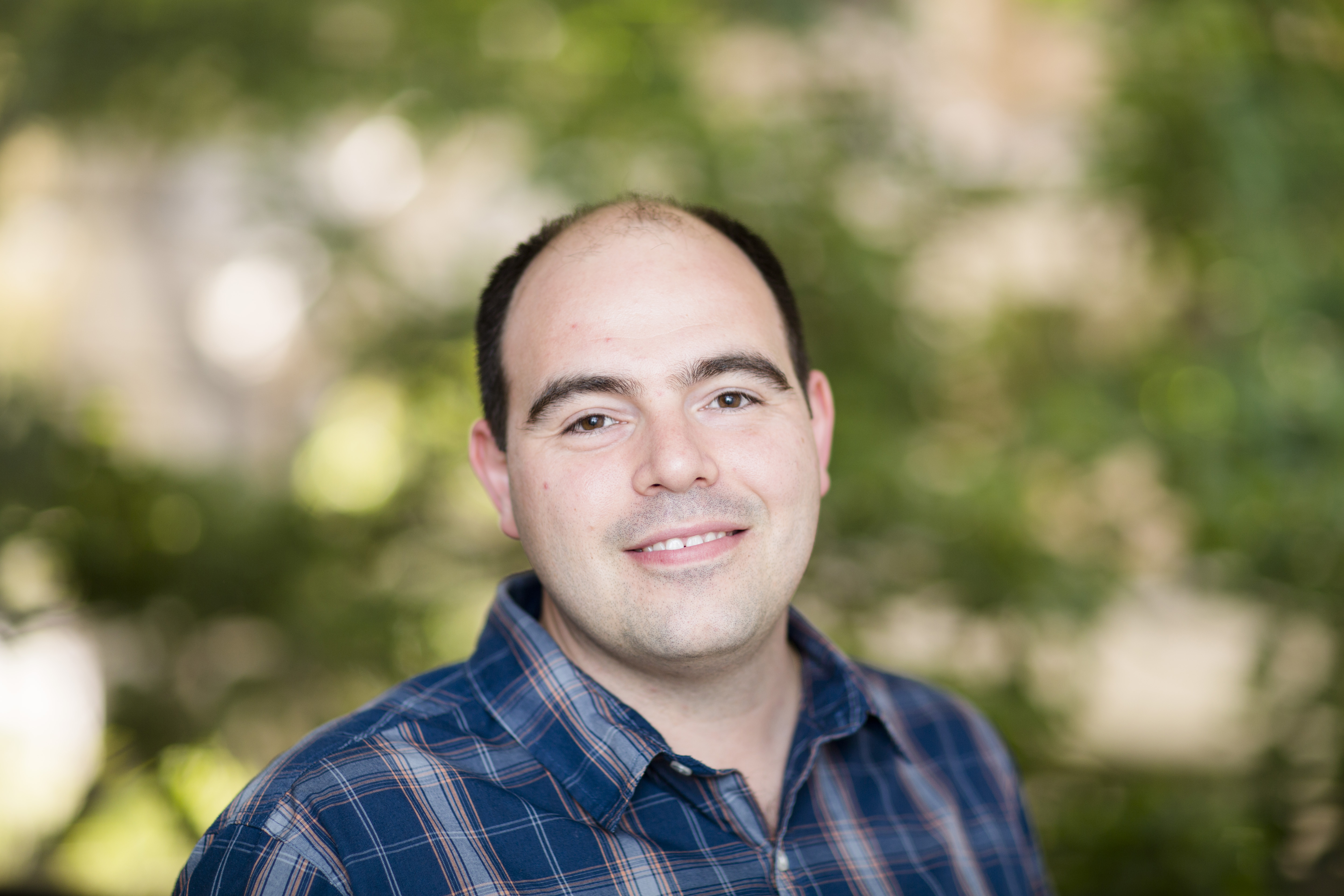
Dr Edwin Lampugnani
Dr Edwin Lampugnani is an environmental health scientist with formal qualifications in plant biology, molecular biology, and genetics. He is Chief Executive Officer of AirHealth, a Clinical Fellow in the School of Health Sciences at the University of Melbourne, a Senior Honorary Research Fellow in the Department of Medicine at the Royal Melbourne Hospital, and an Adjunct Senior Research Fellow at the Menzies Institute for Medical Research, University of Tasmania.
Edwin’s research focuses on aerobiology, environmental epidemiology, and predictive analytics for respiratory health, with a particular emphasis on pollen, smoke, and airborne allergens. He has led the development of Australia’s first thunderstorm asthma forecasting service and expanded long-term pollen monitoring networks across multiple states. He has secured more than $10 million in competitive funding, including prestigious awards from the Australian Academy of Science and the Australia and Pacific Science Foundation, and has authored over 60 peer-reviewed publications.

Dr Joanna Manton
My name is Dr Joanna Manton and I work at Albury and Wodonga Hospitals as an Emergency Medicine Specialist (FACEM). I have been a FACEM for 6 years and did my training in sunny Brisbane.
I have had a few articles published in the last 2 years in the peer review journal, Emergency Medicine Australia, and have a passion for research and writing.
In April 2025 my second book publication was released “The Diary of an Emergency Physician” by Olympia Publishers.
I am also passionate about animals, their welfare and conservation. I have many rescue animals at home. They are my world!
I my spare time I practice yoga, run and read crime thriller novels!

Professor Lena Sanci
Professor Lena Sanci (MBBS, PhD, FRACGP, Dip. RANZCOG) Is the Chair of General Practice and Head of Department of General Practice and Primary Care at The University of Melbourne. She has expertise in the co-design of interventions, implementation, and evaluation, clinical trials and cohort studies in primary care and online settings. Her specific research interests are about improving the health and wellbeing of children and young people through primary care and educational or workplace settings. She Co-Chairs the Primary Care Committee of the Melbourne Academic Centre for Health and chairs the Victorian Research and Education Network (VicREN) of over 700 general practices with a commitment to advance the discipline of primary care through research, advocacy and teaching; 140+ of these contribute their data to Patron, a secure repository in the Data for Decisions research program, University of Melbourne, of which Prof Sanci is the data custodian. Professor Sanci is the co-lead of the APPRISE network Long Covid Initiative and was the Chief GP Advisor to the Victorian Department of Health (2023-2024).
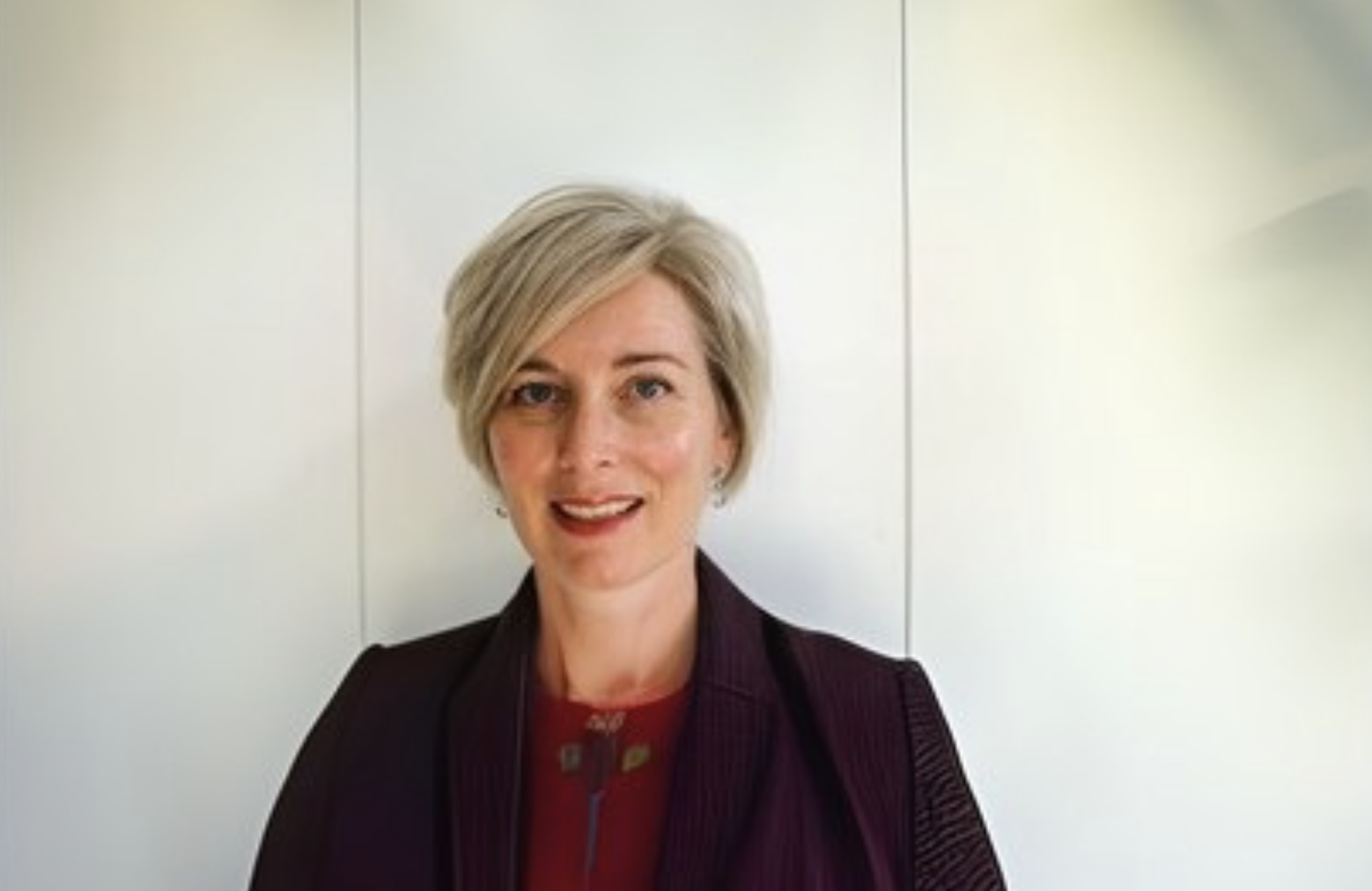
Dr Megan Rees
Megan Rees is the Head of Unit for Respiratory Medicine and Sleep Disorders at the Royal Melbourne Hospital. She is a consultant physician in Respiratory and Sleep Medicine. She completed her medical degree at the University of Melbourne, and competed general physician training at the Royal Free Hospital, London obtaining her MRCP and DTM&H from the London School of Hygiene and Tropical Medicine. She returned to Australia in 2003 to compete her FRACP qualifications specialising in Respiratory Medicine and Sleep Disorders with training at the Royal Melbourne, Alfred and Western Hospitals. To further her interest in tuberculosis Megan completed a PhD in microbiology and biochemistry at Monash University. Her project won the 2015 CSL prize for best thesis submitted in the Microbiology Department. In 2014 she was the recipient of a VESKI fellowship and undertook a post-doctoral research project at McGill University in Canada investigating protein expression in tuberculosis. More recently Megan is the RMH lead for the Australian Bronchiectasis Registry, she is a co- investigator for the FORMAT study for M. abscessus treatments and is a member of the trial steering committee for the ASCOT trial for treatments for COVID 19.She has served as part co- chair of the Royal Australasian College of Physicians COVID-19 Expert Advisory Group and was deputy chair of the Disease-Modifying Treatment and Chemo-prophylaxis Panel of the National COVID - 19 Clinical Evidence Taskforce.
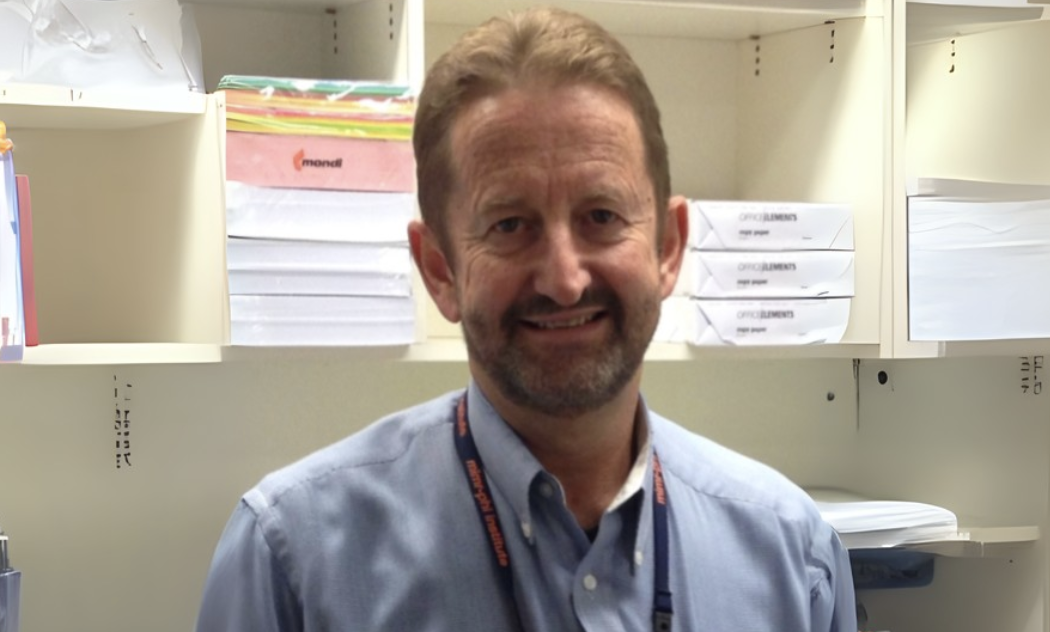
Professor Philip Bardin
Phil is a practising clinician recognised for research of obstructive lung diseases (particularly asthma-COPD). Conducted extensive research of new asthma and COPD therapies. Recently studies have included vocal cord dysfunction/inducible laryngeal obstruction (VCD/ILO), an important and common but neglected condition.
Recipient of ongoing Australian NH&MRC funding and has chaired the Australian NH&MRC Grant Review Panel (Respiratory & Sleep Medicine) and served on the NH&MRC Academy. Immediate past-Co-Editor-in-Chief of Respirology, official journal of the TSANZ and APSR. These professional activities reflect a career-long commitment to clinical research, teaching, administration and medical publishing.
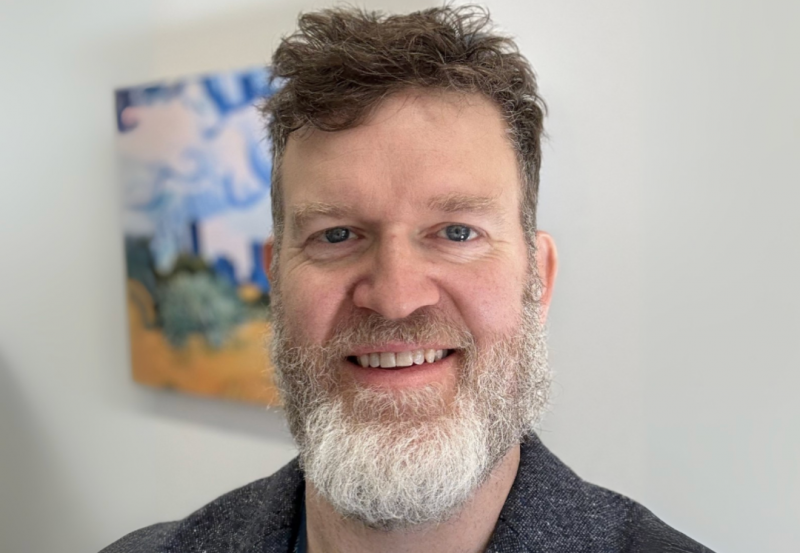
A/Prof Kymble Spriggs
A/Prof Kymble is a Specialist Allergist & Clinical Immunologist. He works as a Clinician, Researcher, & Educator at the Royal Melbourne Hospital & Monash Medical Centre as well as the University of Melbourne. He is currently the director of the Department of Allergy and Immunology at Royal Melbourne, and is the Clinical lead for the State Centre for Insect Venom Immunotherapy in Victoria.
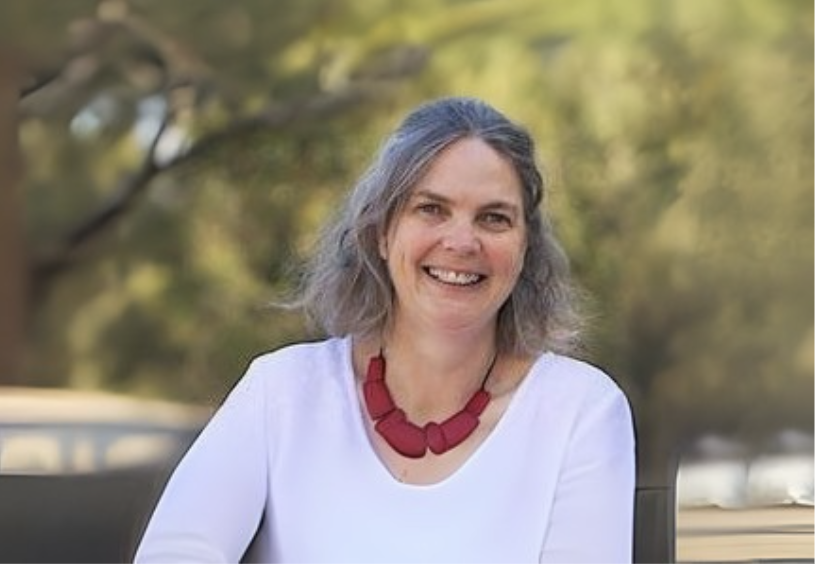
Prof. Fay Johnston
Professor Fay Johnston is public health physician and environmental epidemiologist with world leading expertise in the impacts of air quality on human health. Fay heads the environmental health research group at the Menzies Institute for Medical Research at the University of Tasmania. She is also a senior Specialist Medical Advisor for the Tasmanian Department of Health and leads the Centre for Safe Air. Recognised as a global leader in fire science in 2018, she has won numerous awards for her contributions to research, policy and practice, including the Public Health Association of Australia Tony McMichael Award and Air Quality Champion of year from the Clean Air Society of Australia and New Zealand
Professor Christine McDonald
Professor McDonald is Director of the Department of Respiratory and Sleep Medicine at Austin Health, and was honorary CEO of IBAS between 2009 and 2015. Her research interests include chronic lung disease and its management, including pulmonary rehabilitation and oxygen therapy. In June 2018, Professor McDonald became a Member of the Order of Australia for significant service to respiratory and sleep medicine as a clinician-researcher, administrator and mentor, and to professional medical organisations
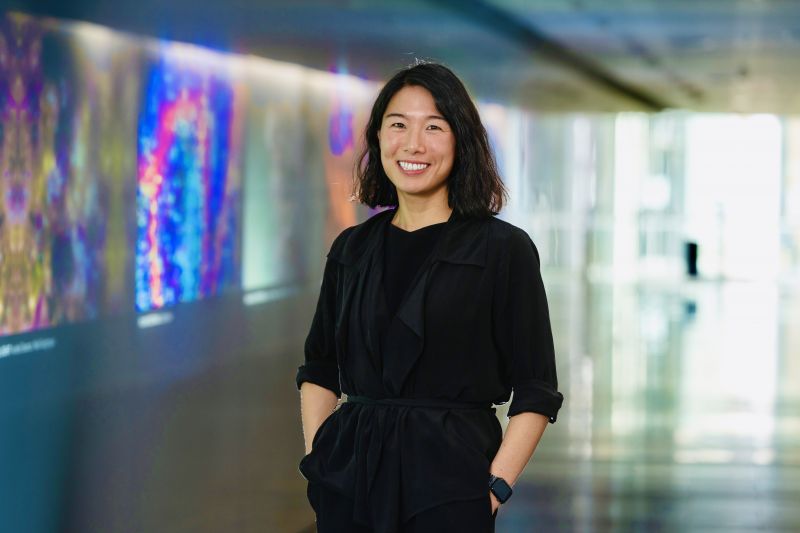
Dr Samantha Chan
Dr Samantha Chan (MBBS, BMedSci, MPH, FRACP, PhD) is the Deputy Director of Clinical Immunology & Allergy at the Royal Melbourne Hospital and Immunodeficiency Lead for the Department of Infection Diseases & Immunology at Austin Health. Her clinical and research work spans allergy, immunodeficiency, and autoimmunity, using genomic and immune profiling across conditions to reveal disease mechanisms and support targeted approaches to care.

Professor Adrian Lowe
Professor Lowe is a Dame Kate Campbell Fellow and Co-Head of the University of Melbourne's Allergy and Lung Health Unit. He is the principal investigator (PI) of the PEBBLES trial, a NHMRC funded clinical trial using a novel skin barrier intervention for the prevention of eczema and food allergy in infants. He is also a co-PI of the Melbourne Atopy Cohort Study (MACS) a family study of allergic disease, and a co-investigator on HealthNuts, a study to determine the prevalence and risk factors for food allergy. Adrian's research addresses the natural history of allergic diseases in childhood, and what might have caused the rapid rise in the prevalence of these conditions over the last four decades. His research focuses on the epidemiology of eczema, and strategies to prevent its development and progression into other forms of allergic disease.
We have had a fantastic response from the public!
As grass pollen season is here, we are pausing recruitment until February 2027.
If you’d like us to contact you after February 2027, then please register your interest.

Our Apology: Email Notification Error
We sincerely apologise for an error that occurred overnight on Wednesday 30 September 2026, which resulted in participants receiving numerous duplicate copies of our email regarding daily reports for the upcoming allergy season. We understand this was a frustrating and confusing experience, and we are sorry for the inconvenience this has caused our participants.
The issue affected only participants who took part in the 2025 allergy season. We want to reassure you that this was strictly a technical error related to how the emails were sent, and at no point was personal data or survey responses compromised. Participants' privacy has not been breached, and study data remains secure and confidential, accessible only to the authorised CARISTA research team.
The cause of the issue was a malfunction within REDCap, the secure data collection platform we use to manage the CARISTA study. A fault in the automated reminder system caused the email to be sent repeatedly rather than just once.
We have since identified and corrected the issue by reconfiguring the REDCap component responsible for scheduling and sending CARISTA emails. We have also implemented additional checks to help prevent this type of error from happening again.
We truly value everyone's participation in CARISTA and appreciate their understanding as we resolved this matter.
If you would like to discuss this issue further, or if you have any questions or concerns, please do not hesitate to contact us at carista-study@unimelb.edu.au or by phone at 0481 058 063 (CARISTA Study phone).
Thank you again for your patience and continued involvement in this study.
With sincere apologies,
Prof Jo Douglass AO MBBS FRACP MD
Co-ordinating Principal Investigator - CARISTA Study
James Stewart Chair of Medicine
Melbourne Medical School
The University of Melbourne
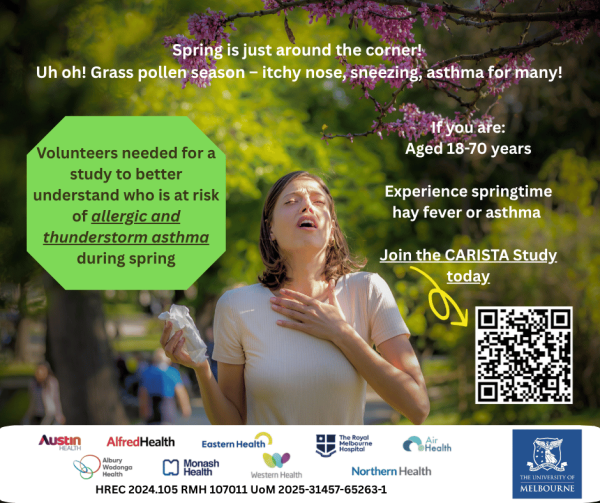
Progress update
The CARISTA Study launched in September 2025.
We are very excited to have spoken with >600 people since then and 445 are participating in our study!
We are aiming to include 590 people, so please register your interest and we warmly welcome your participation.
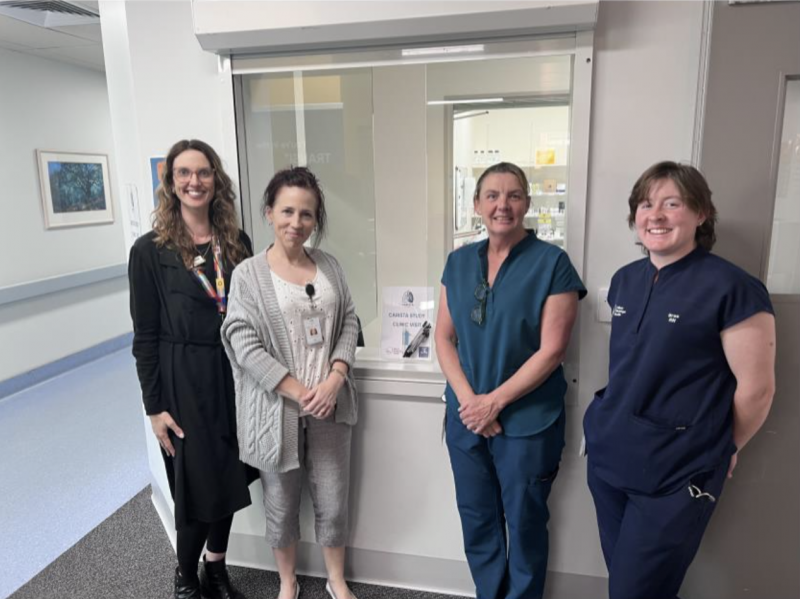
We are the CARISTA team at Albury Wodonga Health!
On 6 November 2024, our Emergency Departments experienced a significant thunderstorm asthma event. It saw record numbers of patient presentations to both of our Emergency Departments with asthma and breathing difficulties. Our regional health service has a wide catchment that includes farm and grasslands, and during the evening of 6 November 2024, thunderstorms and pollen conditions triggered a surge in asthma presentations to ED. Joanna, Karen and Bree work in Albury and Wodonga Emergency Departments.
In 2025, the Victorian Department of Health installed a pollen counter on the roof of Wodonga Hospital to hopefully predict another possible thunderstorm asthma event. This has also helped to establish optimal times for blood sampling our participants in the CARISTA study.
Albury Wodonga Health has a small, but committed research team, who are dedicated to improving care to patients and are excited to see outcomes from the CARISTA study.
This is the first time that the ED has collaborated with Melbourne University and Royal Melbourne Hospital, and we hope that this is the first of many joint projects.
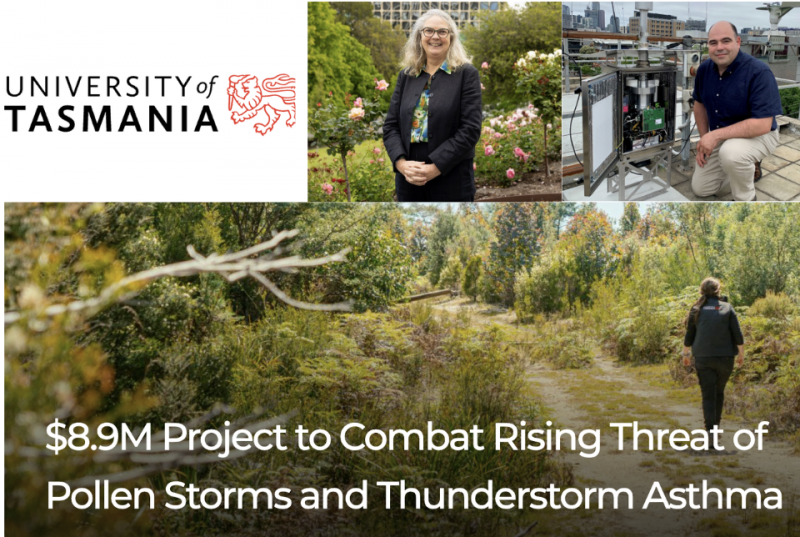
Researchers at Menzies are leading a project valued at over $8.9 million to significantly boost the national pollen monitoring network to help prevent deadly thunderstorm asthma events as climate change intensifies allergen risks.
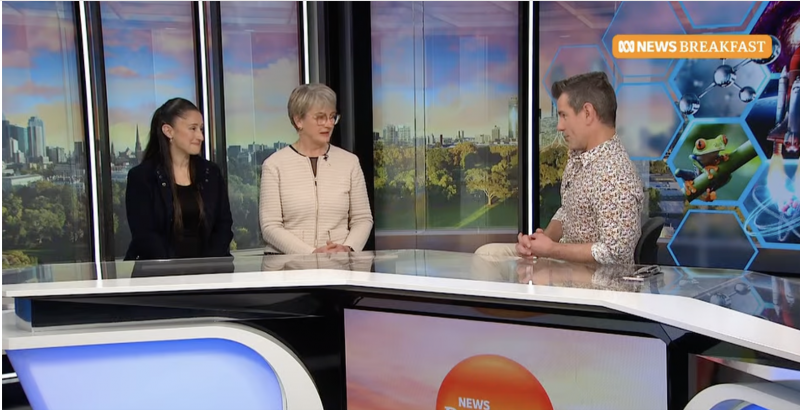
Professor Jo Douglass from the University of Melbourne and asthma patient Liz talk to News Breakfast about CARISTA, a new research trial that could help identify risk indicators through a simple blood test for asthma and seasonal allergies
Nightlife Health - Hayfever
Spring means warmer weather, longer days and the inevitable bouts of hayfever. Blooming plants with their pollen are hay fever sufferers' kryptonite.
And although it can be very frustrating, with watering eyes and an itchy nose, this time of year can trigger a condition much more serious, thunderstorm asthma.
Dr Rachel Tham, an environmental epidemiologist and researcher at the University of Melbourne, whose work focuses on hayfever, asthma, aeroallergens, and air quality, discusses with Philip Clark why some experience allergic and thunderstorm asthma.
Professor Jo Douglass was on ABC talking about thuderstom asthma and hayfever. Click on the link below to learn more!
Address
Thank you very much for participating in the CARISTA Study.
We greatly appreciate your commitment to reporting your daily hay fever and asthma symptoms in our secure portal at the University of Melbourne.
Please note: The CARISTA symptom monitoring platform is not monitored in real-time or after-hours. If you are experiencing severe asthma symptoms, please consult with your, or, a doctor or seek emergency care, as soon as possible.
This short video will show you how to enter your symptoms each day during the study using your smartphone, tablet, or computer.
If you are having any problems or have any questions, please contact the CARISTA Study team at your participating hospital site or email carista-study@unimelb.edu.au
The CARISTA Study is being led by The University of Melbourne in partnership with the Royal Melbourne Hospital, Alfred Health, Austin Health, Monash Health, Eastern Health, Albury Wodonga Health, Northern Health, Western Health, Queensland University of Technology, and AirHealth.
We aim to better understand why many people experience worse asthma or thunderstorm related asthma during springtime.