Community Reference Group
Community Reference Group
The OnTRACK Community Reference Group (CRG) is made up of Aboriginal and Torres Strait Islander community members and experienced researchers and ensures the values and practices of older Aboriginal and Torres Strait Islander peoples are upheld in the CRE. The CRG provides essential cultural guidance and oversight to all phases of our research.
-
Roslyn Malay is a Yurriyangem Taam Kija women from the East Kimberley of Western Australia. She has expert knowledge on the complex social, environmental and cultural issues that both affect and influence the health and wellbeing of older Aboriginal people in the Kimberley. She is the co-chair of the CRG alongside Uncle Harry Douglas.
-
Harold is a proud Gunnai man from south eastern Victoria. He is a research officer on the Let’s CHAT Dementia project and IRG co-ordinator, and also an Integrated Team Care Co-ordinator at the Victorian Aboriginal Health Service. Harry has worked as an aged care consultant and personal care assistant for 20 years and was also the manager of a planned activity group at the Aboriginal Community Elders’ Service (ACES) for a number of years. He was even the cook and gardener there for a while!
“I love working with my Community and in particular with Elders. I have found that taking a holistic approach to care, which might sometimes mean doing tasks outside the scope of my job description like taking people shopping, cooking them a meal, or physically taking clients to appointments, makes all the difference to my clients’ health and wellbeing. I have a lot of experience working with people on the dementia journey, and more recently have had the very personal experience of dealing with my mum’s diagnosis with dementia and the challenges of helping to care for her. I feel very strongly that the research that I’m involved with at Melbourne University is going to help my community improve their quality of life and get better, culturally appropriate support. I’m very keen to let Community know about what I’m doing and change perceptions about research and its potential value for Indigenous people, when it is conducted in a culturally and spiritually appropriate manner.”
Uncle Harry co-chairs the CRG alongside Aunty Roslyn Malay.
-
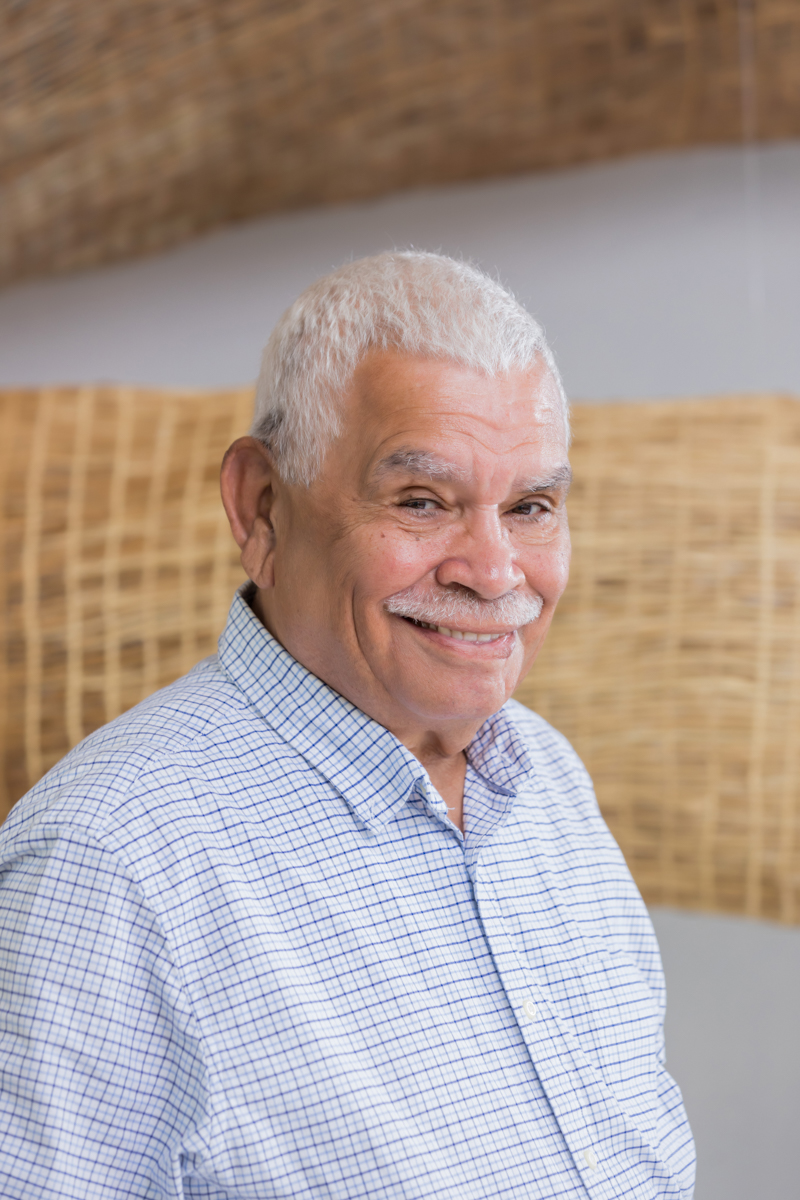
Uncle Terry Donovan OAM identifies as a Gumbaynggirr / Biripi man. His father was a Gumbaynggirr man and his mother a Biripi woman. Terry has had a diverse career, from military service, working in local government and non-for-profit community services, to providing education to health professionals on Aboriginal Cultural awareness. Additionally, Terry worked with the National Parks & Wildlife Service of NSW as one of 3 Aboriginal Sites Officers. As an Aboriginal sites officer, he travelled to all Aboriginal communities in NSW and collected information about Aboriginal Sacred sites, Aboriginal occupational sites and Aboriginal history & Culture. Most recently, Terry worked with the Aboriginal Health & Ageing Program at Neuroscience Research Australia for 8 years as a Knowledge Translation Officer, working closely with communities to collaborate on research and translation projects related to ageing and dementia.
-
Dallas McKeown is a Yuwaalaraay woman from southwest Queensland and has over three decades experience working in health and wellbeing. Dallas has leadership experience in Aboriginal community controlled health services, government health departments, primary health care management, research and ethics. Dallas has served on numerous boards, committees and advisory groups and brings her skill sets with governance, strategic planning, business planning and evaluation.
Dallas is a Board member of the Central Australia Academic Health Science Network (CAAHSN) which is an entity for Aboriginal driven research for better health and social outcomes of Aboriginal people living in central Australia and the Barkly regions.
-
Diane Cadet-James is a member of the Gugu Badhun nation of the Valley of Lagoons in North Queensland. Her lived experience as an Aboriginal person in conjunction with qualifications and experience working in the Indigenous sector informs her approach to working to improve outcomes for Aboriginal and Torres Strait Islander people.
Diane has a background in Aboriginal and Torres Strait Islander education, supporting students to reach their full potential and families to navigate the system. Her other interests lie in research, working with groups and communities to ensure appropriate research protocols are in place and assisting researchers to engage respectfully and ethically with Aboriginal and Torres Strait Islander people in the research process. Currently she is part of the Healthy Ageing Research Team undertaking a project to better understand what healthy ageing means for Torres Strait Islanders.

-
Gail is a proud and strong Kamilaroi woman. She started working at the Aboriginal Medical Service in Redfern in 1978 as a receptionist and worked her way up to Dental Coordinator. Since, she has had senior roles in the public sector, local government, the Department of Education and Training and NSW Health.
Gail was elected by the Sydney Aboriginal Community as an ATSIC (Aboriginal & Torres Strait Islander Commission) Councillor and in 2012 she was inducted into the NSW Aboriginal Health Hall of Fame at the NSW Aboriginal Health Awards. This award was presented to her by the Minister and was in recognition for over 30 years of service to Aboriginal Health.
Gail has a passion for Aboriginal affairs and helping others. Since retiring in 2015, Gail has been involved with the Jimmy Little Foundation, NeuRA (Neuroscience Research Australia), Stepping Stones House and the Aboriginal Medical Service, Redfern. Gail enjoys reading, quilting and spending time with her grandson, Isaiah.
-
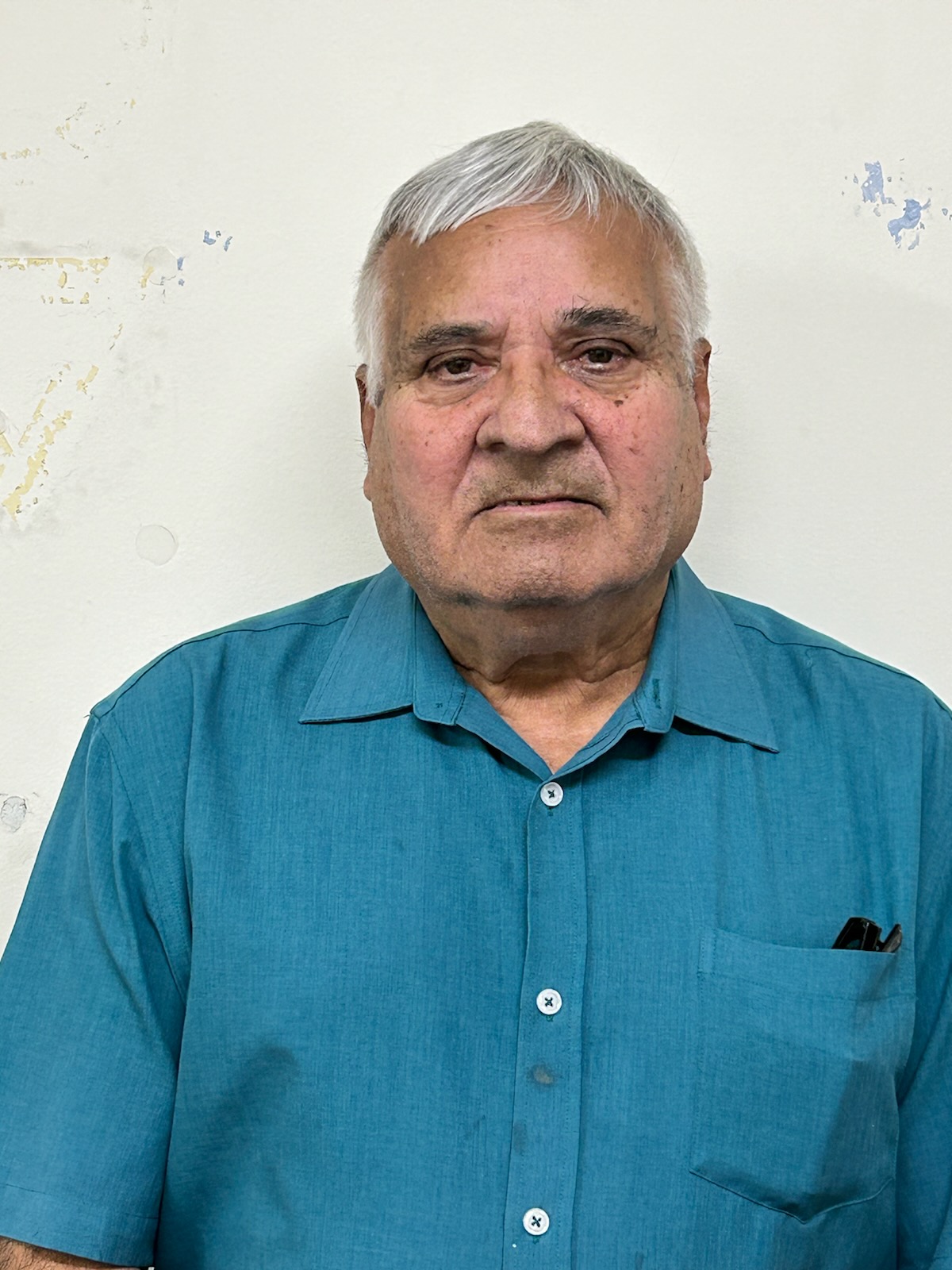
Uncle Danny is a Mutthi Mutthi and Wemba Wamba man with over 40 years’ experience working with the Victorian Aboriginal community. Uncle Danny has a background in social work, beginning with The Victorian Aboriginal Child Care Agency (VACCA) and has also worked in Koorie Services /Human Services Swan Hill in establishing the Mutthi Miah Aboriginal Family Preservation Program with Rumbalara and Morewell. He served on the Wilandra World Heritage Joint management committee for Mungo National Park in NSW for 15 years and was known as the 3TG’s as Mutthi Mutthi representative.
In 2001 Uncle Danny worked to establish the Balranald Aboriginal Medical Service in NSW. He is a long-standing committee member and has served the Special Ethics Committee for NSW Aboriginal Health Medical and Research Council as Elder’s representation since December 2004.
As of 2024 Uncle Danny has joined the Victorian Treaty process as one of the Elders of the Elders Voice for Treaty Group. He is currently working on The University of Tasmania “Privileging the spirit, voices, and culture of Aboriginal people in dementia care and is a voice on the OnTRACK Community Reference Group at the University of Melbourne.
-
-
-
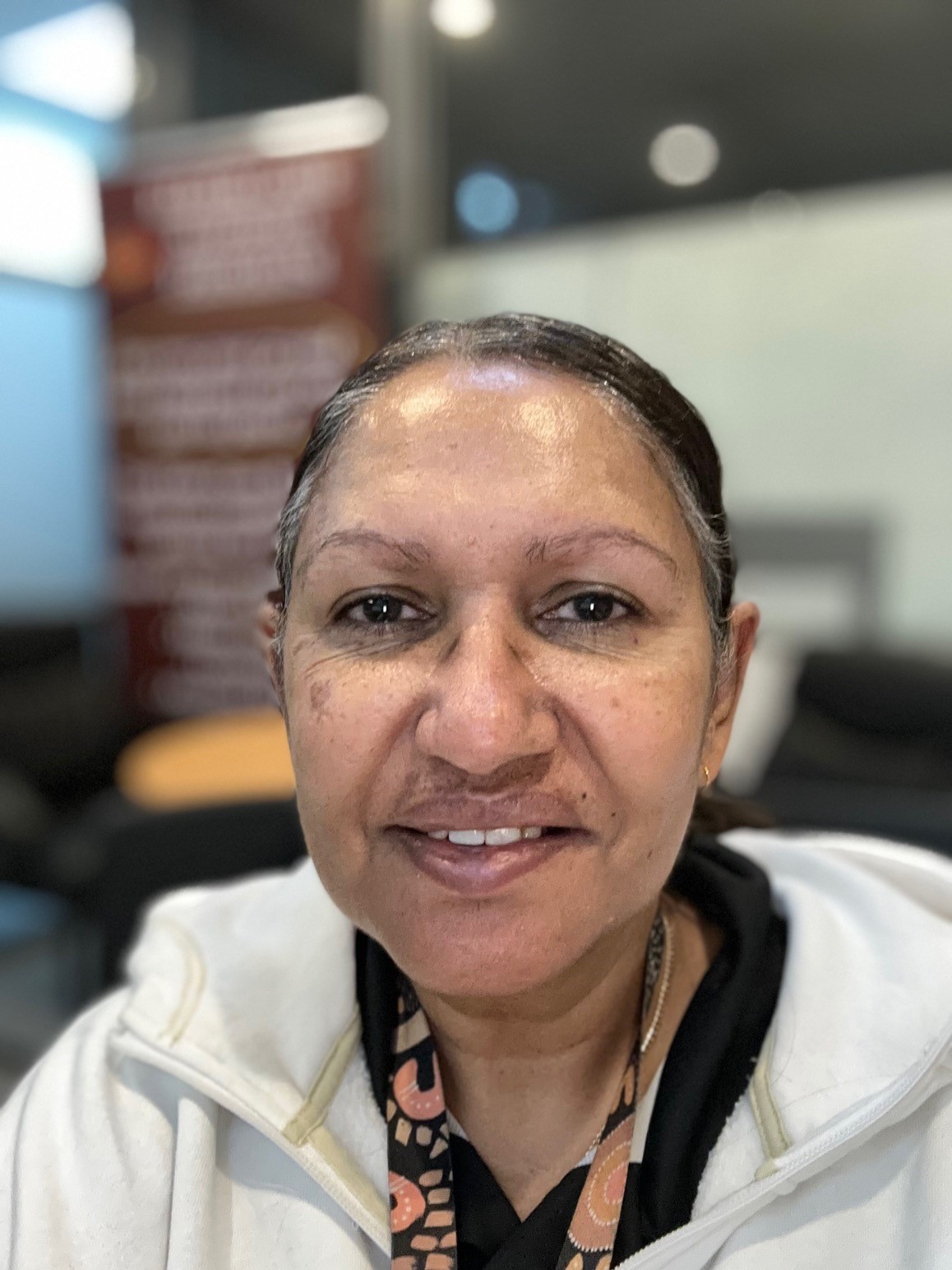
Tracey Eades, is a Noongar woman from the Great Southern Region of WA. She has been living in Melbourne for the last four years and working at the Victorian Aboriginal Health Service where she is currently the Elder Care Support Coordinator for My Aged Care support and services. She is excited to be involved with the OnTrack Community Reference Group and am looking forward to contributing to safe and effective research for Aboriginal and Torres Strait Islander people.
-
Miriam Cleary is an Eastern Arrernte and Gurindji woman and the Family and Community Coordinator with the Advocacy and Research team at Dementia Australia, in the Northern Territory, prioritising the importance of genuine connection and assistance to everyone who’s impacted by dementia.
Her work focuses on raising awareness of dementia, providing education, and ensuring information delivered in a community-led, culturally centred, and respectful ways. Miriam also has a strong interest in emerging dementia research, including biomarkers, and how these advances can translate into meaningful outcomes for communities.
She continues to strengthen partnerships with local communities, health providers, researchers, and other external stakeholders with a vision of improving dementia knowledge, reducing stigma, and supporting better outcomes for families across the NT.
Miriam values the opportunity to work together with Aboriginal and Torres Strait Islander families, communities, community health services, and local community Councils in rural, regional, and remote areas. Each visit to individual communities helps her to listen, learn, and provide information that is culturally safe and meaningful for the community.
Her work is grounded by lived experience as a former carer of a family member with dementia and Miriam genuinely believes taking the time to include families, carers, and community into the conversation about dementia, dementia care, and aged care is a safer way for everyone.

-