Supporting Young-Onset Dementia: Findings from the Joint Solutions Project
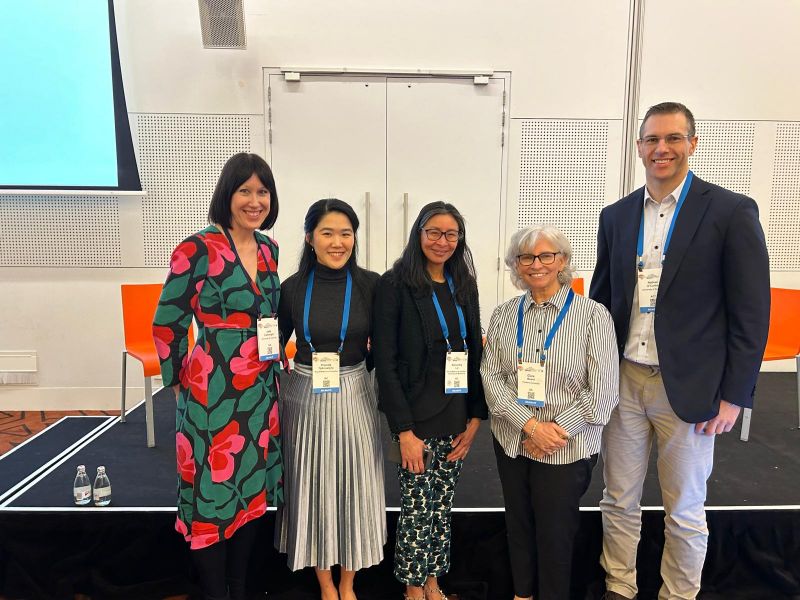
The Joint Solutions Project, funded by the Commonwealth Government and led by the Young People in Nursing Homes National Alliance, is nearing completion. This initiative is focused on addressing the care and support needs of people living with young-onset dementia (YOD) and their families.
The Joint Solutions Project, funded by the Commonwealth Government and led by the Young People in Nursing Homes National Alliance, is nearing completion. This initiative has been conducted in collaboration with researchers from the Department of Psychiatry at the University of Melbourne, whose expertise in dementia care and mental health systems has been instrumental in addressing the care and support needs of people living with young-onset dementia (YOD) and their families.
Young-onset dementia refers to the onset of dementia symptoms at or below the age of 65, often affecting individuals in their 50s who are balancing active personal and professional lives. The Department of Psychiatry’s involvement underscores the University’s dedication to advancing research and shaping policy for better health outcomes.
The research highlights significant gaps in the care journey—spanning pre-diagnosis, assessment, and post-diagnosis pathways. Key findings include:
- Complex and lengthy diagnostic processes, with frequent misdiagnoses as mental health conditions.
- Low GP awareness of young-onset dementia, as reported by 50% of individuals.
- Limited support services for caregivers, with insufficient options tailored for family care partners.
- Lack of access to allied health, peer support, and cognitive rehabilitation at the point of diagnosis.
- Only 12% of families with dependent children received support, despite 52% of people with YOD living with children.
- Inadequate age-appropriate accommodation and poorly trained support staff in supported living arrangements.
- Challenges accessing the National Disability Insurance Scheme (NDIS), compounded by administrative burdens and inadequate support options.
Recommendations
Informed by these findings, the project advocates for:
- A dedicated case navigator from the point of diagnosis.
- Universal access to streamlined and equitable services nationwide.
- Enhanced diagnostic and post-diagnostic services, especially for diverse groups.
- Expanded access to age-appropriate day programs, respite care, and trained staff in supported accommodation.
The University of Melbourne’s Department of Psychiatry remains at the forefront of addressing complex mental health and neurological challenges, contributing impactful research to improve health systems and services. For further details, explore the full reports at: