
About Us

Our Team
The University of Melbourne Medical School’s Sustainable Healthcare Team is made up of senior clinicians, academics and researchers with extensive experience in sustainable healthcare, transformational change and policy influence.
Our team of experts works to transform healthcare through promoting prevention, evidence-based efficiencies, sustainable models of care and circular economies by co-designing and implementing real world solutions with healthcare policy makers, researchers, practitioners, organisations and industry.
We lead the Sustainable Healthcare stream of the University’s Climate CATCH (Collaborative Action for Transformative Change in Health and Healthcare) Lab.
News & Events
Research in Sustainable Healthcare
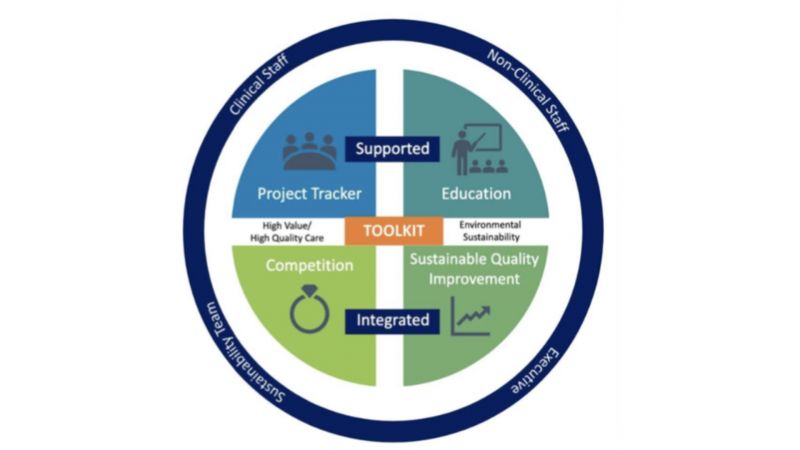
Sustainability Toolkit for Hospitals
Healthcare Carbon Lab
The Healthcare Carbon Lab (HCL) confronts the pressing challenge of healthcare's environmental footprint. With healthcare responsible for a significant portion of Australia's carbon emissions and waste, the HCL aims to revolutionise sustainability within the sector.
By measuring waste, carbon emissions, and energy usage in hospitals, the lab pioneers innovative solutions to mitigate environmental harm while upholding patient care standards.
Climate CATCH Lab
Climate change is the single biggest threat to health and healthcare systems. We accelerate the University of Melbourne's climate change and human health research, engagement and education for enhanced impact.
The Climate CATCH Lab is a joint initiative of the University of Melbourne School of Population and Global Health and Melbourne Medical School, within the Faculty of Medicine, Dentistry and Health Sciences, and Melbourne Climate Futures.
Study Sustainable Healthcare and Climate Health
Graduate Certificate in Climate Change and Health
The Graduate Certificate in Climate Change and Health program unravels the interplay between climate change and global health.
Through engaging coursework, you'll not only grasp the intricate interplay between environmental shifts and human wellbeing but also sharpen your skills as a discerning evaluator of climate research and policies. Explore the diverse perspective of stakeholders, from healthcare professionals to policy makers and beyond, as you dissect the roles each plays in shaping our response to this urgent global challenge.

Sustainability and Healthcare (POPH90304)
Human social, mental and economic health is intimately connected with, both positively and negatively, our footprints on the earth. The healthcare system and associated professions are (i) contributors to the problem of anthropogenic climate change, (ii) are impacted by it and are (iii) part of the solution towards a more sustainable society. This subject recognises the need to urgently formulate adaptation and mitigation strategies, thereby addressing the global climate change emergency, through the lens of sustainable healthcare.
This subject is available as an elective in the Graduate Certificate in Climate Change and Health, Doctor of Medicine and Master of Public Health.
Disaster and Terror Medicine
Disasters and terror events are taking place with increasing frequency across the globe. In Melbourne, Australia we have experienced a number of natural disasters associated with bushfires, thunderstorm asthma, COVID-19 and terror events such as the Bourke Street Mall attack, all within a three-year period.
Our courses in Disaster and Terror Medicine provide you with an evidence-based introduction to the key elements of this specialty.

Engage With Us
Health Service Environmental Sustainability Competition
The University of Melbourne 2025/26 Health Service Environmental Sustainability Competition, coordinated by the Melbourne Medical School’s Sustainable Healthcare Team, enables participating health services to engage both clinical and non-clinical staff, providing resources to support the creation of impactful and financially viable sustainability initiatives.
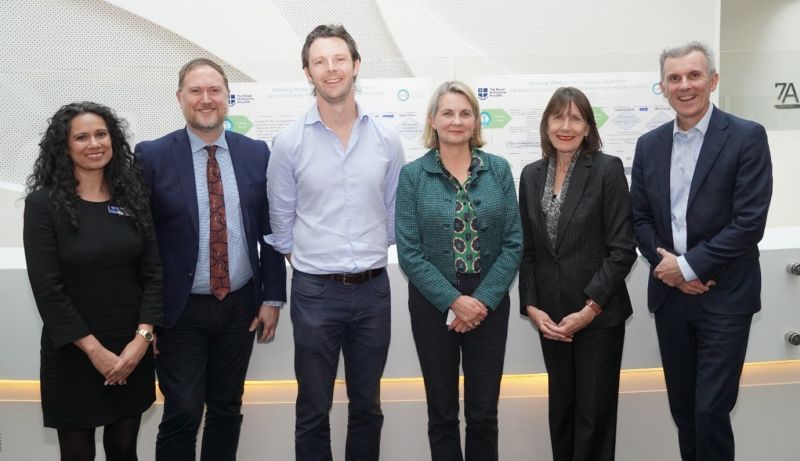
Sustainability in Quality Improvement
The University of Melbourne is an established Sustainability in Quality Improvement (SusQI) beacon site and member of the SusQI Academy as recognised by the Centre of Sustainable Health Care (CSH). The SusQI Program is accredited by the Centre for Sustainable Health Care in Oxford, United Kingdom, a world leading centre for sustainable healthcare research and practice.
Sustainability and Planetary Health Action Network
We host the Melbourne Medical School Sustainability and Planetary Health Action Network (SPHAN) to:
- Develop and support research, education and engagement in sustainable healthcare and planetary health across MMS and affiliated clinical institutions.
- Facilitate collaborations across the University, with affiliated clinical institutions, external partners, government and the broader community to develop and promote initiatives.
- Accelerate practice and policy changes to support sustainable healthcare and planetary health.
If you would like to be a member of SPHAN and receive direct updates please contact mms-sphan@unimelb.edu.au.

Sustainable Healthcare Grand Rounds
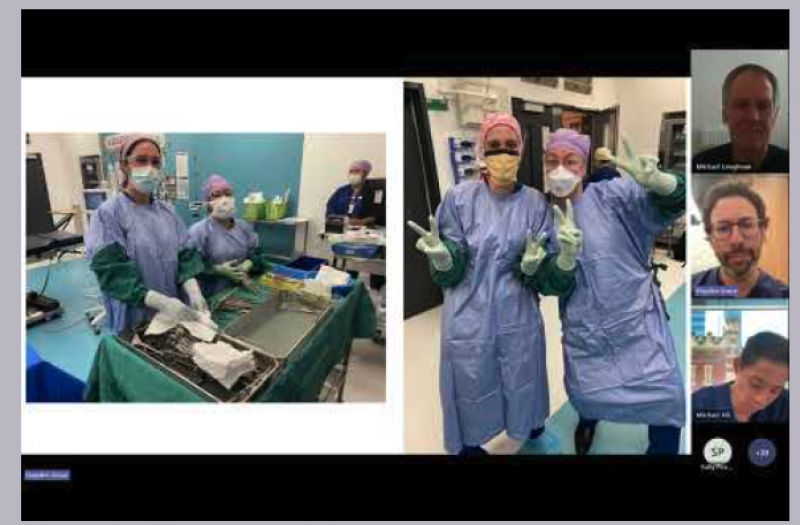
The Sustainable Healthcare Grand Rounds are a virtual platform for educating university staff and healthcare workers on how to improve the delivery of sustainable healthcare. These 60-minute quarterly meetings feature presentations by guest speakers and provide an opportunity to share learnings, understand what is being delivered and what more can be done. In addition, they provide an open Q&A to discuss and assist each other to overcome barriers.