By Sarath Ranganathan FAHMS, Head of the Melbourne Medical School

Given the rapid change of the world today, I was asked to speculate about what the future of medicine might look like – and some of our plans in the school.
The future of medicine will likely be shaped by technological acceleration. So, at Melbourne Medical School, we’re rethinking how we teach to prepare doctors for that future world.
Physicists speak of ‘jerks’: the acceleration of acceleration. In medicine, that means breakthroughs won’t just arrive faster – they’ll reshape practice more abruptly at exponential pace.
Our Medical School graduates will be expected to use new tools, data streams and models of care that didn’t exist when they entered the University.
Tomorrow’s doctors will practice in a world saturated with information. AI-powered diagnostics will deliver the latest best practice, research evidence and safety advice via an earpiece as doctors do their hospital rounds. Hospital-in-the-home and wearable devices will transmit real-time health observations to doctors, while patients themselves will arrive at specialist appointments with pages of MedTech-generated insights.
In this future, the best clinicians won’t be the ones who know every possible diagnosis. They’ll be the ones who can interpret complex data, communicate diagnoses and treatment options clearly and compassionately, and build trust with patients who put their faith in ‘Dr Google’ or its successors.
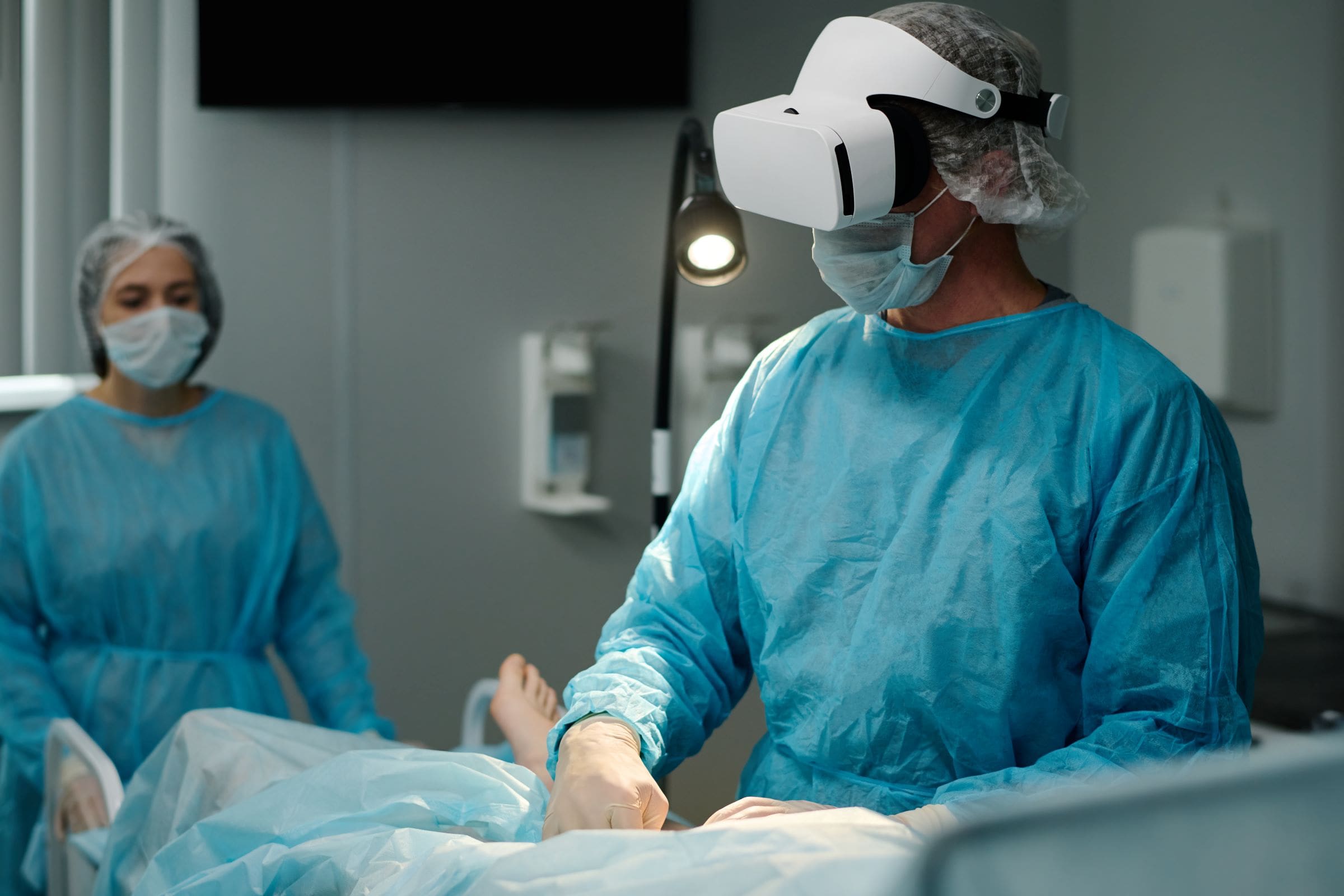
The future of medicine will be human-led and tech-enabled, which is why Melbourne Medical School is shifting how we prepare students.
Our students will need to apply both sets of skills to their missions of curing chronic diseases, focusing on prevention and transforming health care. This is critical if future doctors are to ensure that tech enhances equity, rather than promulgating existing injustices.
This is why we will soon begin experimenting with new teaching technologies like virtual reality. We’re also redefining what excellence looks like – empathy, adaptability, emotional intelligence and the ability to learn independently are just as important as academic brilliance.
Credit: Peter Casamento
A front-row seat to MedTech innovation
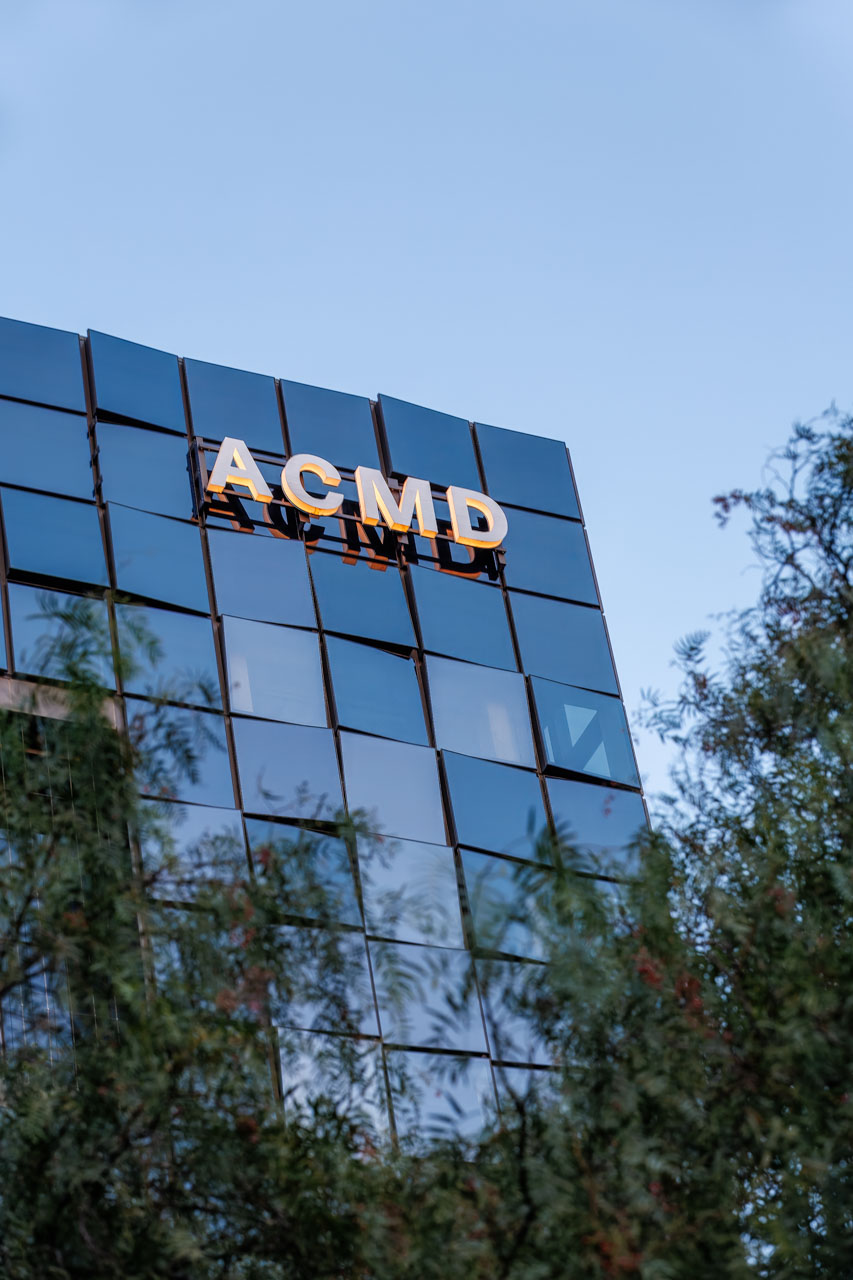
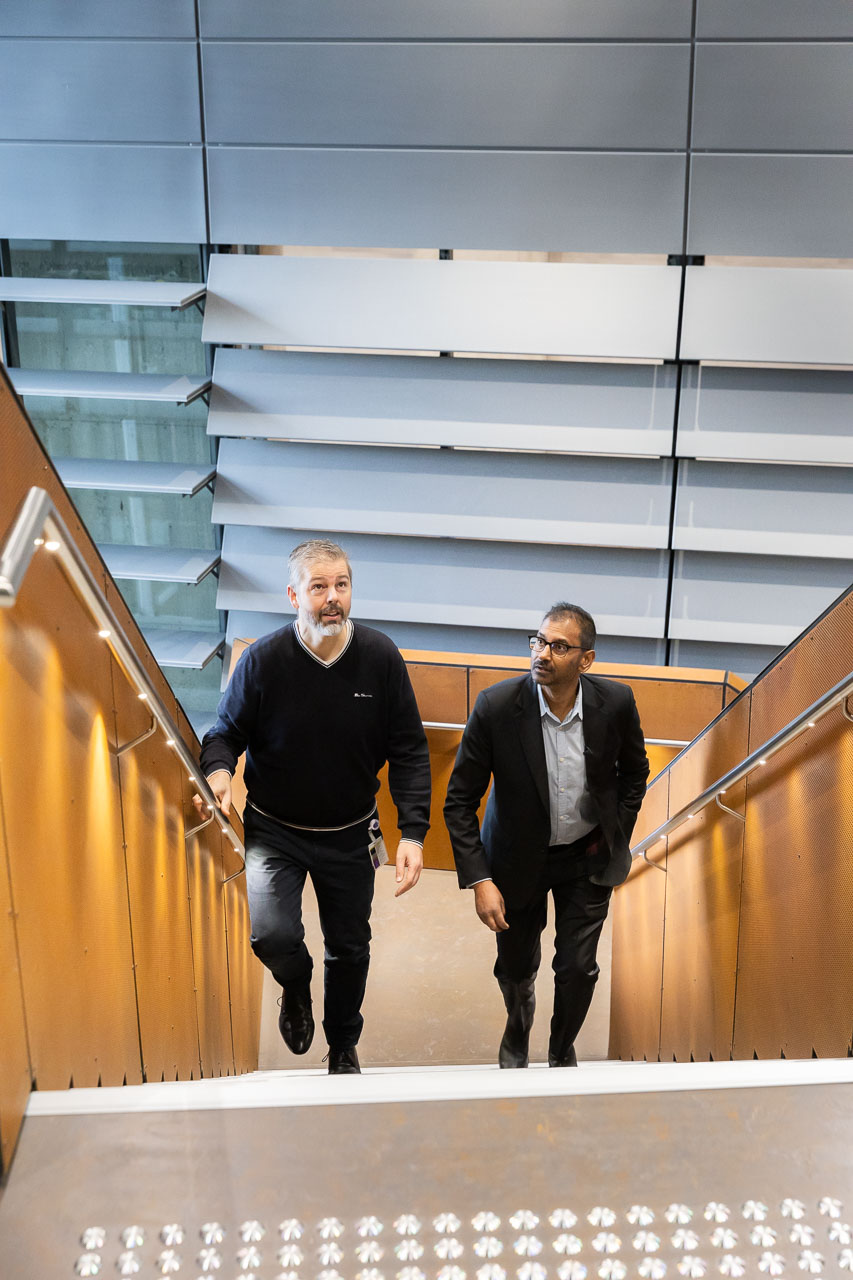
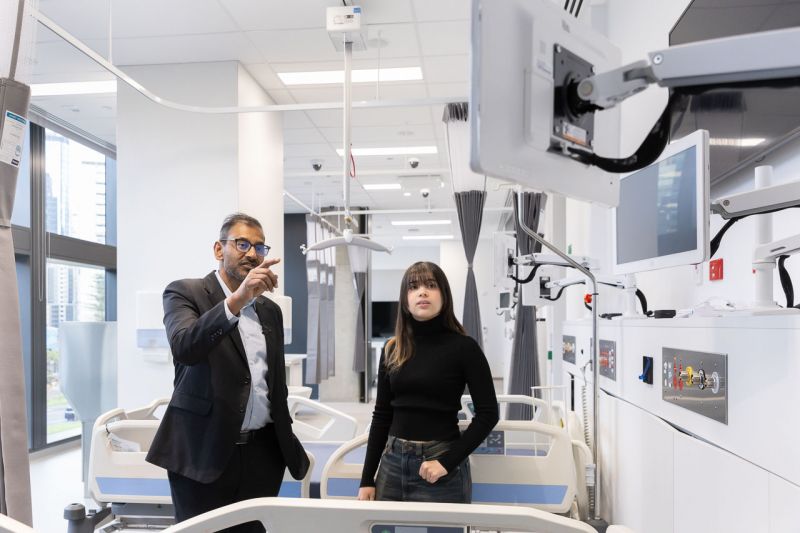
If tomorrow’s doctors need to be fluent in evolving technology, we must immerse them in places where innovation happens. So, we are moving the St Vincent’s Clinical School to the new Aikenhead Centre for Medical Discovery (ACMD), which opens later this year. There, our students will engage directly with cutting-edge MedTech development in a clinical simulation lab.
Located on the St Vincent’s Hospital campus, the ACMD will bring together clinicians, major universities, leading research institutes and MedTech companies to co-develop new medical technologies and accelerate their translation into real-world care. Its proximity to a working teaching hospital offers a critical advantage – students, researchers and engineers can work side-by-side with clinicians and patients, turning ideas into impact through faster benchtop-to-bedside trials.
At the ACMD, undergraduates will interact with biomedical engineering PhD students and developers to learn about the future of MedTech. They will be mentored by clinical researchers and have opportunities to become future agents of change – all within the world-leading Melbourne Biomedical Precinct.
Redefining what makes a great doctor of the future
We also need to evolve what qualities we look for in future doctors and we will collaborate with colleagues at the School of Psychological Sciences to better understand and assess emotional readiness to practice medicine in this future world. Whether in conversation with a patient about health-promoting activities or leading a team in surgery, tomorrow’s doctors must combine technical competence with empathy and emotional insight. So, we’ll be focusing on developing these in our students.
Approaching healthcare as a team sport
As patients live longer and present with more complex, interrelated conditions and co-morbidities, no single discipline will be able to meet their needs in isolation. Hospitals will increasingly deploy large, interdisciplinary teams of doctors, nurses, allied health professionals and psychologists to deliver coordinated, patient-centred care. New disciplines such as medical technologists may be required to support them.
This means we can no longer train doctors in silos. Instead, we need to teach them in the collaborative environments where they’ll be expected to work. The faculty’s Collaborative Practice Centre is driving curriculum change with modules, workshops and interprofessional training. And the the interprofessional training the the ACMD’s Interpact@StV’s program will be one way in which we are helping students build the communication, leadership and teamwork skills essential to effective care.
We are shifting further away from traditional, fact-based assessments towards evaluations that require teamwork, communication and collaboration.
In 2022, we removed ranked grading, so students are no longer in direct academic competition. Instead, they’re encouraged to work in teams, support one another and reflect the values that we want to see in clinical settings – cooperation, compassion and shared accountability.
A great example of collaborative effort is our annual student conference, designed and run by a team of more than 70 people. This year’s conference included a stream on ‘humour in medicine’ and another on ‘stigma’ – a strong signal that our students are focused on the humans they are treating.
Shaping doctors for a future beyond our imagination
The next generation of doctors need to be fluent in technologies whose potential we are only just beginning to understand, while also staying grounded in the human connections that define great care. By embedding our students in cutting-edge innovation environments like the ACMD, by redefining how we select and assess talent and through fostering interdisciplinary, team-based learning, we’re preparing doctors to practice a very different type of medicine. When they do master this, we hope they will remain engaged with the Medical School so they can update and upskill their teachers!
Listen to Professor Ranganathan’s MMS Network podcast, featuring conversations with students, staff and alumni who are shaping the future of medicine and education.
Bastas Academy and scholarship offer
In February 2025, the University of Melbourne launched the Bastas Academy for Health Leadership to address critical leadership and workforce challenges facing the global health sector.
The Academy is an innovative cross-disciplinary partnership between the university’s Faculty of Medicine, Dentistry and Health Sciences and Melbourne Business School. It provides world-class leadership development programs to upskill and empower health professionals to drive innovation, collaboration and excellence across the industry.
The Academy currently offers four intensive short courses:
- Activating your Leadership in Health
- Health Leadership for Impact
- Leading through Complexity in Health
- Leading Innovation and Transformation
These courses, custom-designed by world-leading health and leadership experts, are tailored for current and emerging leaders across health disciplines, and clinical, allied health, aged care, government, industry and research roles.
Scholarships covering up to 75 per cent of course fees are available for eligible applicants, who must be Australian citizens or permanent residents.
Register Your Interest for the 2026 Bastas Academy for Health Leadership courses