By Justine Costigan
New orthopaedic surgical techniques and interventions are giving children living with cerebral palsy the chance to stand, walk, jump and run – dependent on their pre-existing level of disability.
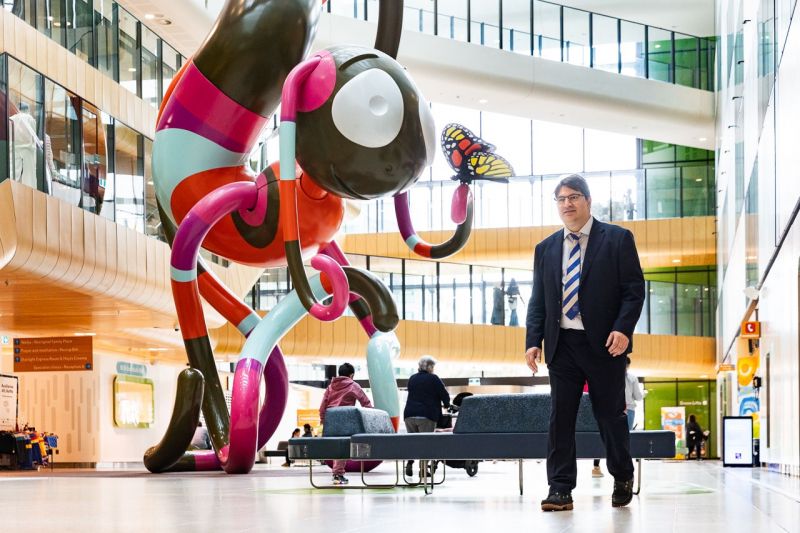
Strolling through the Royal Children’s Hospital (RCH) in Melbourne with Associate Professor Erich Rutz is an eye-opening experience. The hospital foyer is busy, but the musculoskeletal issues associated with cerebral palsy are immediately obvious to Associate Professor Rutz, a Swiss trained paediatric orthopaedic surgeon with more than 20 years’ experience. Even for a layperson, the specific physical disabilities – twisted limbs and distorted posture – are easy to spot when you know what to look for.
Cerebral palsy affects a person's ability to control their muscles, leading to difficulties with movement, coordination, muscle tone and posture, as well as possible related communication, cognitive and perception issues. It’s the most common cause of life-long physical disabilities in developed countries and typically around 1.5–3 per 1000 live births of the population in these countries are born with the disorder, or develop it in infancy.
The childhood stress of ‘birthday syndrome’
One year it might be a foot problem, the next a knee, a year later a child’s hips might need attention. They miss school. They have multiple periods of rehabilitation. It’s not good. Associate Professor Erich Rutz
For many people, a diagnosis of cerebral palsy means a lifetime of surgical interventions and a childhood marred by lengthy and recurring hospital and rehabilitation stays. It’s been ironically named the ‘birthday syndrome’ thanks to its annual surgeries.
“One year it might be a foot problem, the next a knee, a year later a child’s hips might need attention. They miss school. They have multiple periods of rehabilitation. It’s not good,” says Associate Professor Rutz.
The impact of these interventions on a child’s physical and mental health, education and quality of life is immense. As any parent or carer who’s spent time in a hospital with a sick child knows, it’s stressful. Plus, there’s the anguish of seeing your child missing ordinary childhood experiences, including the basic ability to walk, run and jump.
Forging better lives and reducing surgeries
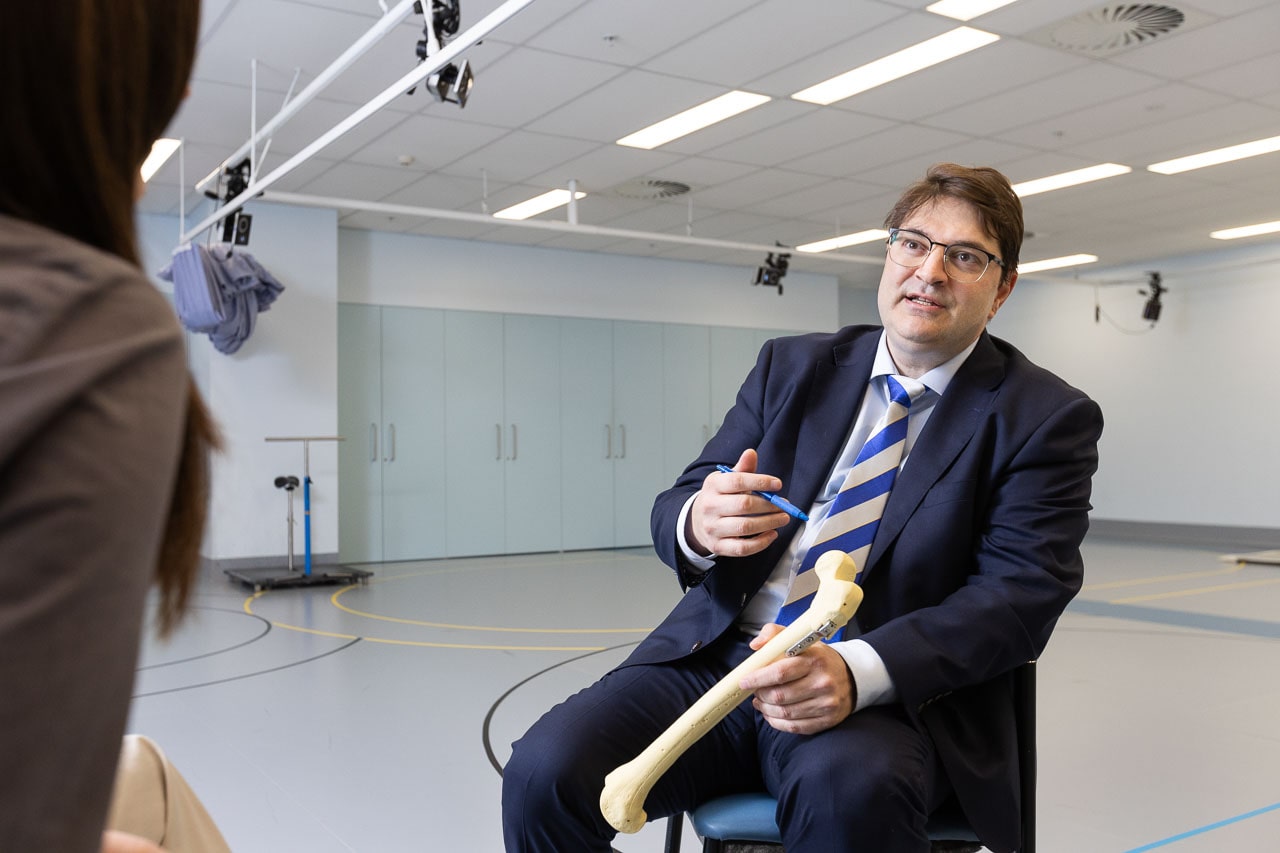
Minimising the need for annual surgery and creating a better quality of life for children living with cerebral palsy has been the focus of Associate Professor Rutz’s clinical and research work for more than two decades. In 2009, he moved to Australia from his home in Basel, Switzerland to work as a research fellow in the Hugh Williamson Gait Laboratory at the RCH for 12 months. His focus was analysing the outcomes of single-event multilevel surgery (SEMLS), a new approach to surgical interventions that aims to reduce the number of surgical events needed and the time spent in hospital and rehabilitation.
A single – albeit very complex – operation that can last up to five hours, SEMLS addresses soft tissue contractures and bony deformities at the ankle, knee and hip in both legs. Associate Professor Rutz’s work has helped establish SEMLS as the recommended procedure.
The results speak for themselves: “The child is, in general, able to stand and start walking the day after the surgery,” he says.
When they can walk, maybe for the first time, even a few steps, after a big procedure, that's very rewarding. Associate Professor Erich Rutz
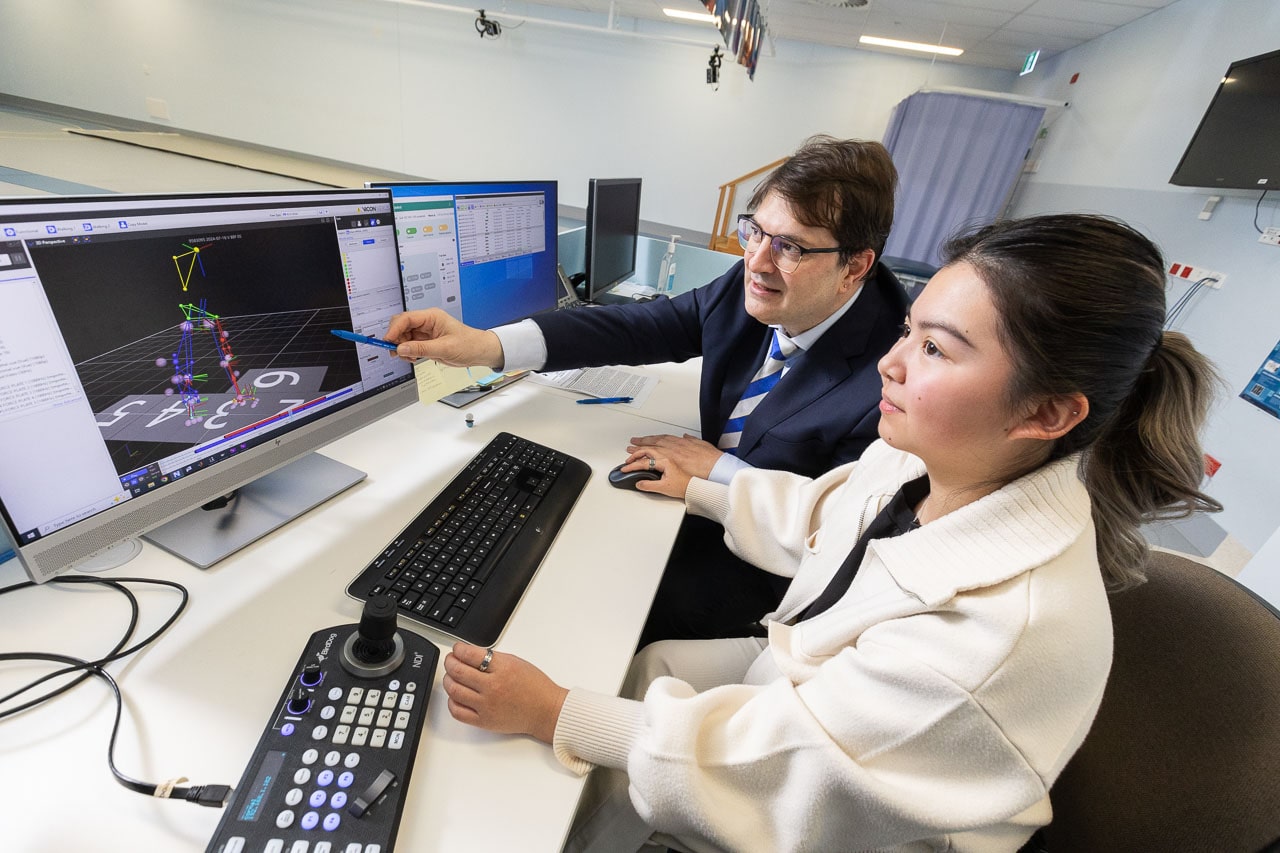
Since returning to Australia to take up the position of director of the Gait Laboratory in 2020, Associate Professor Rutz and his team now perform around 50 of these surgeries at the RCH each year. Even with a new patient almost every week, the joy he experiences when a patient sees an immediate improvement never fades.
“When they can walk, maybe for the first time, even a few steps, after a big procedure, that's very rewarding,” he says.
Associate Professor Rutz has also developed and introduced a new surgical technique to rectify foot drop, a disorder which makes it difficult to lift the front part of the foot, so it inevitably drags. His innovative technique, which involves shortening the tibialis anterior tendon (TATS), helps children with cerebral palsy lift and place their foot more smoothly, improving their ability to walk and even run.
‘A child's guide’ to hospital – Gait Lab
In this video, Jadyn has come for his appointment at the Royal Children’s Hospital Gait Lab. This video is part of a series produced by the Royal Children’s Hospital team called A child's guide.
Walking past the Gait Laboratory at the RCH, a window provides a glimpse of a young girl gripping parallel bars as she carefully moves her legs and feet. Only a few metres down the corridor are the offices where the research and medical teams that may determine her future quality of life are located.
Advancing a brighter future
In 2022, Associate Professor Rutz was appointed the inaugural Bob Dickens Chair for Paediatric Orthopaedic Surgery at the University of Melbourne, a position funded by the Pamela Galli and Bob Dickens Paediatric Orthopaedic Research Trust.
Since then, he’s been able to dedicate more of his time to researching new techniques and devices to improve outcomes for people living with cerebral palsy, including developing a prototype for an advanced 3D printed ankle brace that can be produced more quickly and at a cheaper cost. Even as the incidence of cerebral palsy in Australia has significantly fallen, Associate Professor Rutz’s desire to keep innovating and learning never will.
“I'm very blessed to have the opportunity, freedom, time and financial support to research and help people,” he says.
Read more about the transformative impact of The Lorenzo and Pamela Galli Medical Research Trust here:
Credit: Peter Casamento