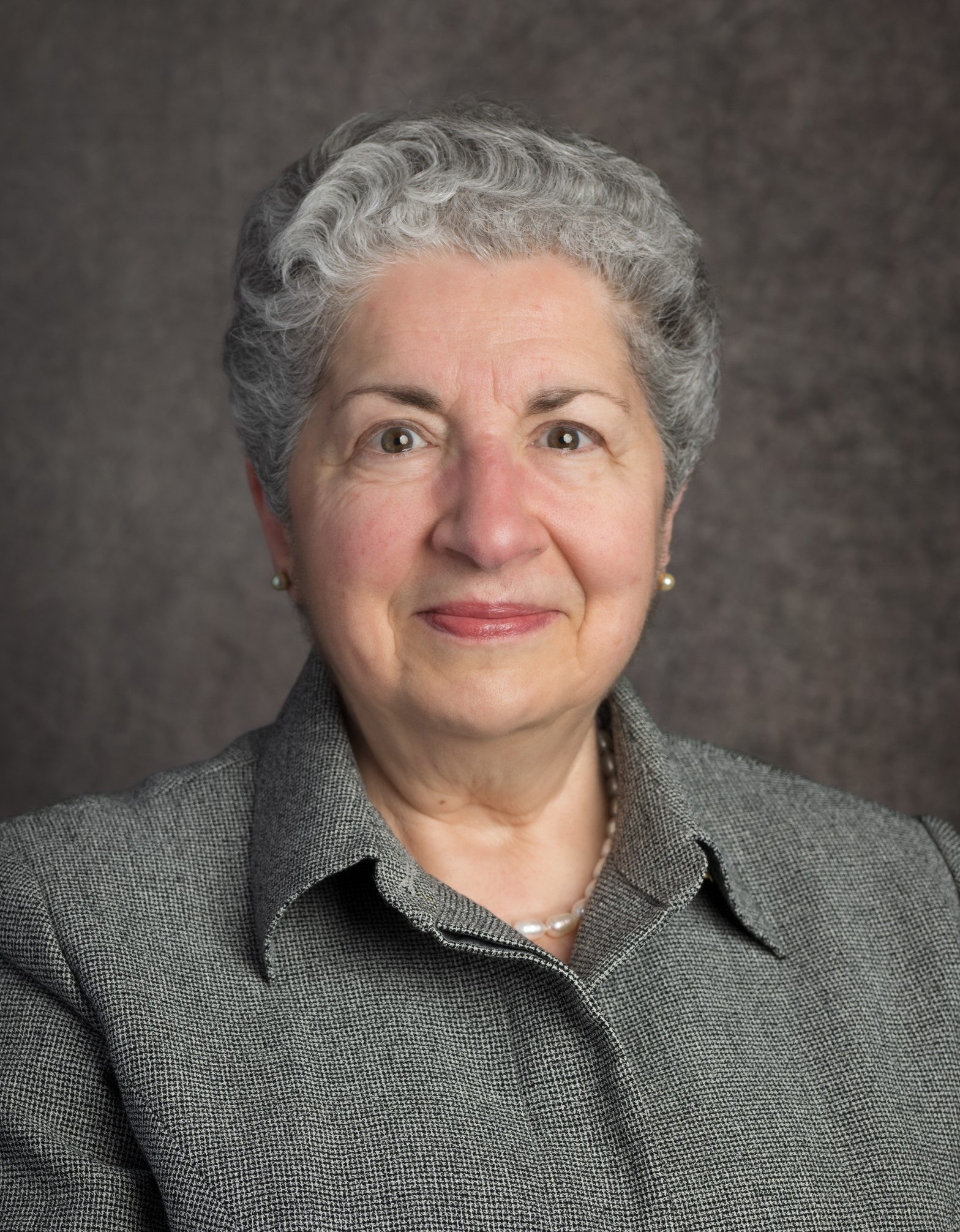
Lead: Professor Mary Galea Based at Royal Melbourne Hospital, The Motor Control and Rehabilitation research group, led by Professor Mary Galea, involves both basic and clinical research directed towards understanding sensorimotor impairment following nervous system injury, especially stroke, multiple sclerosis and spinal cord injury. We use this knowledge to design, evaluate, and implement rehabilitation technologies to improve recovery and provide ongoing management across the continuum of care. The program crosses traditional rehabilitation boundaries, and involves collaborations with engineers, medical practitioners, allied health and exercise professionals, basic scientists, consumers and industry partners.
Our researchers have been instrumental in the application of technology such as 3-D movement analysis to evaluate the effects on gait of botulinum toxin injections for spasticity, devices for upper limb rehabilitation after stroke, including a user-based design of a rehabilitation robot, non-invasive brain stimulation to assist in the control of pain and wearable sensors to assess functional deterioration in people with multiple sclerosis using non-linear measures of walking. Our program in spinal cord injury has included an evaluation of outcomes of nerve transfer surgery, an investigation of the morphology of peripheral nerves in people with spinal cord injury, and functional electrical stimulation. Recent advances in transcutaneous electrical spinal cord neuromodulation have led to a current early phase trial to investigate its efficacy and safety in conjunction with intensive physiotherapy in improving upper limb function in people with tetraplegia (TESCoN trial). |