Free online education modules for rural clinicians
The Facets of Rural Sexual Health online education modules are currently being updated and will be relaunched in late 2026.
The modules will be feature revised content, up-to-date references, and will be re-accredited with the Royal Australian College of General Practitioners (RACGP) and the Australian College of Rural and Remote Medicine (ACRRM) for Continuing Professional Development (CPD).
New certificates will be issued for each new module completed.
If you have previously registered for the modules, you'll receive communications from CERSH regarding the expected timeframes, and processes for accessing the new modules once they are released.
Register to be the first to know when they are relaunched.
Module topics
Explore the content covered in the modules. They are designed to be self-paced and completed in any order.
-
Rural general practice comes with its own set of considerations when it comes to sexual health care – and this module puts them front and centre. You'll examine how models of health care delivery differ in rural areas, and what that means for the way sexual health care is planned and provided. You'll explore the areas of care that need special consideration in a rural context, from service availability to patient confidence in seeking help. And you'll come away with practical ways to reduce the barriers your patients face in accessing care, helping you create a safer, more welcoming environment for anyone seeking sexual health support.
Whether you're new to rural practice or have worked regionally for years, this module offers a grounded, practical starting point for strengthening sexual health care in your community.
-
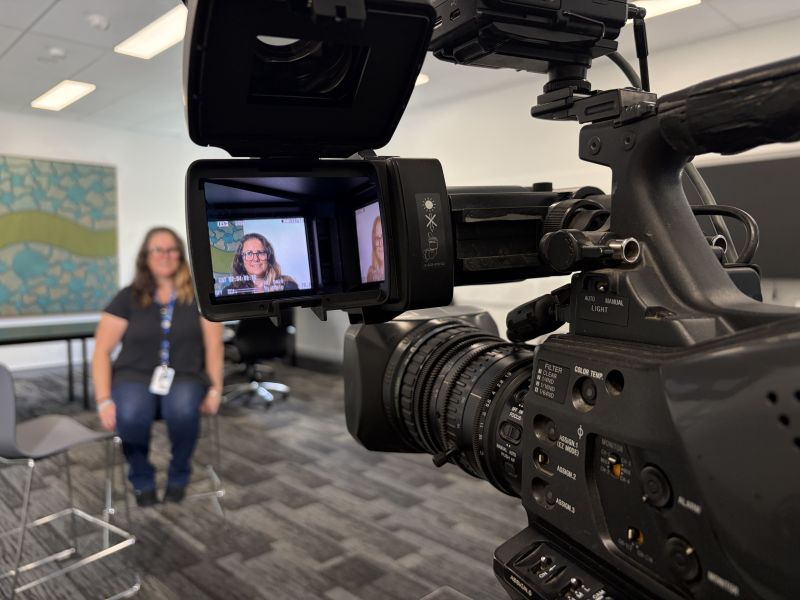
Good sexual health care starts with the conversation. This module builds your skills in conducting a sexual history that accurately identifies a patient's risk and care needs, with guidance from CERSH Clinical Lead A/Prof Siobhan Bourke and a set of good and bad practice examples to sharpen your technique. Video vignettes walk through real consultation scenarios – from abortion care and menopause to FGM/C and disclosures of sexual assault – showing what to ask and how to ask it. You'll also hear directly from rural GP Dr Wendy Connor and people with lived experience on the assumptions rural patients most often encounter, and how to avoid them.
You'll learn practical strategies to engage people of all sexualities and gender identities with confidence, and reduce the barriers rural patients face in accessing care.
-
Because STIs often present without symptoms, general practice is usually where diagnosis and care begins — making this essential knowledge for any GP, rural or otherwise. This module explores current STI epidemiology across Victoria and Australia, with links to government data so you can look up the statistics specific to your own region and see how they shape testing and prevention priorities in your own practice. From there, Dr Stella Heley — drawing on a distinguished career in sexual health medicine and clinical education — presents two lectures covering chlamydia, and gonorrhoea, MG and urethritis, exploring the biology, history and current thinking behind screening, treatment and public health policy for each. You'll build your awareness of current testing guidelines and strengthen your knowledge of recommended treatment and management plans in the Australian context.
-
Syphilis has earned the nickname "the great mimicker" for the sheer range of ways it can present – while herpes, though manageable, remains one of the most stigmatised STIs patients live with. This module builds your awareness of current testing guidelines for both, and strengthens your knowledge of recommended treatment and management plans in the Australian context. Two lectures from Dr Stella Heley – drawing on a distinguished career in sexual health medicine and clinical education – unpack the biology, history and current thinking behind screening, treatment and public health policy for each infection.
Round out your knowledge alongside CERSH's other STI modules on chlamydia and gonorrhoea, and take an excellent sexual history (Module 2) to manage these conditions with confidence and reduce stigma for your patients.
-
Three very different topics, three leading Australian experts – all with practical relevance to everyday general practice. Dr Max Braddick gives an overview of HIV, Professor Catriona Bradshaw covers the latest understanding of bacterial vaginosis including male partner treatment, and Dr Steve Muhi explores what advice to give patients heading overseas. Together, these 150 minutes of video build your awareness of current testing guidelines for HIV and bacterial vaginosis, strengthen your knowledge of recommended treatment and management plans, and equip you to support patients travelling overseas in maintaining good sexual health.
Wide-ranging and highly practical – from chronic condition management to the pre-travel consultation.
-
Partner notification can be a challenge for both patients and practitioners – and even more so in small communities, where overlapping relationships add extra layers of complexity. This module walks you through the basic concepts of contact tracing and its role in controlling STIs, with Professor Jane Tomnay guiding you through evidence-based approaches and real examples of how to do it well, for both individual patient outcomes and public health. You'll build strategies to keep patient safety front and centre throughout the process, and explore resources tailored to rural and small community settings.
Recommended alongside CERSH's STI modules (3, 4 and 5) and Module 2 on sexual history taking, this module helps you approach partner notification with confidence – reducing stigma and deepening trust with your patients.
Who are they for?
The modules have been designed and created by world-leading experts in sexual health for rural clinicians such as:
- General Practitioners (GP)
- Rural Generalists (RG)
- Nurse practitioners
- Nurses
- Social workers
- Youth workers
Despite the rural lens applied to the content, all modules are highly relevant regardless of your postcode.