Australia's first sexual and reproductive health mentoring program
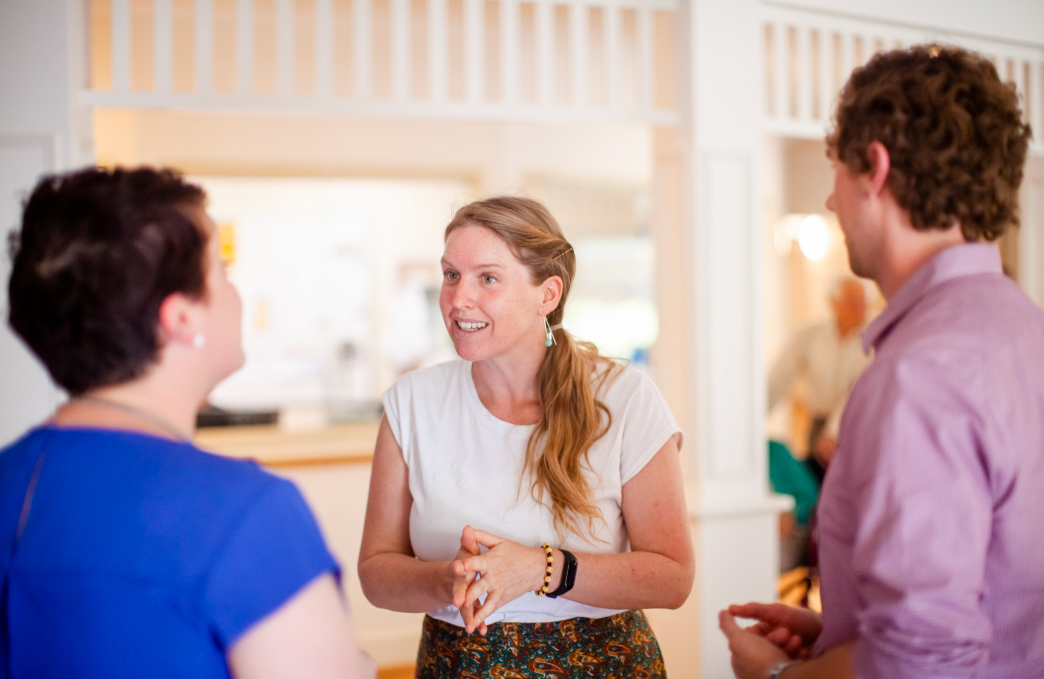
CERSH is building a pilot program to support the delivery of sexual and reproductive health (SRH) services rural communities. The program pairs an experienced General Practitioner (GP) or Rural Generalist (RG) with extended skills in SRH (mentor) with a GP or RG (mentee) who is looking to upskill and provide SRH services to their rural community, in a 1:1 mentor/mentee relationship.
Alongside ongoing engagement with their mentor, mentees will meet with subject matter experts across key areas of SRH practice, providing a holistic education pathway. Mentee practices will be supported to set up new services in a sustainable, lasting way.
Program overview
CERSH is building a pilot program to grow SRH service delivery in rural communities, backed by expertise from across the sector — not just goodwill and a manual. The program runs over a 12-month period, with three roles working together to make it happen.
Subject matter expert
The curriculum at the heart of this program isn't repurposed from elsewhere. It has been developed specifically for this mentoring program by world-leading experts in sexual and reproductive health, in collaboration with practising clinical professionals as CERSH's subject matter experts (SME). Together, they cover key SRH topics across the program, giving mentees a curriculum grounded in both leading research and real clinical practice.
Mentor
Mentors aren't there to deliver the curriculum - that's covered by the SMEs. Instead, mentors are the steady, local presence alongside the mentee's learning, helping them work through day-to-day practice challenges, talk through real patient scenarios, and apply what they're learning in a rural context. Where a mentor is based in or near the mentee's community, they also bring valuable local and cultural context that only someone on the ground can offer.
Mentee
Mentees engage with this content directly from CERSH's SMEs over the 12 months, building the clinical knowledge and confidence to deliver SRH services in their own rural practice. The mentee's workplace will also be supported by CERSH to implement a holistic and sustainable SRH service.
What mentees will learn
The 12-month program covers seven key SRH topics, purpose-built by world-leading experts in partnership with CERSH's clinical subject matter experts.
-
History taking is a foundational aspect of all medical services. The importance of this is compounded by the impact and consequences of poor sexual and reproductive health outcomes in rural areas. History taking is reliant on the patient building a therapeutic relationship with their practitioner. Enquiring in a curious, non-judgemental and culturally sensitive manner is pivotal for a practitioner to receive accurate and complete background from a patient.
-
Evidence shows that the is significant disparity between those who have contracted Hepatitis B or C, those who obtain a diagnosis and those who seek treatment. (World Health Organisation, 2024). Data obtained in 2022 determined than an estimated 3% of individuals with Hepatitis B, and 20% of individuals with Hepatitis C sought treatment for their condition. The variance in transmission and risk factors for both Hepatitis B and C differ.
-
Practitioners providing a diagnosis of BBV/STIs have an ethical responsibility to ensure all reasonable attempts are made for partner notification. Health professionals and pathology services are legally required to report to the Department of Health the diagnosis of: chlamydia, gonorrhoea, syphilis and HIV.
-
Adolescent health forms a complex part of SRH services. There is significant consideration required around clinical reasoning and determining the maturity of an adolescent and their capacity to make informed decisions around their sexual and reproductive health, with or without the input of a caregiver.
-
Early Medical Abortion (EMA) or Medical Termination of Pregnancy (MTOP) refers to ending a pregnancy up to 9 weeks (63 days) gestation. An MTOP involves the prescription of mifepristone and misoprostol in combination, often referred to as MS-2 Step.
-
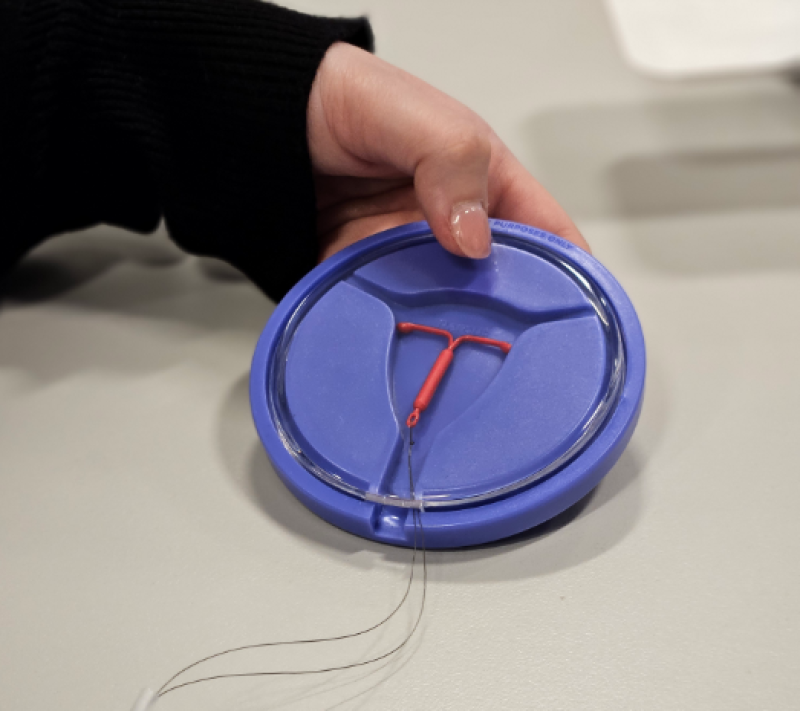
The choice of a long-acting reversible contraception method (implanon or intrauterine device) requires a patient to understand the benefits and limitations of their chosen contraceptive method. Comprehensive consideration of patient preference and lifestyle is required to ensure suitable recommendations are made. LARCs provide long term, reliable contraception that can be inserted and removed in a general practice clinic.
-
Menopause and perimenopause require holistic consideration from practitioners to support women experiencing hormonal changes. Menopausal hormone therapy (MHT) and/or hormone replacement therapy (HRT) can be prescribed to support impactful management of symptoms such as hot flushes and sleep disruptions. In addition to the physical symptoms of menopause, many women experience psychosocial symptoms that require consideration from their treating practitioners.
Who we're looking for
Mentor
- A vocationally-registered GP or RG (FRACGP or FACRRM) with extended skills in SRH
- Including certification for procedural skills such as IUD and Implanon insertion and removal
- Based in a rural or regional setting in Victoria
- Commitment of up to 20 hours of mentor support over 12 months (remunerated)
- Flexibility around delivery of mentoring support (in-person where practical, online, etc.)
- Committed to increasing SRH access for rural communities
- Some flexibility with availability occasional compensated travel may be required
- Comfortable providing practical feedback and supporting reflective practice
Mentee
- A vocationally-registered GP or RG (FRACGP or FACRRM)
- Based in the Loddon Mallee or Hume/Northeast regions
- Committed to improving access to sexual and reproductive healthcare in rural communities
- Working within a practice committed to the ongoing provision of SRH services
- Formally supported by their employer to participate in the program
- Time commitment of 4 hours per month over the duration of the program (9 months) with some additional time required based on prior learning
Benefits of being involved
Remunerated position
(Mentors)
Earn CPD hours
Accredited hours to contribute to your Continuing Professional Development (CPD) requirements
Learn from world-leading experts
Build skills across SRH to deliver care close to home for your community
Questions?
For more information about the Rural SRH Mentoring Program, contact Mikaela Ervin, Rural Services Development Coordinator on 0482 111 510 or email mikaela.ervin@unimelb.edu.au